Fusion Is Not the Only Answer for Cervical Disc Disease

For patients in Manhattan dealing with cervical disc disease, the idea of permanently fusing the neck has long been a barrier to pursuing surgical treatment. Artificial Cervical Disc Replacement changes that equation. By removing the damaged disc and replacing it with a carefully engineered implant that preserves natural motion, it addresses the structural source of pain without the flexibility trade-offs of fusion.  At Gerling Spine Care and Research Institute, motion-preserving surgery is a fundamental part of how we think about cervical spine care. Contact our Manhattan office today to find out whether Artificial Cervical Disc Replacement is right for you.

What Is Artificial Cervical Disc Replacement?

Artificial Cervical Disc Replacement, also known as cervical disc arthroplasty, removes a damaged or degenerated cervical disc and replaces it with a prosthetic implant engineered to replicate the natural movement of a healthy disc. Unlike fusion, which permanently joins two vertebrae and eliminates motion at the treated level, the artificial disc maintains flexibility and load distribution across the cervical spine.

The Case for Motion Preservation

When a cervical level is fused, the vertebrae above and below it absorb increased mechanical stress during everyday movement. Over time, this added load can accelerate degeneration at those adjacent levels, a phenomenon known as adjacent segment disease.  Disc replacement reduces this biomechanical burden by allowing the treated level to continue functioning naturally, potentially lowering the long-term risk of adjacent segment problems compared to fusion.

A Personalized Surgical Decision

Not every patient is a suitable candidate for disc replacement, and not every cervical condition calls for the same solution. At Gerling Spine Care and Research Institute, we evaluate each Manhattan patient individually, presenting disc replacement, fusion, and all other relevant options honestly so the final decision reflects both clinical evidence and the patient's own priorities.

We’re here to help you move forward.

Contact Us
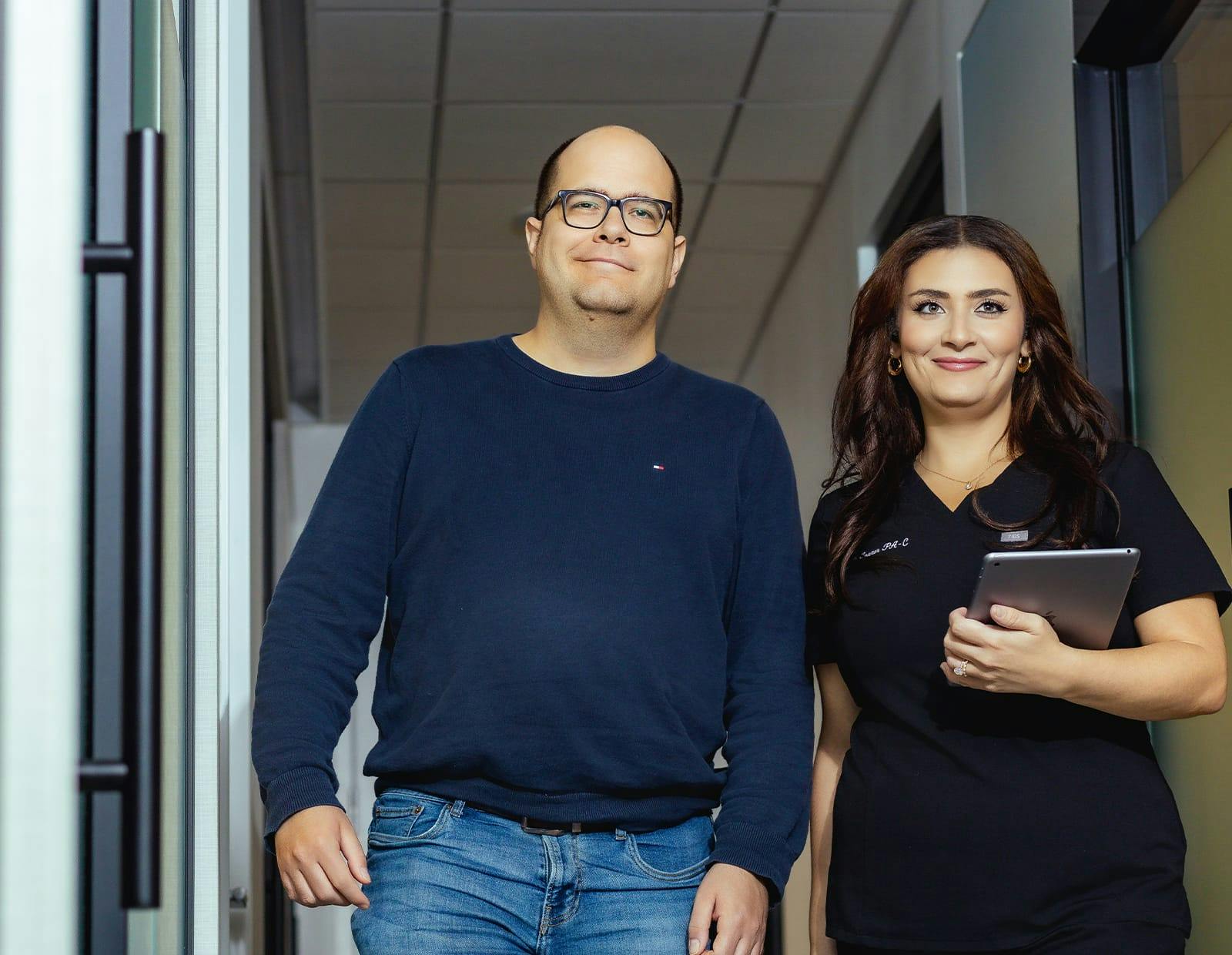
A medical professional walking in a hallway with a male patient

Conditions Treated With Artificial Cervical Disc Replacement

Cervical disc replacement is used when a damaged disc is compressing the spinal cord or a nerve root, producing symptoms that have not responded to conservative care. Appropriate conditions include:

  • Cervical disc herniation with radiculopathy (arm pain, numbness, or tingling)
  • Cervical myelopathy from single or two-level disc compression
  • Cervical degenerative disc disease with nerve involvement
  • Discogenic neck pain at one or two levels in appropriate candidates

Disc Replacement Versus Fusion: Choosing the Right Approach

Both procedures effectively treat cervical disc disease, but they serve different patient profiles. Understanding the distinction is central to making the right surgical decision. Our Manhattan team will review your imaging in detail and explain which approach best fits your specific situation.

Artificial Disc Replacement

Disc replacement is generally most appropriate for younger, active patients with one or two affected levels, preserved facet joint integrity, adequate bone quality, and no significant spinal instability. It offers a faster and less restrictive recovery than fusion and may reduce long-term adjacent segment risk.

Fusion (ACDF)

Fusion is the preferred choice when there is significant instability, advanced facet joint disease, complex multilevel pathology, or anatomy that makes disc replacement technically inappropriate. It carries a longer and more established evidence base.

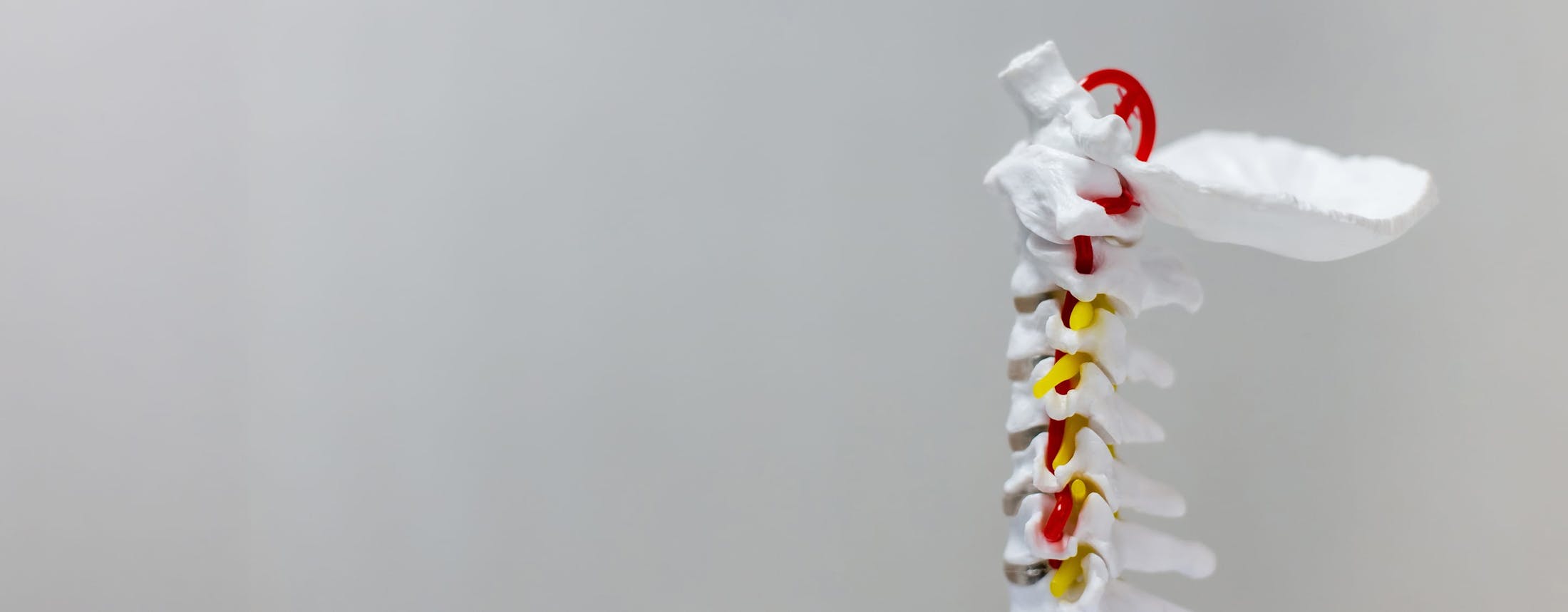
Background media

Are You a Candidate for Artificial Cervical Disc Replacement in Manhattan?

Good candidates are generally adults between 18 and 60 with one or two diseased cervical discs, preserved facet joint function, acceptable bone density, and symptoms that have not responded adequately to conservative care. Prior fusion at the affected level, significant facet joint degeneration, osteoporosis, active infection, and certain implant material sensitivities are among the factors that may make a patient a better candidate for fusion than disc replacement. A thorough consultation, including imaging review and full medical history, is the only reliable way to determine candidacy. Our Manhattan team will walk through the findings with you clearly and honestly.

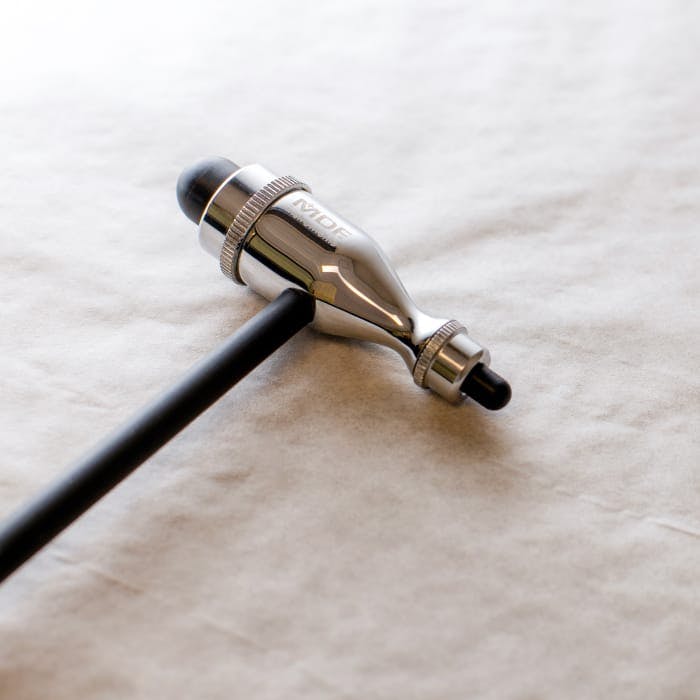
medical equipment

What to Expect From Artificial Cervical Disc Replacement in Manhattan

Our team is committed to keeping Manhattan patients fully informed and supported at every stage of their care.

Before Your Artificial Cervical Disc Replacement

Your consultation will include a detailed review of your symptoms, imaging, and prior treatments. Our surgeons explain the procedure thoroughly, present all alternatives, including fusion, and ensure every question is answered before any decision is made.

The Day of Your Surgery

The procedure is performed under general anesthesia through a small incision at the front of the neck. The damaged disc is removed, and the artificial implant is precisely positioned in the disc space. Most patients are discharged the same day or within 24 hours.

Recovering After Your Procedure

Recovery from cervical disc replacement is generally faster and less restrictive than fusion recovery. Most patients return to light activity within one week and resume normal routines within three to six weeks. Our team provides comprehensive post-operative guidance and monitors your progress closely.

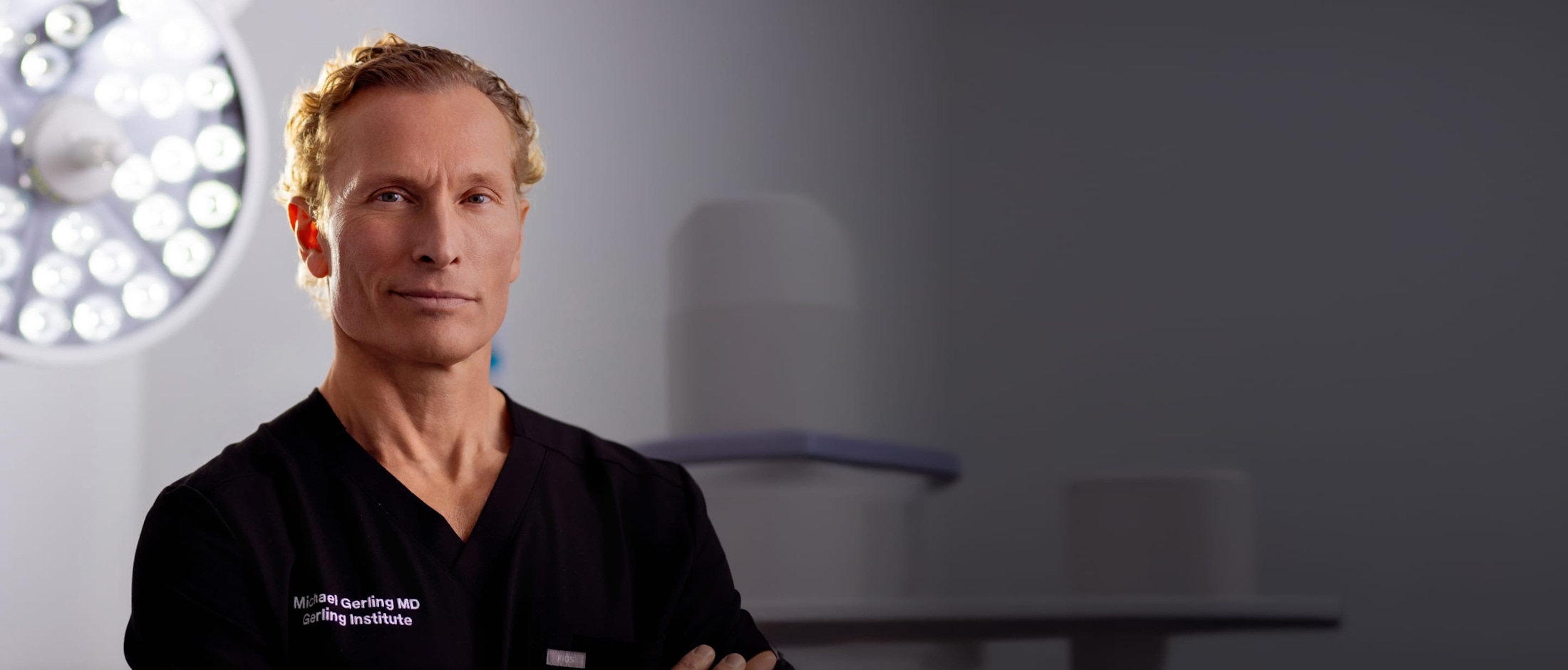
Doctor media

Why Choose Gerling Spine Care and Research Institute?

Motion-preserving cervical surgery requires not just technical skill but a genuine commitment to understanding when it is and is not appropriate. Our team's depth of clinical experience and research engagement means Manhattan patients receive an honest assessment of all options, not a default recommendation. With over 300 peer-reviewed publications and active involvement in the societies that shape cervical spine practice, our recommendations reflect the best available evidence.

Artificial Cervical Disc Replacement Frequently Asked Questions

How is disc replacement different from ACDF?

ACDF fuses two vertebrae permanently, eliminating motion at the treated level. Disc replacement preserves motion by substituting the damaged disc with a prosthetic implant. Both effectively treat cervical disc disease; the right choice depends on anatomy, the number of affected levels, and individual patient factors.

How long does an artificial disc implant last?

Artificial disc implants are engineered for long-term durability, and current multi-year follow-up data is encouraging. Because the procedure is newer than fusion, very long-term data continues to accumulate. Your surgeon will discuss realistic expectations during your consultation.

What if I am not a candidate for disc replacement?

Patients who are not suitable for disc replacement have other effective options, including ACDF, cervical laminoplasty, or other decompression approaches, depending on the nature of their condition. Our Manhattan team will present all viable alternatives and help you make a fully informed decision.

Can disc replacement be performed at more than one level?

Yes, in appropriate candidates. Two-level disc replacement is well supported in the literature. Replacement at three or more adjacent levels is generally not recommended. Your surgeon will assess your imaging to determine what is technically appropriate and clinically indicated.

Is the recovery from disc replacement painful?

Some neck soreness and stiffness in the days following surgery is normal. Most patients find recovery more comfortable and less restrictive than they anticipated, particularly compared to fusion. Pain is typically manageable with oral medication, and most patients are moving comfortably within the first week.

We're here to help you move forward.

Relief starts with quality orthopedic care. Contact us today to take the next step toward a more active, pain-free life.

Schedule Appointment (opens in a new tab)
Contact us media
Accessibility: If you are vision-impaired or have some other impairment covered by the Americans with Disabilities Act or a similar law, and you wish to discuss potential accommodations related to using this website, please contact our Accessibility Manager at 201-201-7246.
Contact Us