When the Spinal Canal Narrows, the Impact on Daily Life Widens

Spinal stenosis has a way of quietly eroding quality of life. The ability to walk a city block, stand in line, or climb a flight of stairs becomes progressively limited as the narrowed canal bears down on the nerves that make those activities possible. For Manhattan patients whose stenosis has stopped responding to conservative care, surgery offers a reliable path back to function. At Gerling Spine Care and Research Institute, we bring the full range of decompression options to bear on each case, guided by a precise understanding of what the imaging shows and what the patient needs. Contact our Manhattan office today to find out whether Spinal Stenosis Surgery is the right next step for you.

What Is Spinal Stenosis?

Spinal stenosis is the narrowing of the spinal canal or the foraminal openings through which nerve roots exit the spine. This narrowing places mechanical pressure on the spinal cord or nerve roots, producing the pain, cramping, numbness, and weakness that characterize the condition.

Lumbar Stenosis

Lumbar stenosis is the most common form and produces leg pain, cramping, and weakness that worsen with walking and standing and improve with sitting or bending forward. This symptom pattern, known as neurogenic claudication, is one of the hallmarks of the condition.

Cervical Stenosis

Cervical stenosis can produce arm symptoms, hand weakness, and balance problems. In more severe cases, it causes signs of spinal cord compression known as myelopathy, which can affect coordination and, in advanced cases, bladder function.

What Causes Spinal Stenosis?

The most frequent underlying causes include thickening of the ligamentum flavum, bone spur formation from facet joint arthritis, disc degeneration with loss of disc height, and spondylolisthesis. In some patients, a naturally narrow spinal canal from birth makes them more susceptible to symptomatic stenosis as degeneration develops with age.

We’re here to help you move forward.

Contact Us
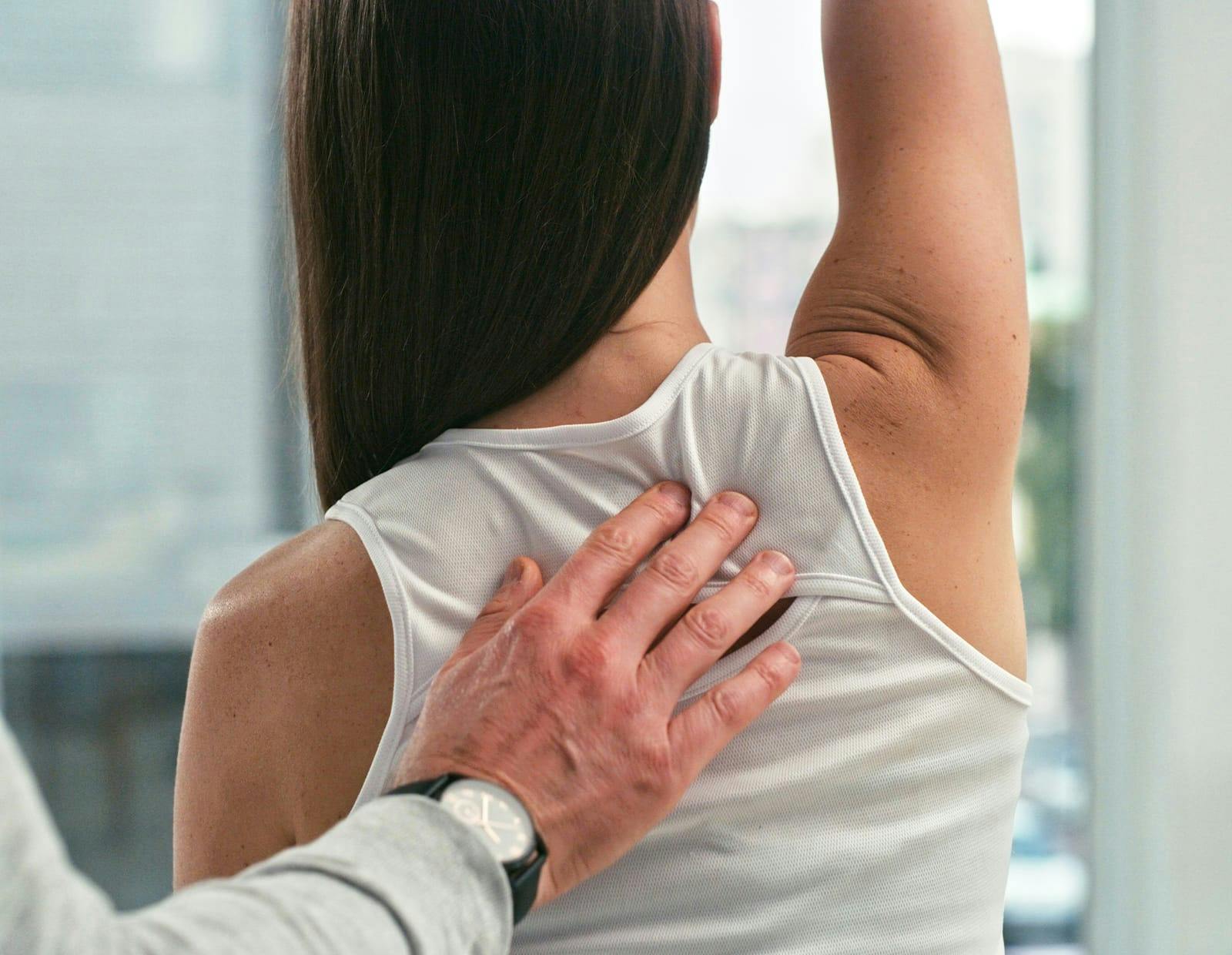
Healthcare provider examining a woman’s upper back and shoulder while her arm is raised

When Is Surgery Needed for Spinal Stenosis?

Surgery is not the first response to a diagnosis of spinal stenosis. Most patients are managed initially with physical therapy, anti-inflammatory medications, activity modification, and epidural steroid injections, which can provide meaningful, if sometimes temporary, relief. Surgical intervention is considered when conservative treatments have been adequately trialed and have not provided sufficient relief, when symptoms are significantly limiting daily function, or when neurological deficits such as progressive leg weakness or loss of bladder and bowel control are present. In cases of cervical myelopathy, where the spinal cord itself is under threat, surgery is often recommended earlier, given the risk of irreversible neurological deterioration with continued delay.


Surgical Options for Spinal Stenosis

The right surgical approach depends on the location and extent of the narrowing, the presence of instability or deformity, and the patient's overall anatomy and health. Our Manhattan team is experienced in all of the following procedures.

Laminectomy

Laminectomy removes part or all of the lamina to create more space in the spinal canal and relieve pressure on the spinal cord or nerve roots. It is the most commonly performed surgery for lumbar and cervical stenosis and has a long, well-documented record of effectiveness. Where anatomy allows, our surgeons perform a laminectomy using minimally invasive techniques for a significantly faster recovery.

Laminoplasty

Used primarily for cervical stenosis involving multiple levels, laminoplasty reshapes the lamina into an open position rather than removing it, expanding the spinal canal while preserving posterior bony structure and spinal stability. It is a motion-preserving alternative to multilevel laminectomy for appropriate cervical cases.

Foraminotomy

When stenosis is primarily caused by narrowing of the foraminal openings through which nerve roots exit the spine, foraminotomy widens those openings to relieve nerve root compression. It is often performed alongside a laminectomy and is well-suited to minimally invasive execution.

Spinal Fusion

When stenosis coexists with significant spinal instability or spondylolisthesis, decompression alone may not be sufficient to produce lasting relief. In these cases, fusion is added to stabilize the affected levels and prevent further slippage or painful motion from undermining the decompressive result.

Minimally Invasive and Endoscopic Approaches

Our surgical team favors minimally invasive and endoscopic techniques wherever anatomy permits, achieving the same decompressive goals through smaller incisions with less muscle disruption, reduced blood loss, and a meaningfully faster return to daily activity.

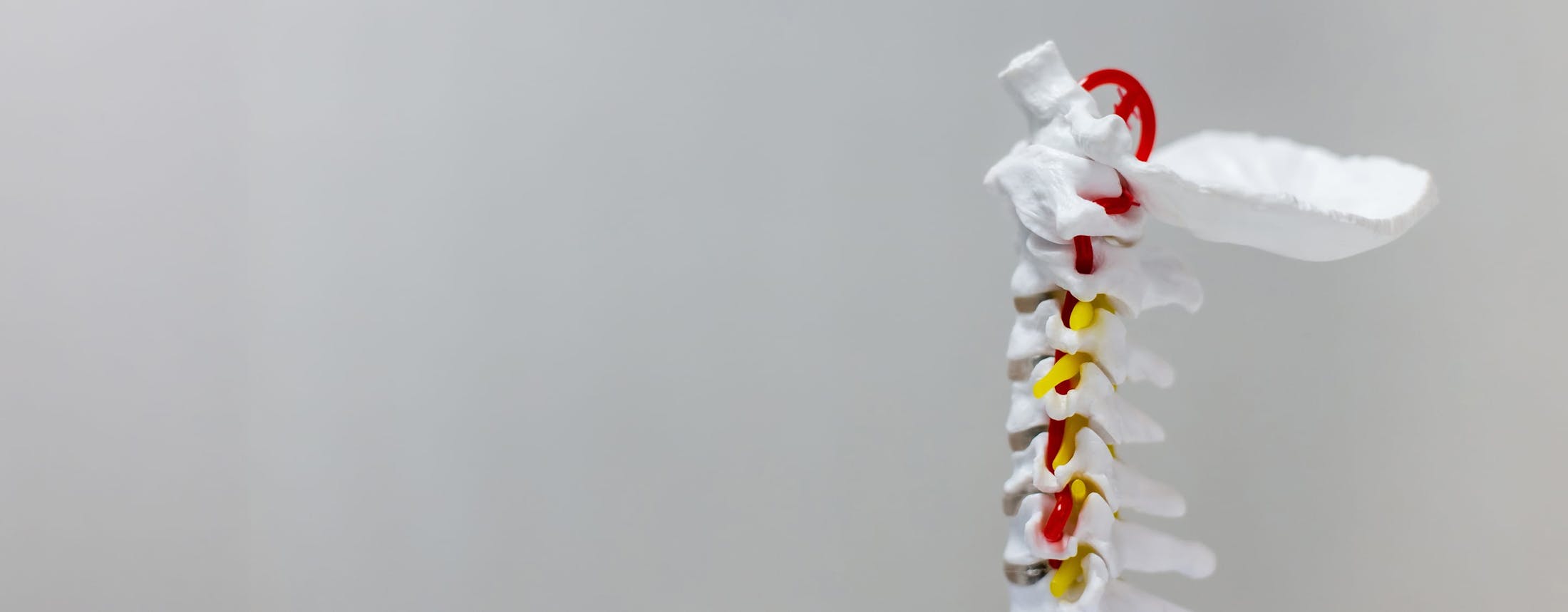
Background media

Are You a Candidate for Spinal Stenosis Surgery in Manhattan?

Good candidates for spinal stenosis surgery generally have imaging-confirmed narrowing that correlates clearly with their clinical symptoms, have not achieved adequate relief from conservative care, and have symptoms that are significantly limiting their daily function or that include progressive neurological deficits. Overall health, bone quality, degree of instability, number of affected levels, and prior surgical history all influence both the choice of procedure and the likelihood of a successful outcome. Factors, including poorly controlled diabetes or significant cardiovascular disease, affect surgical risk and will be carefully reviewed during consultation. Our Manhattan team conducts a thorough preoperative evaluation for every patient before making any surgical recommendations.

sitting area

What to Expect From Spinal Stenosis Surgery in Manhattan

Every patient's care plan is shaped by their specific condition and the procedure being performed, but the general framework of care at our Manhattan practice follows a consistent standard.

Before Your Spinal Stenosis Surgery

Your consultation will include a detailed review of your symptoms, imaging, and prior treatments. Our surgeons explain all appropriate surgical options, set honest expectations about what surgery can and cannot achieve, and answer every question before any decision is made.

The Day of Your Surgery

Procedure length and approach vary depending on the type and extent of surgery being performed. Minimally invasive decompression-only procedures may allow for same-day discharge. Cases involving fusion or multiple levels typically require a one-to-three-day hospital stay. Our emphasis on operating room efficiency and minimally invasive technique minimizes time under anesthesia and supports the smoothest possible transition to recovery.

Recovering After Your Procedure

Most patients are encouraged to walk within 24 hours of surgery. Return to light activities typically occurs within two to six weeks, depending on the procedure, with full recovery taking longer for more complex cases. Physical therapy is an important component of recovery, helping restore strength, walking function, and overall mobility. Our team provides a detailed post-operative plan and monitors your progress throughout.

Doctor media

Why Choose Gerling Spine Care and Research Institute?

Spinal stenosis surgery requires matching the right procedure to the right patient, and that matching process is where experience and clinical judgment matter most. Our Manhattan team brings decades of focused spinal surgery expertise, an active research program with more than 300 peer-reviewed publications across the institute, and leadership in NASS, CSRS, and LSRS. Every patient who comes to us with stenosis receives an evaluation that reflects both the depth of our experience and a genuine commitment to finding the most effective, least invasive solution available.

Spinal Stenosis Surgery Frequently Asked Questions

Can spinal stenosis come back after surgery?

Surgery addresses the specific area of narrowing treated but cannot prevent future degeneration at other levels. In some cases, scar tissue or continued degeneration at the treated site may cause symptoms to recur over time. Our team will discuss realistic long-term expectations during your consultation and recommend strategies to support long-term spinal health.

Is spinal stenosis surgery appropriate for older patients?

Age alone does not disqualify a patient from spinal stenosis surgery. Research supports meaningful outcomes in well-selected older patients, and for many, the functional gains from decompression surgery significantly improve quality of life. What matters most is overall health, cardiovascular fitness, and whether the expected benefits outweigh the individual's surgical risk profile.

How is the decision made between decompression alone and fusion?

Decompression removes the tissue causing nerve compression. Fusion is added when significant instability or spondylolisthesis is present alongside the narrowing. Performing decompression in the setting of instability without also stabilizing the spine can lead to progressive slippage and symptom recurrence, which is why the two are frequently combined when instability is a factor.

How long do the results of spinal stenosis surgery last?

Most patients experience lasting relief from the symptoms addressed by surgery. Long-term outcomes depend on the overall health of the spine, adherence to post-operative physical therapy, and whether degeneration continues at adjacent levels over time. Your surgeon will discuss what is realistic for your specific case and anatomy.

Will I need physical therapy after spinal stenosis surgery?

Yes. Physical therapy is a standard and important component of recovery from spinal stenosis surgery, regardless of the specific procedure performed. It supports healing, restores strength and mobility, and reduces the risk of recurrence by improving the muscular foundation around the decompressed spine.

We're here to help you move forward.

Relief starts with quality orthopedic care. Contact us today to take the next step toward a more active, pain-free life.

Schedule Appointment (opens in a new tab)
Contact us media
Accessibility: If you are vision-impaired or have some other impairment covered by the Americans with Disabilities Act or a similar law, and you wish to discuss potential accommodations related to using this website, please contact our Accessibility Manager at 201-201-7246.
Contact Us