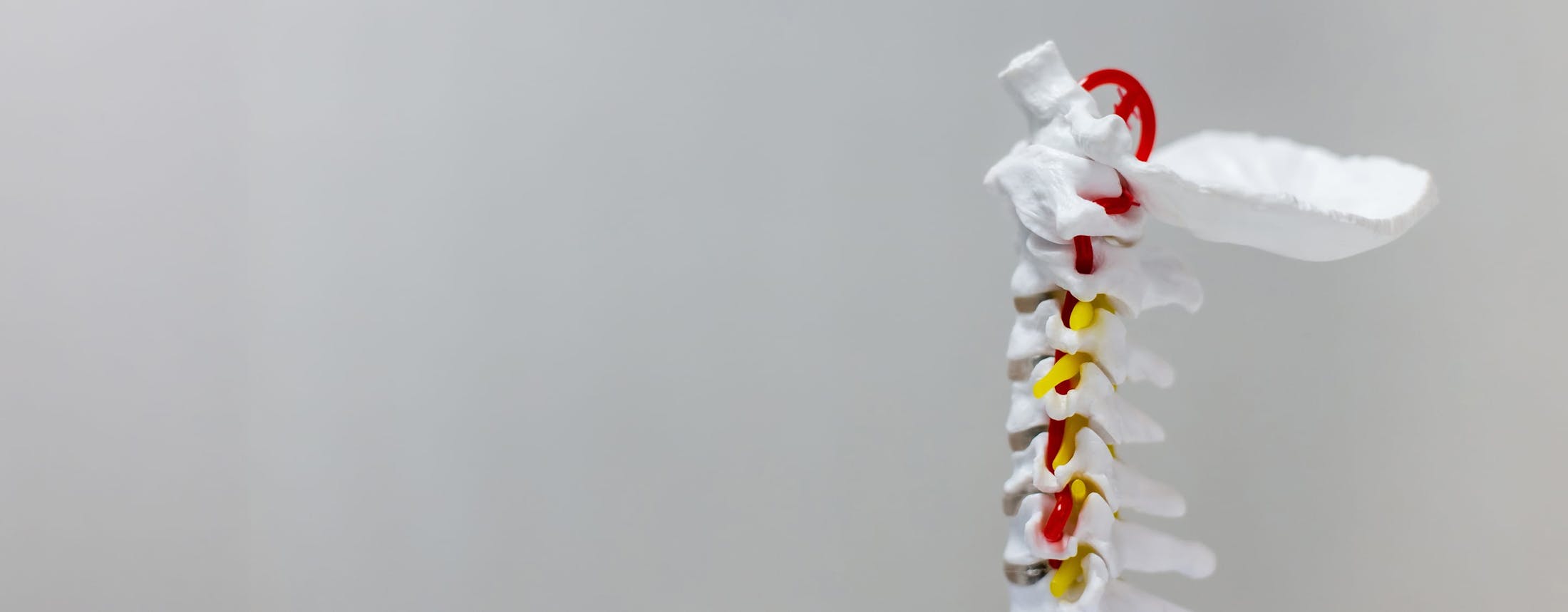
The Right Fusion Approach Makes a Measurable Difference in Recovery

For patients who need lumbar fusion, the surgical approach is not a minor detail. It determines how much tissue is disrupted, how much blood is lost, how long recovery takes, and how quickly a patient returns to normal life. Lateral Lumbar Interbody Fusion reaches the lumbar disc space through a small incision at the side of the waist, bypassing the back muscles entirely. For the right patient, it represents a genuinely superior option in terms of recovery burden and functional outcome.

At Gerling Spine Care and Research Institute, New Brunswick patients benefit from a team experienced across the full range of lumbar fusion techniques, with the clinical judgment to match each patient with the right one. Contact our New Brunswick office today to find out whether LLIF is the right approach for your condition.

What Is Lateral Lumbar Interbody Fusion?

Lateral Lumbar Interbody Fusion (LLIF) is a minimally invasive spinal fusion procedure that accesses the lumbar disc space through a small incision at the side of the waist rather than through the back or abdomen. The damaged disc is removed and replaced with a bone graft spacer that restores disc height, indirectly decompresses the nerve roots, and initiates the biological process of vertebral fusion.

How LLIF Works

The lateral approach reaches the disc space through a natural corridor between the abdominal organs and the back muscles, avoiding disruption to either. A nerve monitoring probe guides the approach to protect neural structures in the region. Once the disc is removed, a precisely sized interbody spacer filled with bone graft is placed in the disc space. Supplemental posterior fixation with screws and rods is added when additional stability is needed, determined by the degree of instability present and the specific levels being treated.

Why the Lateral Approach Stands Apart

Compared to traditional posterior fusion, LLIF preserves the back muscles entirely, producing less post-operative pain, reduced blood loss, shorter operative time, and a meaningfully faster recovery. Compared to anterior approaches, it avoids the risks associated with major abdominal vessels. For appropriate candidates, it combines the effectiveness of fusion with the physical footprint of a minimally invasive procedure.

We’re here to help you move forward.

Contact Us
patient handing over paperwork

Conditions Treated With Lateral Lumbar Interbody Fusion

LLIF is used for a range of degenerative and deformity-related lumbar conditions, including:

  • Lumbar degenerative disc disease
  • Lumbar spinal stenosis with foraminal or central narrowing
  • Spondylolisthesis with associated instability
  • Degenerative lumbar scoliosis and spinal deformity
  • Adjacent segment degeneration following prior lumbar surgery
  • Lumbar instability causing chronic back and leg pain

Conservative treatments, including physical therapy, medications, and injections, are typically explored before LLIF is recommended.

Are You a Candidate for Lateral Lumbar Interbody Fusion in New Brunswick?

LLIF is most effective for lumbar levels accessible from the side of the body, generally L2 through L4. The anatomy at L5-S1 makes the lateral approach technically not feasible at that level, and patients with significant pathology there may require an alternative or combined surgical approach. Good candidates are in acceptable overall health, have imaging-confirmed lumbar pathology correlating with their symptoms, and have not achieved adequate relief from conservative care. Patients with prior abdominal or retroperitoneal surgery, severe osteoporosis, or certain anatomical variations may not be suitable for the lateral approach. Our New Brunswick team will conduct a thorough evaluation, including detailed imaging review and full medical history, before recommending LLIF or any alternative.

Banner media

What to Expect From Lateral Lumbar Interbody Fusion in New Brunswick

From your first consultation through your full recovery, our team provides individualized support and guidance at every stage.

Before Your Lateral Lumbar Interbody Fusion

Your consultation will include a detailed review of your symptoms, imaging, and prior treatments. Our surgeons walk through the procedure clearly, discuss all available alternatives, and take the time to ensure every question is answered before any decision is made.

The Day of Your Surgery

The procedure is performed under general anesthesia and typically takes between one and a half to three hours, depending on the number of levels being treated. The incision is made at the side of the waist, and the approach is designed to minimize disruption to surrounding tissue. Most patients are discharged within one to two days.

Recovering After Your Procedure

Recovery from LLIF is generally faster than from traditional open lumbar fusion. Most patients return to light daily activities within two to four weeks, with a more complete return to normal routines over the following weeks. Physical therapy plays an important role in rebuilding core strength and lumbar stability. Our team provides a comprehensive post-operative plan and monitors progress closely throughout the healing process.

Doctor media

Why Choose Gerling Spine Care and Research Institute?

For New Brunswick patients who need lumbar fusion, having access to a team that is genuinely experienced across all fusion approaches and committed to selecting the right one for each individual makes a real difference in outcomes. 

Our institute's research program, with more than 300 peer-reviewed publications and active leadership in NASS, CSRS, and LSRS, ensures that every recommendation reflects the current standard of evidence rather than habit or convenience.

Lateral Lumbar Interbody Fusion Frequently Asked Questions

What does interbody fusion mean?

Interbody fusion refers to the removal of a degenerated disc and the placement of a bone graft spacer in the disc space between two vertebrae. Over time the vertebrae fuse around the graft, creating a solid, stable connection that eliminates painful motion at that level.

Is LLIF the same as XLIF or DLIF?

Yes. XLIF and DLIF describe the same fundamental technique as LLIF under different trade names. The surgical approach and clinical goals are essentially identical across all three terms.

How is LLIF different from posterior lumbar fusion?

Posterior lumbar fusion approaches the spine from the back and requires retraction of the back muscles. LLIF approaches from the side, leaving those muscles entirely undisturbed, which typically results in less post-operative pain and a faster recovery for appropriate candidates.

Will I need screws and rods in addition to the interbody spacer?

It depends on the degree of instability present. Some patients require only the interbody spacer for sufficient stability, while others need supplemental posterior fixation with screws and rods. Your surgeon will determine the appropriate construct based on your imaging and anatomy.

How long before fusion is confirmed?

Bone fusion is a biological process that unfolds over months. Most patients feel meaningful improvement well before fusion is complete. Solid fusion, as confirmed by imaging, typically takes six to twelve months, depending on the individual and the number of levels treated.

We're here to help you move forward.

Relief starts with quality orthopedic care. Contact us today to take the next step toward a more active, pain-free life.

Schedule Appointment (opens in a new tab)
Contact us media
Accessibility: If you are vision-impaired or have some other impairment covered by the Americans with Disabilities Act or a similar law, and you wish to discuss potential accommodations related to using this website, please contact our Accessibility Manager at 201-201-7246.
Contact Us