Nerve Compression Has a Structural Solution

When the spinal canal narrows enough to compress the spinal cord or nerve roots, the resulting pain, numbness, and weakness can become progressively limiting. Laminectomy addresses the problem at its structural source, removing the bony tissue responsible for the compression and restoring the space the nervous system needs to function. 

At Gerling Spine Care and Research Institute, laminectomy is performed with the minimally invasive precision and operating room efficiency that define our approach to every spinal procedure, giving Staten Island patients access to a high standard of surgical care close to home. Contact our Staten Island office today to find out whether a laminectomy is the right solution for your condition.

What Is a Laminectomy?

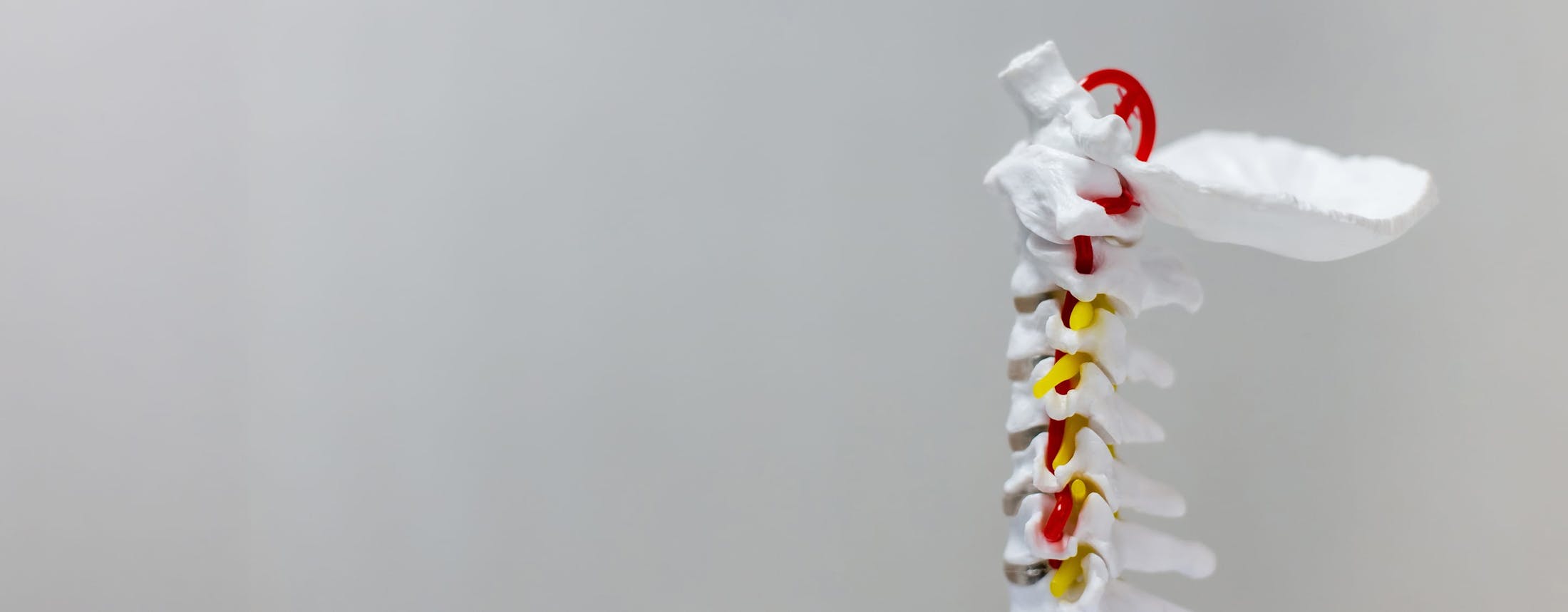
Laminectomy is a surgical procedure that removes part or all of the lamina, the bony arch at the rear of a vertebra that forms the back wall of the spinal canal. By removing this structure, the surgeon creates more space within the canal, relieving pressure on the spinal cord or nerve roots and reducing the pain, numbness, and weakness that compression causes.

Laminectomy Versus Laminotomy

A laminotomy removes only a small portion of the lamina rather than all of it, providing more targeted decompression while preserving more of the posterior bony architecture. Laminotomy is appropriate when compression is focal and limited in extent. Laminectomy provides broader decompression and is better suited for more significant or multilevel compression. Your surgeon will determine which approach is most appropriate based on the nature and extent of your specific condition.

The Minimally Invasive Difference

At Gerling Spine Care and Research Institute, a laminectomy is performed using minimally invasive and endoscopic techniques wherever anatomy and patient condition allow. Compared to traditional open laminectomy, these approaches use smaller incisions, cause significantly less disruption to the surrounding musculature, result in reduced blood loss, and produce a meaningfully faster recovery. For Staten Island patients managing active personal and professional lives, that reduction in recovery time is a meaningful practical benefit.

We’re here to help you move forward.

Contact Us
Dr. Gerling examining a patient's lower back

Conditions Treated With Laminectomy

Laminectomy is used to treat conditions in which spinal nerve compression is producing significant symptoms that have not responded to conservative care. These include:

  • Lumbar or cervical spinal stenosis causing nerve compression
  • Herniated or bulging discs pressing on the spinal cord or nerve roots
  • Bone spurs from degenerative facet joint disease
  • Cervical or lumbar myelopathy from spinal cord compression
  • Spondylolisthesis with associated canal narrowing
  • Spinal tumors or abscesses requiring decompression
  • Degenerative spondylosis with significant neurological involvement

Surgery is typically recommended after conservative treatments have not provided adequate relief and when imaging confirms nerve compression closely corresponding to the patient's clinical symptoms.

Are You a Candidate for a Laminectomy in Staten Island?

Candidates for laminectomy generally have imaging-confirmed spinal canal narrowing or nerve compression, symptoms including pain, weakness, or numbness that significantly affect daily function, and have not achieved adequate relief from conservative care such as physical therapy, medications, or injections. When significant spinal instability or spondylolisthesis accompanies the compression, a laminectomy may be performed alongside spinal fusion to address both the nerve compression and the underlying structural instability simultaneously. 

Patients with instability who undergo decompression alone risk progressive slippage and symptom recurrence, and this will be carefully evaluated and discussed during your consultation. Our Staten Island team will conduct a thorough evaluation, including imaging review and full medical history, before making any surgical recommendation.

Banner media

What to Expect From Your Laminectomy in Staten Island

Every patient's care plan reflects the specific procedure being performed and their individual health and recovery goals.

Before Your Laminectomy

Your consultation will include a detailed review of your symptoms, imaging, and prior treatment history. Our surgeons explain all appropriate surgical options clearly, walk through the risks and expected benefits honestly, and ensure every patient feels fully informed and prepared before any decision is made.

The Day of Your Surgery

Laminectomy is performed under general anesthesia. Procedure length varies depending on the number of levels treated and whether fusion is performed alongside decompression. Minimally invasive single-level procedures may allow for same-day discharge, while more extensive cases typically involve a one-to-three-day hospital stay. Our operating room efficiency and minimally invasive approach minimize time under anesthesia and support the smoothest possible start to recovery.

Recovering After Your Procedure

Most patients are encouraged to begin walking within 24 hours of surgery. Return to light activities typically occurs within four to six weeks, with more physically demanding work or activity requiring up to twelve weeks or longer, depending on the extent of the procedure. Physical therapy is a central part of recovery, rebuilding the muscular support around the decompressed spine and restoring strength and function. Our team provides a detailed post-operative plan and monitors progress closely throughout.

Doctor media

Why Choose Gerling Spine Care and Research Institute?

Staten Island patients undergoing a laminectomy benefit from a surgical team that has spent decades refining minimally invasive decompression techniques and studying its outcomes in the peer-reviewed literature. 

With more than 300 publications across the institute and hands-on experience in endoscopic and minimally invasive approaches, our team brings a level of technical depth to this procedure that translates directly into better recoveries and more durable results, now available directly on Staten Island.

Laminectomy Frequently Asked Questions

How is a laminectomy different from a laminoplasty?

A laminectomy removes part or all of the lamina to decompress the spinal canal, whereas laminoplasty reshapes and hinges the lamina open without removing it. This expands the spinal canal while preserving the posterior bony structure. Laminoplasty is typically used for multilevel cervical stenosis when maintaining spinal stability is especially important.

Will I need spinal fusion alongside my laminectomy?

Not always. Fusion is added when there is significant spinal instability or spondylolisthesis in addition to nerve compression. In many cases, decompression alone is sufficient to relieve symptoms. Your surgeon will determine whether fusion is necessary based on your imaging and overall condition.

What is the success rate of a laminectomy?

Laminectomy has a strong and well-established track record, with most appropriately selected patients experiencing meaningful improvement in their symptoms. Outcomes are best when imaging findings align closely with clinical symptoms and when the procedure is performed by an experienced surgical team.

Can spinal stenosis return after a laminectomy?

A laminectomy treats the specific area of compression but does not prevent future degeneration at other spinal levels. In some cases, scar tissue or ongoing degenerative changes at the treated site may also contribute to recurrent symptoms over time. Long-term spinal health strategies are typically discussed during follow-up care.

Is a laminectomy appropriate for older patients?

Yes. Age alone does not exclude patients from laminectomy. Studies show that well-selected older patients often experience meaningful functional improvement, particularly in walking ability and independence. Overall health status and surgical risk are more important factors than age alone when determining candidacy.

We're here to help you move forward.

Relief starts with quality orthopedic care. Contact us today to take the next step toward a more active, pain-free life.

Schedule Appointment (opens in a new tab)
Contact us media
Accessibility: If you are vision-impaired or have some other impairment covered by the Americans with Disabilities Act or a similar law, and you wish to discuss potential accommodations related to using this website, please contact our Accessibility Manager at 201-201-7246.
Contact Us