Precise Disc Herniation Relief, Right Here on Staten Island

A herniated lumbar disc pressing on a nerve root can produce some of the most disabling pain in spine medicine: sharp, radiating leg pain, numbness, and weakness that can make even basic daily activities genuinely difficult. Minimally Invasive Lumbar Discectomy removes the herniated fragment causing the compression through a small incision and a muscle-sparing approach that leaves the surrounding musculature largely intact. 

At Gerling Spine Care and Research Institute, Staten Island patients receive this procedure from a surgical team that has spent decades refining minimally invasive discectomy technique and publishing on its outcomes, now available close to home. Contact our Staten Island office today to find out whether Minimally Invasive Lumbar Discectomy is right for you.

What Is Minimally Invasive Lumbar Discectomy?

Minimally Invasive Lumbar Discectomy removes the portion of a herniated lumbar disc pressing on a nerve root or the spinal cord through a small incision and a muscle-sparing approach that leaves the surrounding musculature largely undisturbed.

How the Procedure Works

A small incision is made in the lower back over the affected spinal level. Progressively sized dilators gently create a working channel through the back muscles without cutting them. A tubular retractor holds the channel open while the surgeon works through it using a microscope or endoscope for magnified visualization. 

The herniated disc fragment is precisely identified and removed, decompressing the nerve. The retractor is then removed, allowing the muscles to return to their natural position, and the small incision is closed.

The Advantage Over Open Discectomy

Traditional open discectomy requires a larger incision and significant retraction of the back muscles, driving post-operative pain and extending recovery. The minimally invasive technique preserves the muscular architecture of the lower back, resulting in less post-operative pain, reduced blood loss, lower infection risk, and a considerably faster return to normal activity. 

For Staten Island patients managing demanding personal and professional lives, that difference in recovery time carries real practical significance.

We’re here to help you move forward.

Contact Us
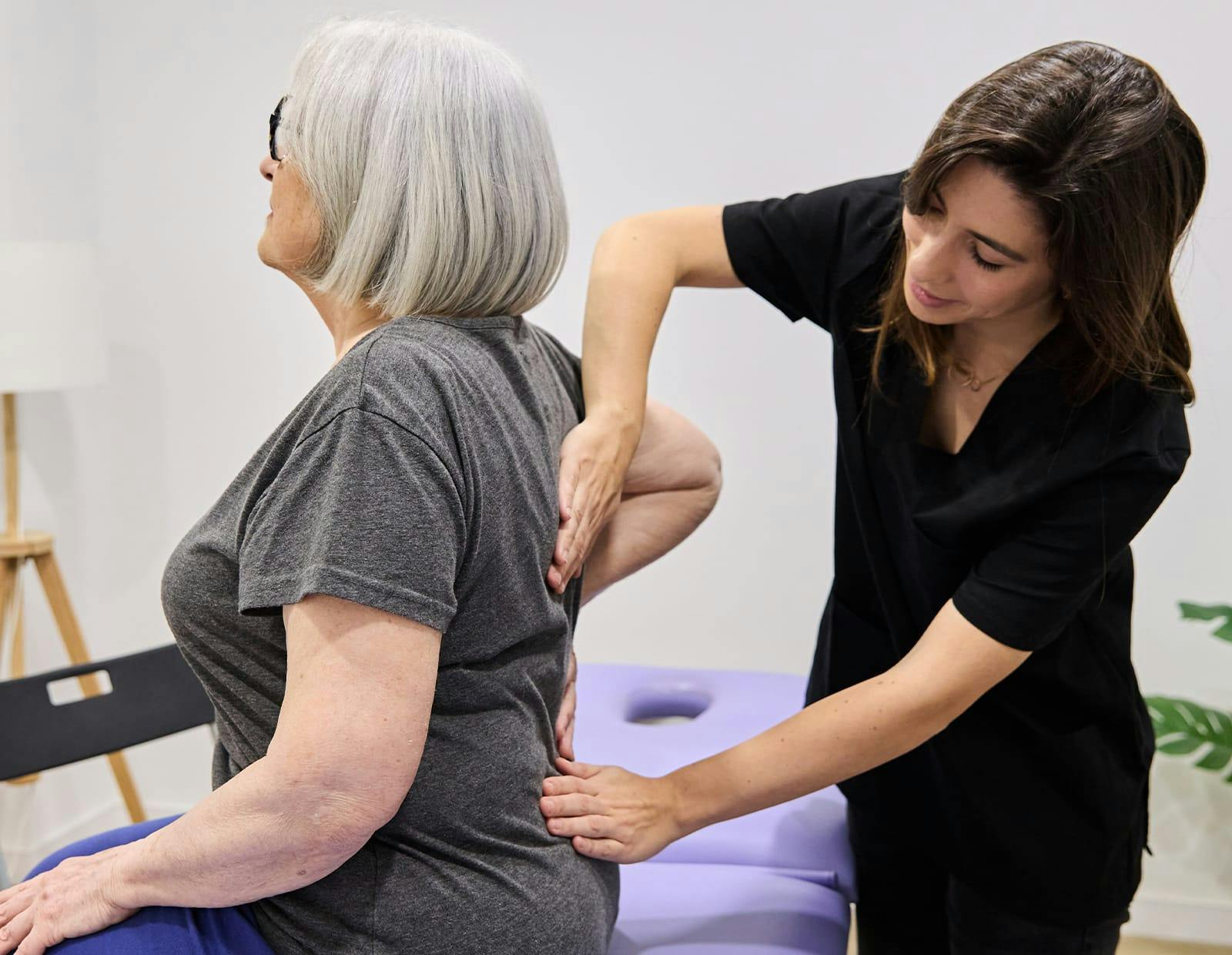
Physical therapist applying pressure to patient’s lower back during evaluation

Conditions Treated With Minimally Invasive Lumbar Discectomy

Minimally Invasive Lumbar Discectomy is used to treat nerve compression in the lower back caused by disc herniation. Appropriate indications include:

  • Lumbar disc herniation causing radiculopathy or sciatica
  • Herniated disc producing significant leg pain, numbness, or weakness
  • Lumbar disc herniation with progressive neurological deficit
  • Cauda equina syndrome from severe disc herniation requiring urgent decompression
  • Recurrent lumbar disc herniation at a previously treated level

It is typically recommended after conservative treatments, including physical therapy, anti-inflammatory medications, and epidural steroid injections, have not provided adequate relief over six to twelve weeks, or sooner when neurological symptoms are significant or worsening.

Are You a Candidate for Minimally Invasive Lumbar Discectomy in Staten Island?

Good candidates have a confirmed lumbar disc herniation on imaging that corresponds clearly with their clinical symptoms, have undergone a reasonable trial of conservative care without adequate relief, and do not have significant spinal instability or advanced multilevel degeneration requiring a more complex procedure.

Patients with progressive neurological deficits, including worsening leg weakness or any change in bladder or bowel function, may be candidates for more prompt surgical evaluation regardless of the duration of conservative treatment.

Our Staten Island team will conduct a thorough evaluation before making any surgical recommendation, reviewing imaging in detail and ensuring that what is seen on the scan closely matches what the patient is experiencing clinically.

Banner media

What to Expect From Minimally Invasive Lumbar Discectomy in Staten Island

From consultation through recovery, our team provides individualized guidance and support at every stage of care.

Before Your Minimally Invasive Lumbar Discectomy

Your consultation will include a detailed review of your symptoms, imaging, and prior treatments. Our surgeons take the time to confirm the clinical and imaging correlation, explain the procedure clearly, and walk through all available alternatives before any surgical decision is made.

The Day of Your Surgery

The procedure is performed under general anesthesia and typically takes one to two hours. Most Staten Island patients are discharged the same day or within 24 hours. Our commitment to operating room efficiency means less time under anesthesia and a smoother transition to the recovery phase.

Recovering After Your Procedure

Many patients notice significant improvement in leg pain within the first few days of surgery, often describing relief from their most disabling symptoms almost immediately. Return to light activities typically occurs within one to two weeks, with most patients resuming normal routines within four to six weeks. Patients with physically demanding roles may require longer before returning to full duty. Physical therapy supports full recovery by rebuilding core strength and lumbar stability. Our team provides a detailed post-operative plan and monitors progress closely throughout.

Doctor media

Why Choose Gerling Spine Care and Research Institute?

Lumbar disc herniation and the nerve compression it causes is one of the conditions our institute has studied and treated most extensively. 

Our lead surgeon has been at the forefront of minimally invasive discectomy technique for decades, with peer-reviewed publications and national society contributions reflecting a career spent advancing the standard of care for exactly this patient population. For Staten Island patients, that depth of focused expertise is now available close to home.

Minimally Invasive Lumbar Discectomy Frequently Asked Questions

How is minimally invasive discectomy different from microdiscectomy?

The two terms are often used interchangeably and frequently describe the same procedure. Microdiscectomy specifically refers to the use of a surgical microscope for magnification during disc removal, while minimally invasive discectomy broadly refers to the use of small incisions and tubular retractors to minimize muscle disruption. In many modern cases, both techniques are combined to achieve a precise and tissue-sparing result.

Will the disc herniate again after surgery?

Recurrence is possible in approximately 5–15% of cases. Maintaining a healthy weight, strengthening core muscles through physical therapy, and practicing proper body mechanics can significantly reduce the risk. Your care team will review recurrence prevention strategies as part of your recovery plan.

Is the entire disc removed during discectomy?

No. Only the herniated portion of the disc that is compressing the nerve is removed. The remainder of the disc is left intact. Removing the entire disc is not necessary for most herniation cases and would typically only be considered in more complex procedures such as disc replacement or fusion.

How soon can I return to work after a minimally invasive lumbar discectomy?

Patients with desk jobs often return to work within one to two weeks. Patients with more physically demanding occupations may require four to six weeks or longer. Return-to-work timing depends on the nature of your job and your individual healing progress, which your surgeon will monitor and guide.

What if the procedure does not relieve my pain?

If a discectomy does not provide the expected relief, further evaluation is performed to identify other contributing causes of symptoms. This may include additional imaging or diagnostic workup, and in some cases, consideration of further treatment such as fusion. Ongoing follow-up ensures that persistent symptoms are addressed appropriately.

We're here to help you move forward.

Relief starts with quality orthopedic care. Contact us today to take the next step toward a more active, pain-free life.

Schedule Appointment (opens in a new tab)
Contact us media
Accessibility: If you are vision-impaired or have some other impairment covered by the Americans with Disabilities Act or a similar law, and you wish to discuss potential accommodations related to using this website, please contact our Accessibility Manager at 201-201-7246.
Contact Us