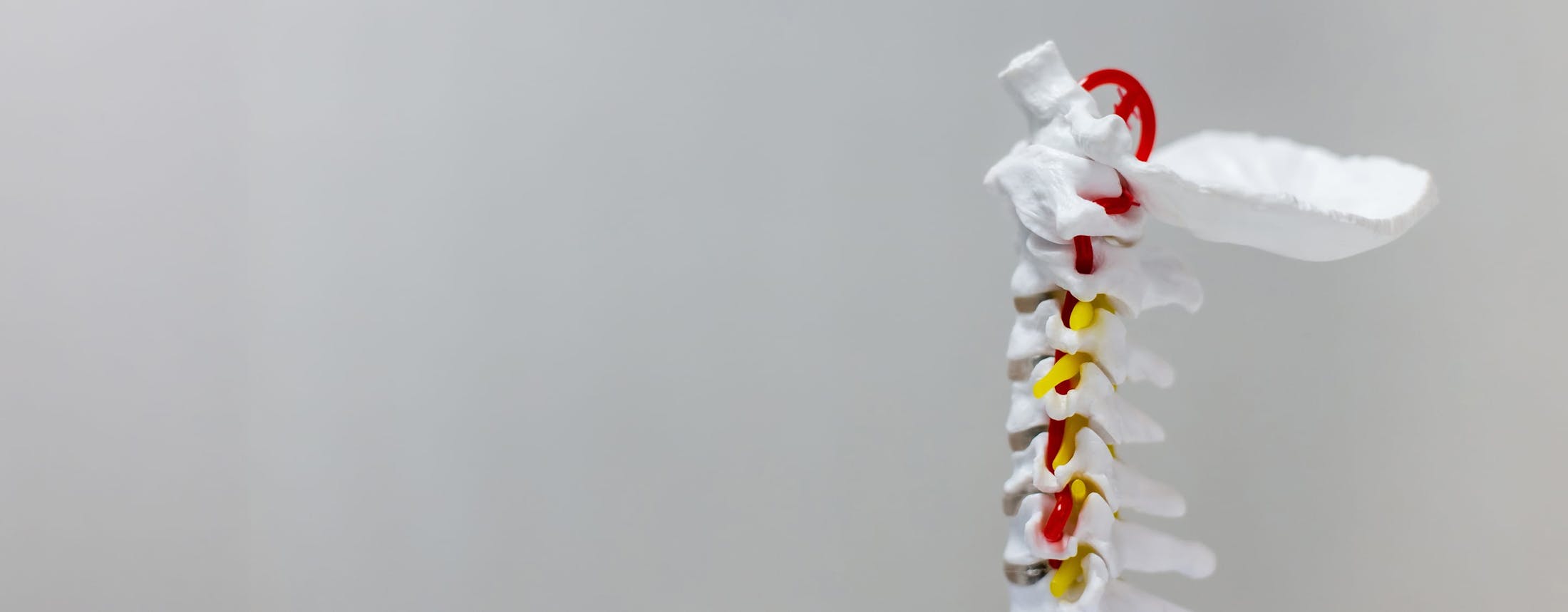
Chronic Spinal Pain Needs a Precise Diagnosis First

For patients who have tried physical therapy, oral medications, and general injections without finding lasting relief, diagnostic clarity is often what is missing. Medial Branch Block Injections offer a targeted, reliable method for determining whether the facet joints are the true source of a patient's chronic neck or back pain, and for providing meaningful relief when they are. 

At Gerling Spine Care and Research Institute, medial branch blocks are a cornerstone of how our Staten Island team approaches chronic axial spinal pain systematically and with genuine clinical purpose, now available close to home. Contact our Staten Island office today to find out whether Medial Branch Block Injections are the right next step for you.

What Are Medial Branch Block Injections?

Medial branch nerves are small sensory nerves that transmit pain signals from the facet joints to the brain. When facet joints become arthritic, injured, or inflamed, these nerves carry the resulting pain. A medial branch block targets these nerves directly by delivering a local anesthetic alongside them, temporarily interrupting the pain signal and allowing both patient and physician to assess how much of the patient's pain originates from the facet joints.

Diagnostic Versus Therapeutic Purpose

Medial branch blocks serve two related but distinct functions. As a diagnostic tool, the injection uses a local anesthetic alone to assess whether the facet joints are the primary pain generator. A significant reduction in pain following the block confirms the facet joint as the source and informs the next steps in treatment planning. As a therapeutic tool, a corticosteroid may be added alongside the anesthetic to provide relief lasting several weeks to several months. In either role, the patient's response to the injection is clinically important information that directly shapes the broader treatment plan.

The Connection to Radiofrequency Ablation

A positive response to medial branch block injections is the standard prerequisite for radiofrequency ablation (RFA), also known as rhizotomy, which uses heat energy to disrupt the medial branch nerves and provide relief lasting nine months to two years or more. Most clinical protocols require two separate positive medial branch block responses before RFA is recommended, ensuring the procedure is applied only to patients most likely to benefit.

We’re here to help you move forward.

Contact Us
Medical professional pointing at a ipad with an spine X-ray

Conditions Treated With Medial Branch Block Injections

Medial branch blocks are appropriate when facet joint pain is suspected as a significant driver of a patient's symptoms. They are used for patients with:

  • Facet joint arthropathy or osteoarthritis at any spinal level
  • Facet joint syndrome causing chronic axial neck or back pain
  • Degenerative spondylosis with facet involvement
  • Chronic spinal pain following whiplash or repetitive injury
  • Axial back or neck pain that has not responded to physical therapy or oral medications
  • Spinal pain that is centralized rather than radiating prominently into the limbs

Are You a Candidate for Medial Branch Block Injections in Staten Island?

Good candidates have chronic axial neck or back pain lasting three months or longer with a clinical presentation suggesting the facet joints as a likely pain source. The pain is typically centered in the spine, worsens with extension or rotation, and does not follow a clear nerve root pattern into the arms or legs. Medial branch blocks may not be appropriate for patients whose pain is primarily caused by disc herniation, nerve root compression, or other non-facet pathology.

Active infection, bleeding disorder, or relevant medication contraindications may also preclude the procedure. Our Staten Island team conducts a thorough clinical evaluation before recommending any injection, ensuring every patient is assessed as an individual and that the procedure is placed within the context of a coherent broader treatment strategy.

Banner media

What to Expect From Medial Branch Block Injections in Staten Island

Medial branch blocks are efficient outpatient procedures with minimal downtime. Most Staten Island patients complete their appointment within an hour and return to normal activities the following day.

Before Your Medial Branch Block Injection

Your consultation will include a detailed review of your symptoms, imaging, and prior treatment history. Our team will explain the procedure clearly, outline what a positive or negative response means for your care plan, and provide specific pre-procedure instructions, including guidance on blood thinners and other relevant medications.

The Day of Your Surgery

You will lie face down on the procedure table while the injection site is cleaned and numbed with a local anesthetic. Using fluoroscopic guidance, thin needles are precisely positioned alongside the targeted medial branch nerves at the relevant spinal levels. The anesthetic is then delivered. The procedure typically takes less than 30 minutes. After the injection, you will be asked to perform movements that normally provoke your pain so our team can assess your response before you leave.

Recovering After Your Procedure

Most patients return to normal activities within 24 hours. The anesthetic provides immediate but short-lived relief, typically lasting several hours. Your original pain may return as the anesthetic wears off, and this is expected. Carefully tracking your pain level during the window of anesthetic effect is important, as this information directly informs whether medial branch blocks have confirmed the facet joint as your pain source. If a corticosteroid was included, additional relief may develop over the following days.

Doctor media

Why Choose Gerling Spine Care and Research Institute?

For Staten Island patients dealing with chronic spinal pain that has resisted previous treatment, the value of a practice that approaches the problem diagnostically cannot be overstated. 

Our team uses medial branch blocks as part of a deliberate, structured clinical pathway designed to identify the true source of pain and match it with the most effective treatment. That systematic approach, combined with the research depth and surgical expertise of our institute, gives patients a genuinely better chance at lasting relief, now available close to home on Staten Island.

Medial Branch Block Injections Frequently Asked Questions

How is a medial branch block different from a facet joint injection?

A facet joint injection delivers medication directly into the facet joint capsule, while a medial branch block targets the small medial branch nerves outside the joint that transmit pain signals from it. Both can be used diagnostically and therapeutically, but medial branch blocks are more commonly used as a diagnostic step before radiofrequency ablation because they more directly evaluate the pain-conducting nerves involved in facet-mediated pain.

Why are two medial branch blocks typically required before radiofrequency ablation?

Two separate positive medial branch blocks are typically required to confirm the diagnosis with higher certainty before proceeding to radiofrequency ablation. A single positive response could be influenced by placebo effects or non-specific pain relief, whereas two consistent positive responses increase diagnostic confidence that the facet joints are the true pain source.

How long does pain relief from a medial branch block last?

When used diagnostically, the local anesthetic in a medial branch block typically provides relief for only a few hours. If a corticosteroid is included, therapeutic relief may last from several weeks to a few months, depending on the individual and the degree of facet joint inflammation.

Will I feel pain during the procedure?

Most patients experience minimal discomfort during a medial branch block. The skin and deeper tissues are numbed with local anesthetic before needle placement, resulting in sensations such as mild pressure or brief discomfort. Sedation is usually not required, though it may be offered for patient comfort.

What happens after a positive medial branch block?

A significant and repeatable reduction in pain following the injection suggests that the facet joints are the primary pain source. In these cases, radiofrequency ablation may be recommended as the next step, using targeted heat energy to disrupt the medial branch nerves and provide longer-lasting pain relief.

We're here to help you move forward.

Relief starts with quality orthopedic care. Contact us today to take the next step toward a more active, pain-free life.

Schedule Appointment (opens in a new tab)
Contact us media
Accessibility: If you are vision-impaired or have some other impairment covered by the Americans with Disabilities Act or a similar law, and you wish to discuss potential accommodations related to using this website, please contact our Accessibility Manager at 201-201-7246.
Contact Us