Adult Scoliosis Is Undertreated. It Does Not Have to Stay That Way.

Millions of adults live with spinal curvature that is either undetected or inadequately managed, accepting limitations in function and quality of life that are not inevitable. Scoliosis in adults is frequently misattributed to other causes of back pain and left without the thorough evaluation it requires. 

At Gerling Spine Care and Research Institute, Clifton patients with scoliosis receive the individualized diagnostic workup and care this condition demands, from a team experienced in managing its full spectrum of presentations, now available close to home in Northern New Jersey. Contact our Clifton office today to schedule a scoliosis evaluation and find the right path forward.

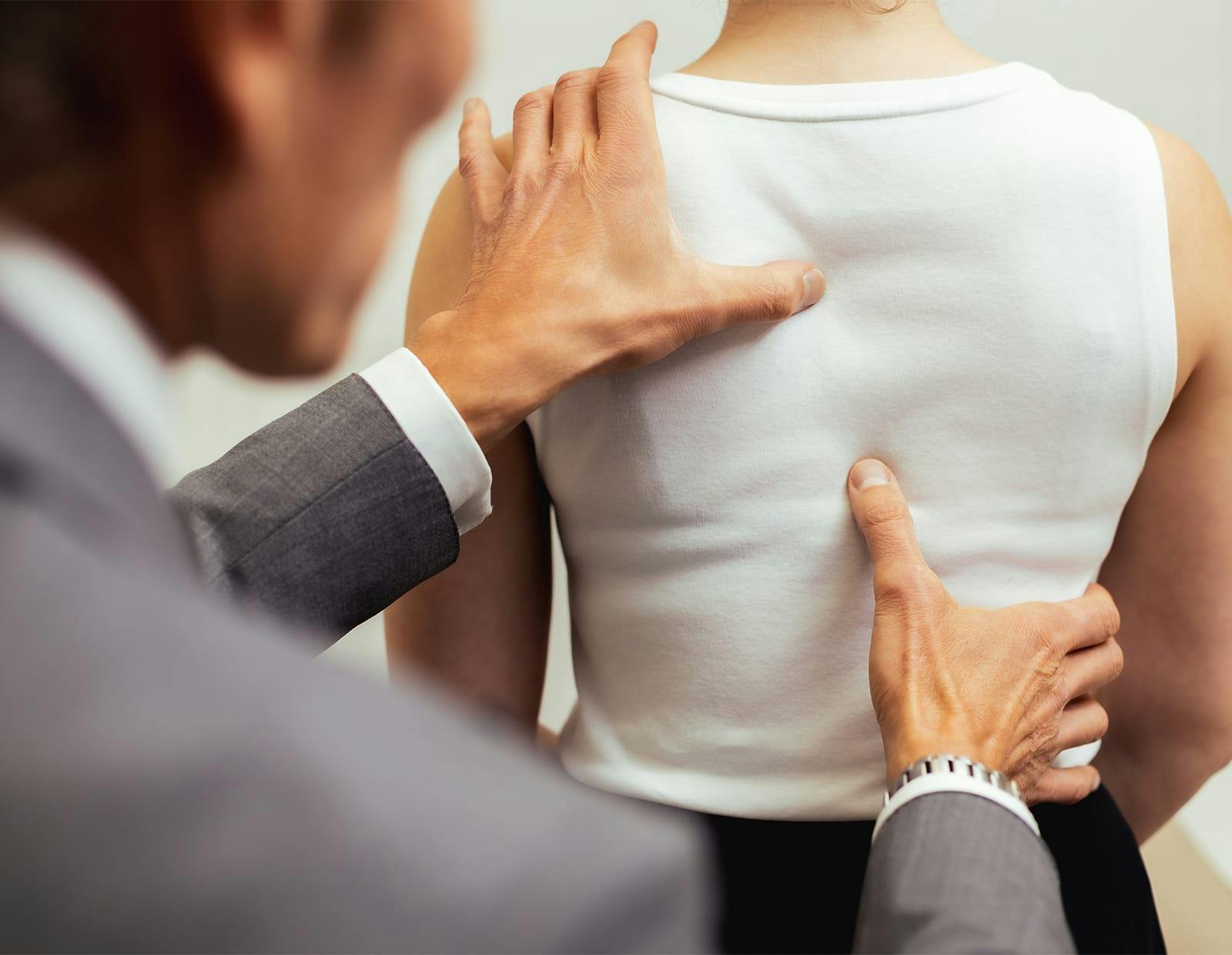
Dr. Michael Gerling examining a patient's back

What Is Scoliosis?

Scoliosis is an abnormal lateral curvature of the spine measuring 10 degrees or more on imaging. Rather than a straight vertical line when viewed from the front or back, the spine curves to one side, often forming a C or S shape. In many cases, the spine also rotates, producing visible postural changes including uneven shoulders or hips and a rib or flank prominence on one side.

We’re here to help you move forward.

Contact Us

Types of Scoliosis in Adults

Understanding which type of scoliosis a patient has is essential to planning appropriate treatment, as different types have distinct causes, progression patterns, and responses to intervention.

Adolescent Idiopathic Scoliosis

Adolescent idiopathic scoliosis develops during the growth years without a clearly identified cause. Adults with this form may have had a diagnosed or undetected curve since childhood that has progressed over time, particularly after age 50 or following pregnancy. Curves exceeding 30 degrees are more likely to continue progressing in adulthood.

Degenerative Scoliosis

Degenerative scoliosis, also called de novo scoliosis, develops in adulthood from asymmetric degeneration of the lumbar discs and facet joints. It is the predominant form seen in adults over 50 and is closely associated with lumbar spinal stenosis, which frequently develops alongside the curvature and contributes significantly to back and leg pain.

Neuromuscular Scoliosis

Neuromuscular scoliosis results from conditions affecting the nerves or muscles, such as cerebral palsy or muscular dystrophy, and typically requires a management approach tailored to the underlying neurological condition alongside the spinal deformity.

Symptoms of Scoliosis in Adults

In adults, scoliosis most commonly presents as pain rather than the postural changes more visible in younger patients. Common symptoms include:

  • Chronic lower back or flank pain that worsens with prolonged standing or walking
  • Leg pain, numbness, or weakness from associated spinal stenosis
  • Visible postural asymmetry, including uneven shoulders, hips, or trunk shift
  • Difficulty standing fully upright or a tendency to lean to one side
  • Fatigue from the muscular effort required to maintain posture against the curve
  • In severe thoracic curves, reduced respiratory capacity
Banner media

When to Seek Evaluation for Scoliosis

Many adults with scoliosis have never received a formal evaluation or have not been assessed in years. Evaluation is appropriate for any adult with known or suspected spinal curvature, particularly if back or leg pain is present, postural changes have been noticed, or functional limitations are developing.

A current set of standing full-length spinal X-rays is the essential foundation of any scoliosis evaluation. These images provide the information needed to measure the curve accurately, assess spinal alignment, and determine whether the curve has changed over time.

How Scoliosis Is Treated at Gerling Spine Care and Research Institute

Treatment goals for adult scoliosis focus on managing pain, preserving function, and preventing further progression. Surgery is reserved for patients with severe symptoms, significant neurological deficits, or curves that are progressing meaningfully over time.

Conservative Care

Physical therapy is the cornerstone of conservative scoliosis management in adults, with programs focused on core strengthening, postural correction, and spinal flexibility. Anti-inflammatory medications and activity modification are also standard components. Bracing plays a limited role in adults, as it does not correct or prevent progression of a mature curve, but may be used selectively to provide postural support and reduce pain in specific situations.

Interventional Pain Management

When scoliosis is accompanied by spinal stenosis or nerve root irritation, targeted injections can provide meaningful symptomatic relief. Options include:

  • Epidural steroid injections for nerve-related leg pain and stenosis symptoms
  • Facet joint injections for facet-mediated axial pain common in degenerative scoliosis
  • Medial branch block injections and rhizotomy for longer-lasting facet pain relief
  • SI joint injections for pelvic pain associated with spinal imbalance from the curve

Minimally Invasive and Surgical Treatment

Surgical intervention is considered for adults with scoliosis when conservative treatments have not provided adequate relief, when neurological deficits are present or progressing, or when the curve is severe or continuing to progress. Spinal fusion using screws, rods, and bone graft is the most commonly performed procedure, stabilizing the spine and partially correcting the deformity while addressing concurrent nerve compression. Minimally invasive techniques are employed where anatomy permits.

Background media

Are You a Candidate for Scoliosis Treatment in Clifton?

Any adult with known scoliosis, suspected spinal curvature, or back and leg pain that has not been adequately evaluated is a candidate for assessment. Standing full-length spinal X-rays are the essential first step, providing the complete picture of the curve, spinal alignment, and pelvic balance that outpatient clinical examination alone cannot offer. Surgical candidacy is determined by a careful review of imaging, symptoms, prior treatments, bone density, and the patient's functional goals and overall health. Our Clifton team will provide a thorough, honest assessment and involve every patient fully in the decision-making process.

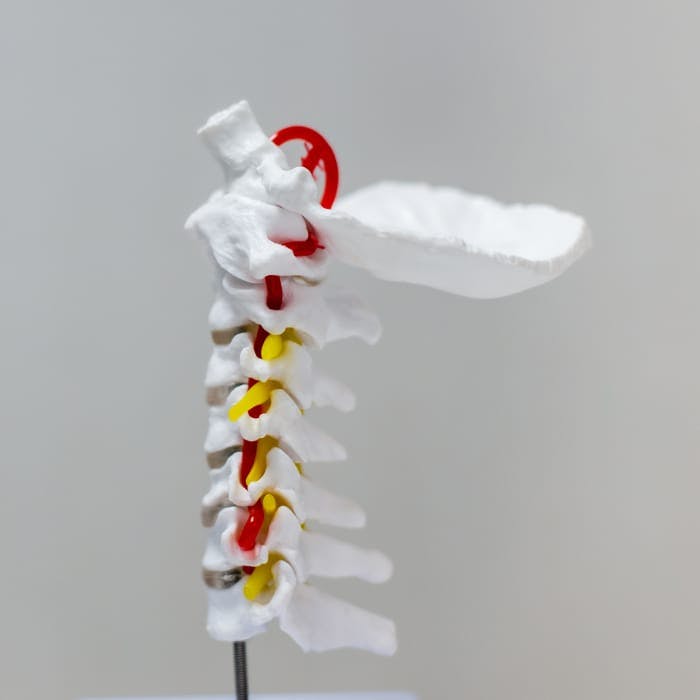
spine
Doctor media

Why Choose Gerling Spine Care and Research Institute?

Adult scoliosis requires a surgical team that understands both the structural complexity of spinal deformity and its functional impact on daily life. Our Clifton team brings that understanding, alongside the research depth of an institute with more than 300 peer-reviewed publications and active leadership in NASS, CSRS, and LSRS.

For Northern New Jersey patients dealing with scoliosis, expert evaluation and comprehensive care are now available close to home.

Scoliosis Treatment Frequently Asked Questions

Does scoliosis get worse with age?

Adult scoliosis can progress over time, particularly lumbar curves associated with degenerative disc disease. Curves exceeding 30 degrees are more likely to progress than smaller ones. Regular monitoring with standing spinal X-rays allows our team to track changes and adjust the treatment plan accordingly.

Can physical therapy correct scoliosis in adults?

Physical therapy cannot straighten an existing curve in adults, as the spine is fully mature. It can significantly reduce pain, improve core strength and postural support, and help patients maintain function and quality of life. It remains a cornerstone of conservative adult scoliosis management.

What is the difference between degenerative and idiopathic scoliosis?

Degenerative scoliosis develops in adulthood from asymmetric wear on the spinal discs and joints and is closely associated with lumbar stenosis. Idiopathic scoliosis typically develops during adolescence without a clearly identified cause and may continue to progress in adulthood. Both can be symptomatic in adult patients but differ in cause, location, and pattern of progression.

Is scoliosis surgery safe for older adults?

Age alone does not disqualify a patient from scoliosis surgery. Overall health, bone density, cardiovascular fitness, and the balance between expected benefit and surgical risk are the relevant factors. Our team evaluates each surgical candidate carefully and is transparent about realistic expectations for older patients considering spinal deformity correction.

How do I know if my back pain is related to scoliosis?

Back pain from scoliosis is often chronic, aching, and worsens with prolonged standing or walking. It may be accompanied by leg symptoms from associated stenosis or postural fatigue from the muscular effort of compensating for the curve. Standing spinal X-rays are the essential first step in determining whether scoliosis is contributing to your symptoms, and our Clifton team will correlate the imaging carefully with your clinical picture.

We're here to help you move forward.

Relief starts with quality orthopedic care. Contact us today to take the next step toward a more active, pain-free life.

Schedule Appointment (opens in a new tab)
Contact us media
Accessibility: If you are vision-impaired or have some other impairment covered by the Americans with Disabilities Act or a similar law, and you wish to discuss potential accommodations related to using this website, please contact our Accessibility Manager at 201-201-7246.
Contact Us