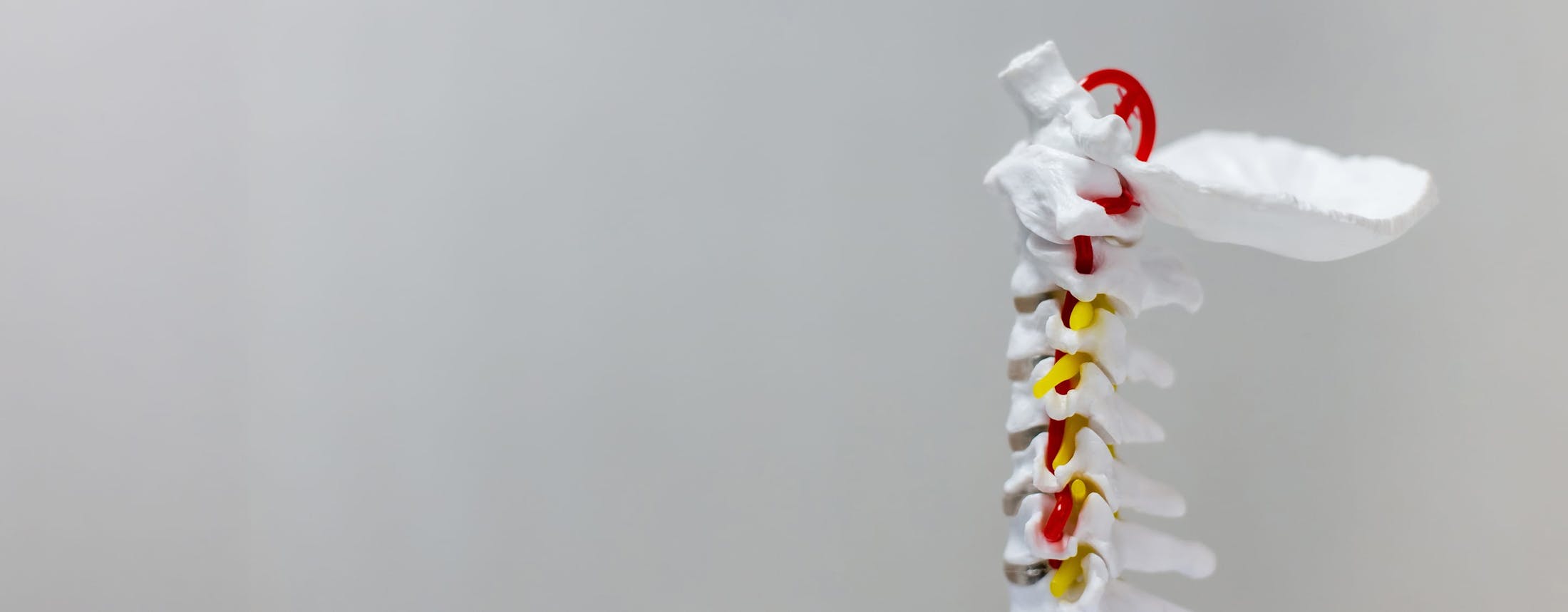
Lumbar Fusion Starts With Choosing the Right Technique for the Right Patient

Lumbar fusion is not a single operation. It is a family of surgical approaches, each designed for different anatomical presentations, different patterns of pathology, and different patient goals. The difference between a well-matched approach and a generic one can be measured in weeks of recovery time and years of functional outcome.

At Gerling Spine Care and Research Institute, Clifton patients benefit from a team that is experienced across the full spectrum of lumbar fusion techniques, with the clinical judgment and research depth to select and execute the right one for each individual patient, now available in Northern New Jersey. Contact our Clifton office today to find out whether Lumbar Fusion is the right solution for your condition.

What Is Lumbar Fusion?

Lumbar Fusion is a surgical procedure that permanently joins two or more lumbar vertebrae using bone graft and implanted hardware including screws and rods. Over time, the bone graft stimulates new bone growth that bridges the vertebrae into a single, stable unit, eliminating painful motion at the treated level and providing durable structural support to the lower spine.

Why Lumbar Fusion Is Performed

Fusion is indicated when a lumbar spine condition involves not just nerve compression but also instability, deformity, or painful motion at a degenerated disc level that has not responded to conservative care. In many cases, it is performed alongside decompression procedures such as laminectomy or discectomy to address both the structural and neurological components of a patient's condition in a single surgical setting.

Minimally Invasive Technique

At Gerling Spine Care and Research Institute, minimally invasive technique is applied to lumbar fusion wherever anatomy and patient condition allow. Muscle-sparing approaches, smaller incisions, reduced blood loss, and shorter hospital stays are the direct result of this commitment, reflected in some of the shortest hospital stays in the NYU system.

We’re here to help you move forward.

Contact Us

Approaches to Lumbar Fusion

Selecting the right approach requires a thorough understanding of each patient's anatomy, the nature and location of their pathology, and the goals of surgery. Our Clifton team is experienced in all of the following techniques.

Posterior Lumbar Fusion (PLF and PLIF)

The posterior approach accesses the spine from the back and is the most versatile lumbar fusion technique. It allows simultaneous decompression and stabilization and is appropriate for a wide range of conditions, including stenosis with instability, spondylolisthesis, and multilevel degeneration. PLIF adds an interbody cage in the disc space for additional structural support and improved fusion rates.

Transforaminal Lumbar Interbody Fusion (TLIF)

TLIF is a widely used variation of posterior interbody fusion that accesses the disc space from one side through the foramen, reducing the degree of nerve retraction required compared to PLIF. It is a highly effective technique for combining decompression and interbody fusion through a single posterior incision and is particularly well suited to minimally invasive execution.

Lateral Lumbar Interbody Fusion (LLIF)

The lateral approach reaches the spine through a small incision at the side of the waist, entirely avoiding the back muscles. It provides excellent disc height restoration and indirect nerve decompression and is particularly effective for middle lumbar levels. Posterior fixation with screws and rods is typically added to complete the stabilization construct.

Anterior Lumbar Interbody Fusion (ALIF)

ALIF approaches the spine from the front of the abdomen, providing access to the largest disc space and allowing for maximum interbody support and height restoration. It is most commonly used at L5-S1 and is frequently combined with posterior fixation for optimal overall stability.

Background media
Man with muscular build holding his neck and upper back in discomfort, indicating spine or muscle pain

Conditions Treated With Lumbar Fusion

Lumbar fusion addresses conditions in which spinal instability, deformity, or painful disc-level motion is a primary component of the patient's problem, including:

  • Spondylolisthesis causing chronic back and leg pain
  • Lumbar spinal stenosis with associated instability
  • Degenerative disc disease producing disabling axial lower back pain
  • Degenerative lumbar scoliosis or spinal deformity
  • Lumbar fractures or trauma requiring stabilization
  • Adjacent segment degeneration following prior lumbar surgery
  • Revision of failed prior lumbar fusion procedures

Are You a Candidate for Lumbar Fusion in Clifton?

Candidates typically have chronic lower back or leg pain caused by an identifiable structural problem, imaging findings of instability, slippage, or significant degeneration correlating clearly with their symptoms, and have not achieved adequate relief from a sustained course of conservative care. The right surgical approach depends on a detailed assessment of the patient's anatomy, the specific levels involved, prior surgical history, bone quality, and overall health. In some cases, a combined approach using two techniques in a single surgery produces the best result, and our Clifton team has the experience to plan and execute these more complex constructs effectively. Our team will conduct a thorough preoperative evaluation before making any recommendations.

Banner media

What to Expect From Lumbar Fusion in Clifton

Every patient's surgical plan is individualized, but the framework of care at our Clifton practice follows a consistent and high standard at every stage.

Before Your Lumbar Fusion

Your consultation will include a detailed review of your symptoms, imaging, and treatment history. Our surgeons take the time to explain all appropriate surgical options, walk through the rationale for the recommended approach, and discuss expected outcomes honestly before any decision is made.

The Day of Your Surgery

Procedure length and hospital stay vary depending on the type of fusion and number of levels being treated. Minimally invasive single-level procedures may allow for discharge within one to two days. More extensive cases involving multiple levels or combined approaches typically require two to four days in the hospital. Our operating room efficiency and minimally invasive principles minimize time under anesthesia and support a smooth start to recovery.

Recovering After Your Procedure

Most patients begin to notice improvement in symptoms within two to six weeks of surgery. Return to light daily activities typically occurs within a few weeks, while more physically demanding work may require several months. Physical therapy is an essential part of recovery, rebuilding core strength and stability around the fused levels. Full fusion, confirmed by imaging, generally takes six to twelve months. Our team monitors progress closely and remains actively involved at every stage.

Doctor media

Why Choose Gerling Spine Care and Research Institute?

The ability to perform the full range of lumbar fusion techniques is one thing. The clinical judgment to select and execute the right one for each individual patient is another. Our Clifton team brings both, supported by decades of surgical experience, a research program with more than 300 peer-reviewed publications, and active leadership in NASS, CSRS, and LSRS.

For Northern New Jersey patients facing lumbar fusion, that depth of expertise and judgment is now available close to home.

Lumbar Fusions Frequently Asked Questions

How do I know which type of lumbar fusion is right for me?

The right approach depends on the location and nature of your spinal pathology, the number of levels involved, your overall anatomy, prior surgical history, and general health. Your surgeon will review your imaging in detail and explain which technique or combination of techniques is most appropriate for your specific situation.

How long does it take for a lumbar fusion to become solid?

Bone fusion unfolds over months. Most patients begin to feel meaningfully better well before fusion is confirmed on imaging, which typically takes six to twelve months, and in some cases longer, depending on the number of levels and individual healing factors.

Will lumbar fusion permanently limit my movement?

Fusion eliminates motion at the treated levels. The impact on daily movement depends on the number of levels fused and their location. Most patients find that meaningful relief from pain and instability far outweighs any reduction in range of motion, and realistic expectations will be discussed clearly during your consultation.

Can lumbar fusion be performed using minimally invasive techniques?

Yes. Many lumbar fusion procedures can be performed using minimally invasive approaches, resulting in smaller incisions, less muscle disruption, reduced blood loss, and faster recovery. Whether a minimally invasive approach is appropriate depends on the type of fusion, the number of levels, and the patient's anatomy.

What is the difference between lumbar fusion and lumbar discectomy?

Discectomy removes the portion of a herniated disc pressing on a nerve without permanently joining the vertebrae. Fusion permanently stabilizes one or more spinal levels by joining the vertebrae together. Some patients require both procedures performed together, particularly when disc removal alone would leave the spine insufficiently stable or when painful disc-level motion is a significant component of their problem.

We're here to help you move forward.

Relief starts with quality orthopedic care. Contact us today to take the next step toward a more active, pain-free life.

Schedule Appointment (opens in a new tab)
Contact us media
Accessibility: If you are vision-impaired or have some other impairment covered by the Americans with Disabilities Act or a similar law, and you wish to discuss potential accommodations related to using this website, please contact our Accessibility Manager at 201-201-7246.
Contact Us