Your Lower Back Pain May Have a Different Source

Sacroiliac joint pain is one of the most consistently underdiagnosed causes of chronic lower back, buttock, and pelvic discomfort. Because its symptoms overlap closely with lumbar disc disease and radiculopathy, many patients spend considerable time in treatment directed at the wrong structure.

At Gerling Spine Care and Research Institute, SI joint injections give our Clifton patients both a diagnostic answer and a therapeutic option in a single, minimally invasive procedure, now available close to home in Northern New Jersey. Contact our Clifton office today to find out whether SI Joint Injections are the right next step for you.

What Are SI Joint Injections?

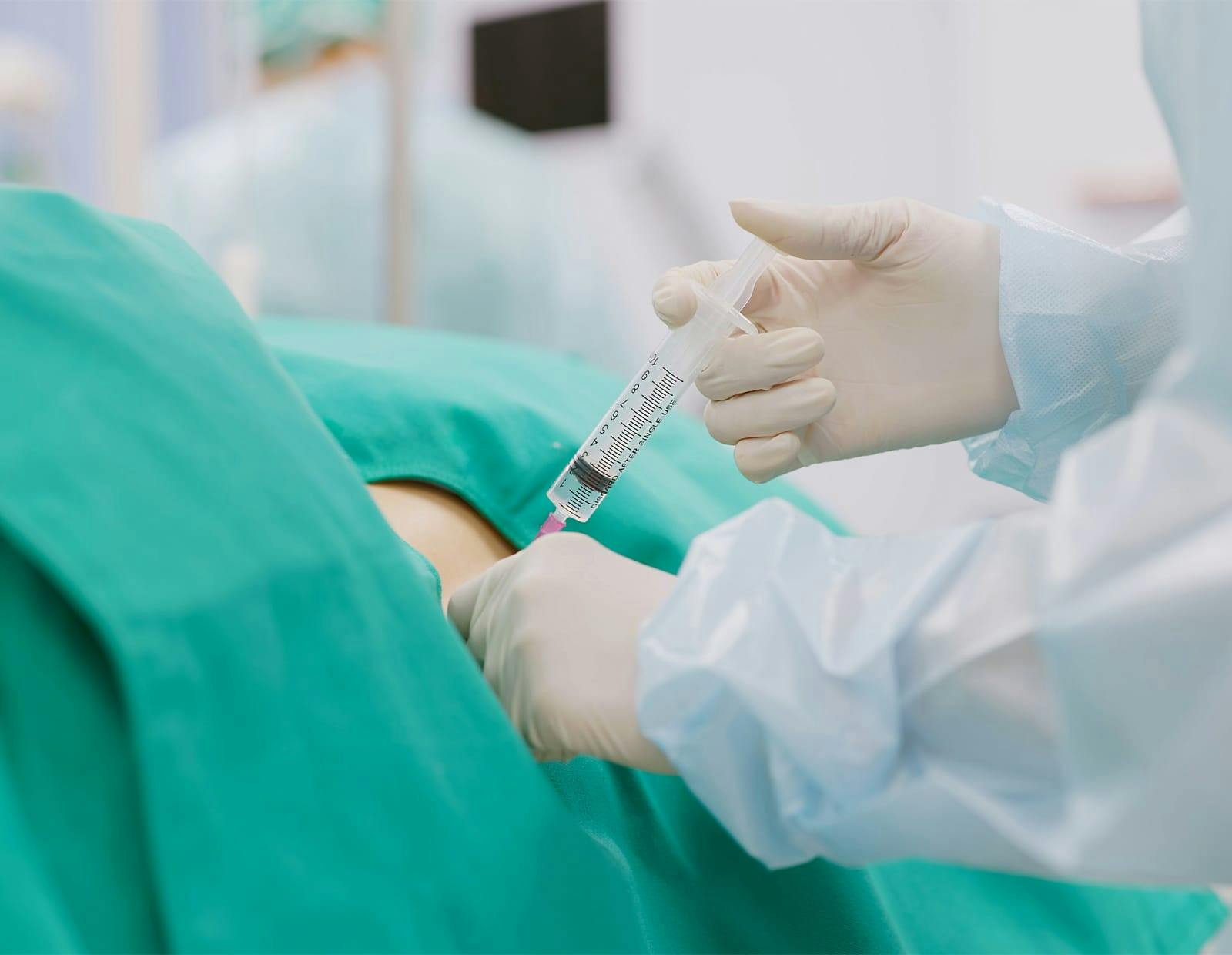
A sacroiliac joint injection delivers a combination of local anesthetic and corticosteroid directly into the SI joint, the joint connecting the sacrum at the base of the spine to the iliac bone of the pelvis on each side. The anesthetic provides immediate short-term relief by numbing the joint, while the corticosteroid reduces inflammation within the joint over the days that follow.

Diagnostic Versus Therapeutic Purpose

SI joint injections serve two complementary purposes. As a diagnostic tool, the anesthetic component reveals whether the SI joint is the primary source of a patient's pain. A significant reduction in symptoms following the injection strongly implicates the SI joint and guides subsequent treatment decisions with a level of confidence that imaging alone cannot provide. As a therapeutic treatment, the corticosteroid component targets joint inflammation directly, providing relief that can last from several weeks to several months, depending on the individual and the underlying cause of joint irritation.

How SI Joint Injections Fit Into a Broader Treatment Plan

For patients with confirmed SI joint pain, injections are typically integrated into a broader management strategy that includes physical therapy to address the muscular imbalance and pelvic instability that often accompany SI joint dysfunction. When injections provide only temporary relief, and the SI joint has been clearly established as the pain source, surgical stabilization through SI joint fusion may be discussed as a more definitive next step.

We’re here to help you move forward.

Contact Us
Joint injection

Conditions Treated With SI Joint Injections

SI joint injections are appropriate when the sacroiliac joint is identified as a likely contributor to a patient's symptoms. They are used to evaluate and treat:

  • Sacroiliac joint dysfunction or instability
  • Sacroiliitis from any underlying cause
  • Degenerative arthritis of the SI joint
  • Post-partum SI joint pain and pelvic instability
  • SI joint stress following lumbar fusion at L5-S1
  • Ankylosing spondylitis with SI joint involvement
  • Lower back, buttock, or leg pain of suspected SI joint origin that has not responded to conservative care


Are You a Candidate for SI Joint Injections in Clifton?

Good candidates have lower back, buttock, hip, or leg pain that has persisted despite conservative care and is suspected on clinical grounds to originate from the sacroiliac joint. Pain located just below the beltline on one side, worsening with prolonged sitting or transitional movements, and not following a clear dermatomal pattern into the leg are characteristic features of SI joint involvement.

Injections may not be appropriate for patients with active infection, bleeding disorders, or relevant medication contraindications. Patients on blood thinners or certain diabetes medications will receive specific pre-procedure instructions. Our Clifton team will conduct a thorough clinical evaluation and review your imaging before recommending any injection, ensuring the procedure is placed within the context of your individual diagnostic picture.

Banner media

What to Expect From SI Joint Injections in Clifton

SI joint injections are efficient outpatient procedures with minimal downtime. Most Clifton patients complete their appointment within an hour and return to normal activities the following day.

Before Your SI Joint Injection

Your consultation will include a review of your symptoms, imaging, and prior treatments. Our team will explain the procedure clearly, outline what a positive or negative response means for your ongoing care, and provide all relevant pre-procedure instructions. The importance of tracking your pain response carefully in the hours following the injection will be emphasized, as this information is central to the diagnostic value of the procedure.

The Day of Your Surgery

You will lie face down on the procedure table while the injection site is cleaned and numbed with a local anesthetic. Using fluoroscopic guidance, a thin needle is advanced precisely into the SI joint. A contrast agent is injected first to confirm correct needle placement within the joint, and the medication is then delivered. The procedure typically takes less than 30 minutes. Some patients experience mild soreness at the injection site for one to two days afterward.

Recovering After Your Procedure

Most patients return to normal activities the day after the injection. Immediate relief from the anesthetic component typically lasts several hours. Your original pain may briefly return as the anesthetic wears off before the corticosteroid takes effect, usually within 24 to 72 hours. Relief from the steroid component can last from several weeks to several months. Carefully noting the degree and timing of relief following the injection is important, as this information directly shapes the next steps in your care plan.

Doctor media

Why Choose Gerling Spine Care and Research Institute?

Getting SI joint pain right begins with taking the diagnosis seriously. Our Clifton team approaches every case of persistent lower back and pelvic pain with the systematic thoroughness needed to determine whether the SI joint is truly the source, and offers the full spectrum of treatment options when it is confirmed.

For Northern New Jersey patients who have been searching for answers, that combination of diagnostic precision and clinical depth is now available close to home.

SI Joint Injections Frequently Asked Questions

How is an SI joint injection different from an epidural injection?

An epidural injection targets the epidural space surrounding the spinal cord and is used primarily for nerve-related pain radiating into the legs. An SI joint injection targets the sacroiliac joint itself and is used for pain originating from that joint, which tends to be felt in the lower back, buttock, and sometimes the upper leg, but does not follow a clear nerve root pattern.

How do I know if my pain is coming from the SI joint?

SI joint pain is often felt just below the beltline on one side, worsens with prolonged sitting or transitional movements, and does not radiate in a clear dermatomal pattern. A guided diagnostic SI joint injection is the most reliable way to confirm the SI joint as the pain source, which is why our team uses it as a central part of the diagnostic process.

How many SI joint injections can I receive per year?

Most guidelines recommend no more than three injections per year at a given joint, given the potential effects of repeated corticosteroid use on joint tissue. Your care team will determine the appropriate frequency based on your response and overall clinical situation.

What if the injection does not relieve my pain?

A lack of significant relief following a diagnostic SI joint injection suggests the SI joint may not be the primary pain generator and that further evaluation for other contributing causes is warranted. If injections confirm the SI joint as the source but do not provide lasting relief, surgical stabilization through SI joint fusion may be discussed as a longer-term solution.

Can SI joint pain recur after injections?

Yes. Injections reduce inflammation and relieve symptoms but do not address the structural cause of SI joint dysfunction. For patients with persistent or recurring SI joint pain, a longer-term management plan including physical therapy, activity modification, and in some cases surgical stabilization will be discussed as part of ongoing care.

We're here to help you move forward.

Relief starts with quality orthopedic care. Contact us today to take the next step toward a more active, pain-free life.

Schedule Appointment (opens in a new tab)
Contact us media
Accessibility: If you are vision-impaired or have some other impairment covered by the Americans with Disabilities Act or a similar law, and you wish to discuss potential accommodations related to using this website, please contact our Accessibility Manager at 201-201-7246.
Contact Us