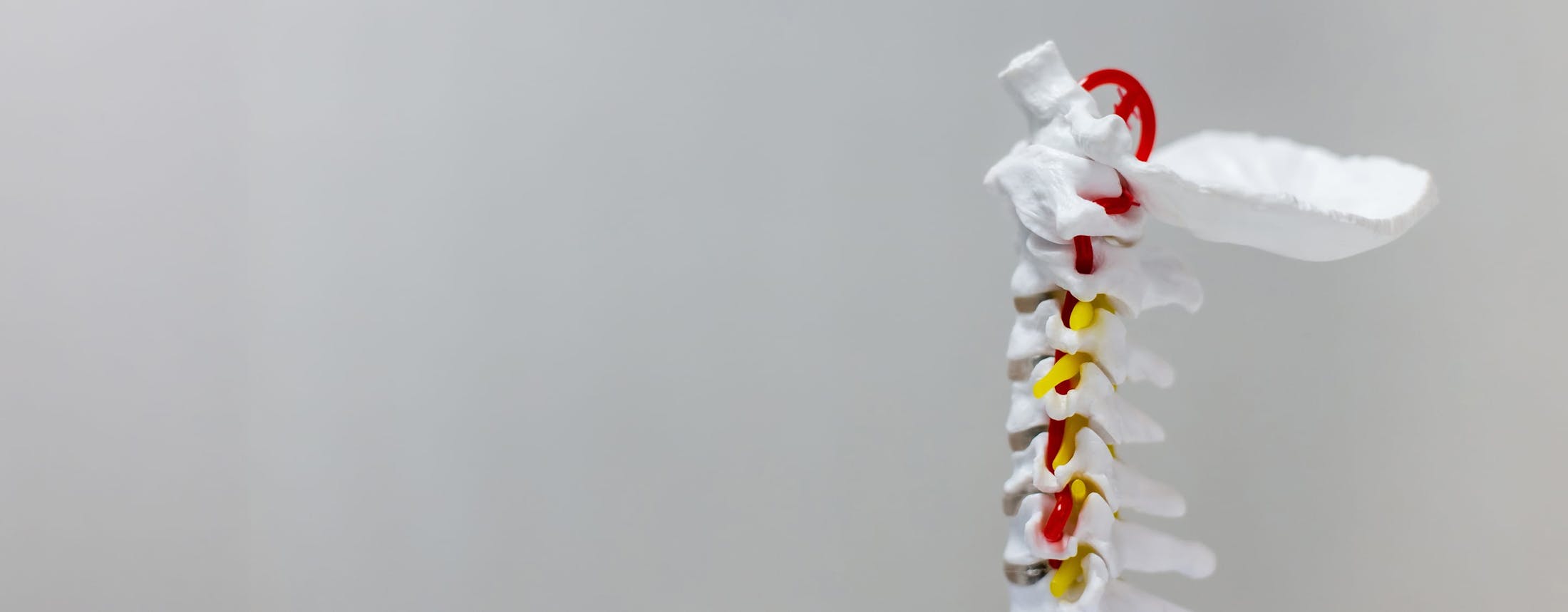
Confirmed Source, Temporary Relief: Rhizotomy Takes It Further

For patients with chronic neck or back pain originating from the facet joints, a positive response to diagnostic injections is an important milestone. It confirms the source. What it cannot do is provide lasting relief. Rhizotomy takes the next step, using controlled radiofrequency energy to disrupt the medial branch nerves responsible for transmitting that pain on a more permanent basis.

At Gerling Spine Care and Research Institute, rhizotomy is performed as part of a structured, diagnostically rigorous clinical pathway, applied only after the evidence base for the procedure has been carefully established for each Clifton patient. Contact our Clifton office today to find out whether Rhizotomy is the right next step for you.

What Is Rhizotomy?

Rhizotomy, also known as radiofrequency ablation (RFA), uses radiofrequency energy to heat and disrupt the medial branch nerves responsible for transmitting pain signals from the facet joints to the brain. Once disrupted, the nerve can no longer carry the pain signal, providing relief that typically lasts between nine months and two years.

How Rhizotomy Differs From Injections

Facet joint injections and medial branch blocks deliver medication to reduce inflammation or temporarily interrupt the pain signal. Their effect is limited by the duration of the medication. Rhizotomy physically disrupts the nerve itself, producing relief that does not depend on medication and does not wear off in the same way. For patients who have had positive responses to medial branch blocks but found the relief too short-lived, rhizotomy is the logical and clinically appropriate progression.

The Diagnostic Foundation

Rhizotomy is not performed without first confirming through medial branch block injections that the facet joints are the primary pain source. Most clinical protocols require two separate positive block responses before rhizotomy is recommended, ensuring the procedure is reserved for patients with the highest likelihood of meaningful and lasting benefit.

We’re here to help you move forward.

Contact Us
Dr. Gerling performing a neurological reflex test on a patient

How Rhizotomy Works

Rhizotomy is an outpatient procedure performed under local anesthesia with mild sedation for comfort. The patient lies face down while the treatment area is cleaned and numbed. Using fluoroscopic guidance, a specialized needle is positioned precisely alongside the targeted medial branch nerves. A small electrical current is first applied to confirm correct placement, producing a brief muscle twitch or mild sensation.

Once the position is confirmed, local anesthetic is administered, and radiofrequency energy is delivered through the needle tip, generating controlled heat that disrupts the nerve's ability to transmit pain. The procedure typically takes less than one hour, and most patients are home the same day.
Conditions Treated With Rhizotomy

Rhizotomy is most appropriate for chronic spinal pain confirmed through prior diagnostic injections as originating from the facet joints. It is used for patients with:

  • Facet joint syndrome producing chronic axial neck or back pain
  • Degenerative spondylosis with significant facet joint involvement
  • Chronic spinal pain following whiplash or injury with confirmed facet contribution
  • Sacroiliac joint pain in select cases where the medial branch nerves are involved
  • Facet joint arthropathy or osteoarthritis of the cervical, thoracic, or lumbar spine

It is not appropriate for pain primarily caused by disc herniation, nerve root compression, or other non-facet pathology.

Banner media

Are You a Candidate for Rhizotomy in Clifton?

The clearest indicator of candidacy is a significant and reproducible reduction in pain following two separate medial branch block injections. Beyond that, good candidates have chronic axial spinal pain lasting three months or longer, have not achieved lasting relief from conservative care or therapeutic injections, and are in acceptable overall health for an outpatient procedure. Our Clifton team will review your full clinical and injection history before making any recommendation, and will not proceed to rhizotomy without the diagnostic foundation that gives the procedure its best chance of producing meaningful and lasting relief.

medical equipment

What to Expect From Rhizotomy in Clifton

Rhizotomy is one of the most efficient procedures in our practice, with a straightforward recovery and a fast return to normal activity for most patients.

Before Your Rhizotomy

Your consultation will include a review of your diagnostic injection history, imaging, and symptom pattern. Our team will confirm your candidacy, explain the procedure and the radiofrequency mechanism clearly, and walk through realistic expectations for duration of relief and the possibility of repeat treatment before any decision is made.

The Day of Your Surgery

The procedure is performed under local anesthesia with mild sedation. You will need a driver to bring you home afterward. Most patients experience mild pressure during the procedure but report minimal pain. Some temporary soreness or bruising at the treatment site is normal in the days that follow and resolves without intervention.

Recovering After Your Procedure

Most patients return to normal activities within 24 to 48 hours. Some initial soreness at the procedure site is expected as the treated area heals. Pain relief typically begins within days and reaches its maximum benefit within two to four weeks. Relief generally lasts between nine months and two years. Because the medial branch nerves can regenerate over time, the procedure can be repeated if and when pain returns.

Doctor media

Why Choose Gerling Spine Care and Research Institute?

The effectiveness of rhizotomy is directly tied to the quality of the diagnostic work that precedes it. Performing the procedure without a rigorous diagnostic foundation reduces the likelihood of meaningful benefit and leaves patients no closer to lasting relief. Our Clifton team follows established clinical protocols precisely and approaches every chronic pain case with the systematic rigor of a research institution.

For Northern New Jersey patients who have been searching for a more definitive answer to their chronic spinal pain, that standard of diagnostic and therapeutic care is now available close to home.

Rhizotomy Frequently Asked Questions

How long does pain relief from rhizotomy last?

Relief typically lasts between nine months and two years, depending on the individual and the degree of nerve disruption achieved. Because the medial branch nerves can regenerate over time, the procedure can be repeated when pain returns, often with similar results.

Is rhizotomy the same as radiofrequency ablation?

Yes. Rhizotomy and radiofrequency ablation are two terms for the same procedure. Rhizotomy refers broadly to any procedure that disrupts a nerve root, while radiofrequency ablation specifically describes the use of heat energy to achieve that disruption. In the context of facet joint pain management, the terms are used interchangeably.

Will I feel pain during rhizotomy?

The treatment area is numbed with a local anesthetic before the radiofrequency energy is delivered. Most patients feel mild pressure or a brief warm sensation rather than significant pain. Mild IV sedation is typically available for patients who prefer additional comfort during the procedure.

What happens if rhizotomy does not relieve my pain?

If rhizotomy does not provide the expected relief, it may indicate that additional pain generators beyond the facet joints are contributing to the patient's symptoms. Our team will reassess the clinical picture and explore alternative diagnoses and treatment strategies. Endoscopic rhizotomy may also be considered in select cases where conventional radiofrequency ablation has not produced the expected result.

Can rhizotomy be performed at multiple spinal levels in one session?

Yes. When pain originates from facet joints at multiple levels, the procedure can address several levels in a single session. This is both practical for the patient and clinically appropriate when the diagnostic blocks have confirmed facet involvement at those levels.

We're here to help you move forward.

Relief starts with quality orthopedic care. Contact us today to take the next step toward a more active, pain-free life.

Schedule Appointment (opens in a new tab)
Contact us media
Accessibility: If you are vision-impaired or have some other impairment covered by the Americans with Disabilities Act or a similar law, and you wish to discuss potential accommodations related to using this website, please contact our Accessibility Manager at 201-201-7246.
Contact Us