Lasting Relief From Sciatica Starts With an Accurate Diagnosis

The pain of sciatica is distinctive. It does not stay in one place. It travels from the lower back through the buttocks and down the leg, and it can make the most basic daily activities genuinely difficult. What many patients do not realize is that sciatica is a description of a symptom pattern, not a diagnosis. Two patients with sciatica can have entirely different underlying causes, which means the treatment that works for one may do nothing for the other.

At Gerling Spine Care and Research Institute, every sciatica patient at our West Orange location begins with a thorough diagnostic evaluation, because lasting relief depends on identifying the structural source of the compression, not just addressing the pain it produces. Contact our West Orange office today to schedule an evaluation and find out exactly what is driving your sciatica.

Woman walking in a street

What Is Sciatica?

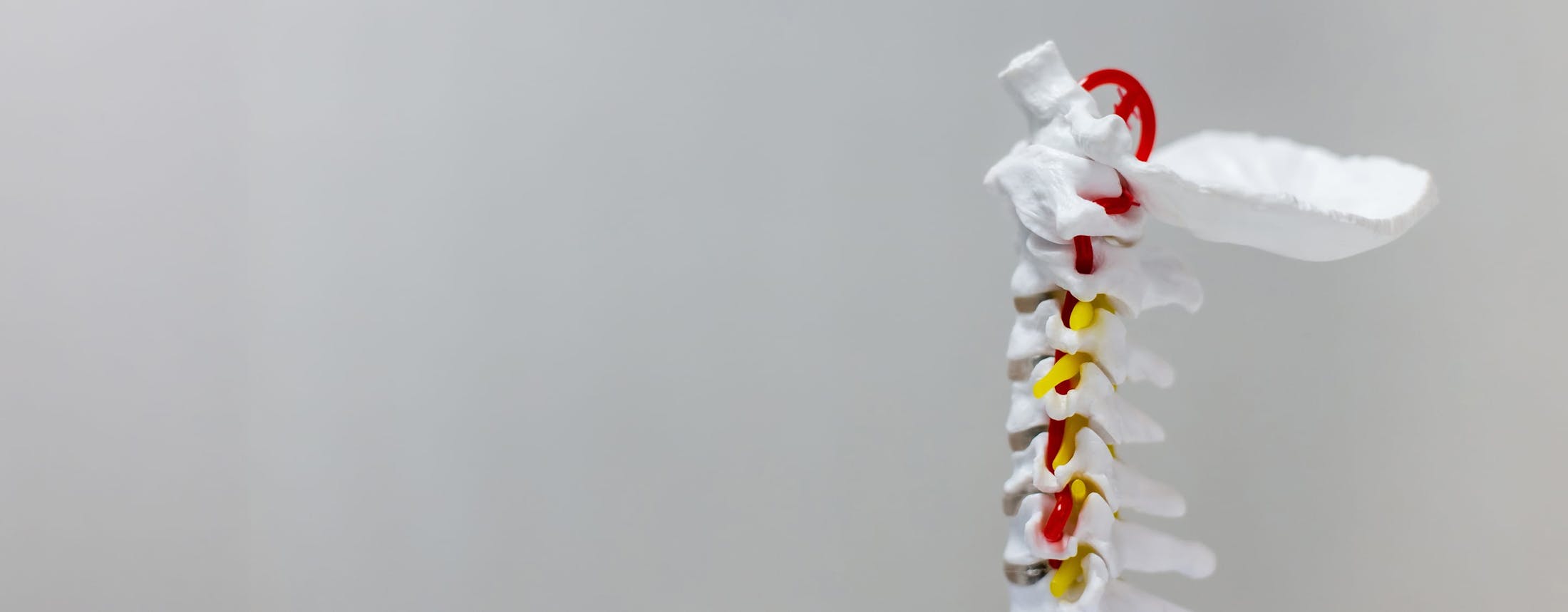
The sciatic nerve is formed by several nerve roots exiting the lower lumbar and sacral spine, which converge into a single nerve that travels through the buttock and down the back of the leg to the foot. When one or more of those nerve roots is compressed or irritated, most commonly in the lower lumbar spine, pain, numbness, tingling, or weakness can radiate anywhere along that nerve's path.

Sciatica is a symptom, not a standalone diagnosis. The structural problem responsible for the compression is what needs to be identified and addressed — because that is what determines which treatment will actually work.

How Sciatica Differs From General Back Pain

Patients frequently conflate sciatica with ordinary back pain, and that confusion often leads to treatment directed at the wrong target. 

The distinction is meaningful: general back pain originates from muscles, joints, or discs without necessarily involving nerve compression, and it stays in the back. Sciatica is specifically a nerve root problem. The pain it produces typically travels below the knee, tends to affect one side of the body, and is frequently accompanied by neurological features like tingling, numbness, and leg weakness, which ordinary back pain does not produce. Pinpointing which nerve root is involved and what structure is compressing it is the clinical work that separates effective sciatica treatment from treatment that merely manages the symptom temporarily.

We’re here to help you move forward.

Contact Us

Common Causes of Sciatica

Sciatica most commonly develops when one of the following conditions compresses a lumbar nerve root:

  • Lumbar disc herniation pressing on a nerve root; the most common cause by a considerable margin
  • Lumbar spinal stenosis, which narrows the canal around the nerve roots
  • Spondylolisthesis compressing the exiting nerve through vertebral slippage
  • Degenerative disc disease with associated nerve root irritation
  • Bone spurs from facet joint arthritis, narrowing the foramen
  • Piriformis syndrome, where the piriformis muscle irritates the sciatic nerve at the hip
  • Less commonly, spinal tumors or cysts affecting the lumbar nerve roots
Banner media

Symptoms of Sciatica

Sciatica symptoms vary based on which nerve root is involved and how significantly it is being compressed. Common presentations include:

  • Sharp, shooting, or burning pain radiating from the lower back or buttocks down one leg
  • Numbness or tingling in the leg, calf, or foot
  • Muscle weakness in the affected leg or foot
  • Pain that worsens with prolonged sitting, standing, coughing, or sneezing
  • Symptoms affecting predominantly one side of the body

Symptoms affecting both legs simultaneously, or any change in bladder or bowel function, may indicate cauda equina syndrome — a serious condition requiring immediate medical evaluation.

medical light

How Sciatica Is Treated at Gerling Spine Care and Research Institute

The statistics on sciatica outcomes are genuinely encouraging: between 80 and 90 percent of cases improve without surgery, particularly those driven by disc herniation, where natural resorption of the herniated material resolves the compression over time. At our West Orange location, treatment is built around that reality, starting conservatively and escalating only when the clinical picture provides a clear reason to do so.

Conservative Care

For most sciatica patients, particularly those with recently developed symptoms from disc herniation, conservative management is where treatment begins. This involves a structured period of activity modification to reduce mechanical load on the irritated nerve root, anti-inflammatory medications to calm the acute inflammatory response, and a physical therapy program introduced once the most severe phase of symptoms has settled. Gentle movement and walking throughout this period are actively encouraged — the research consistently shows that patients who stay appropriately mobile recover faster than those who rest completely.

Interventional Pain Management

When conservative care has not produced sufficient improvement, targeted procedures can reduce nerve root inflammation and support continued recovery. Options at our West Orange location include:

  • Lumbar epidural steroid injections to reduce inflammation around the compressed nerve root
  • Transforaminal selective nerve root blocks to deliver medication precisely to the affected nerve and confirm its role in generating symptoms
  • Medial branch block injections; used when facet joint involvement is suspected alongside radiculopathy

Minimally Invasive and Surgical Treatment

Surgery is considered when conservative and interventional treatment has not produced adequate improvement after a reasonable trial—typically six to twelve weeks—or when neurological deficits are significant or continuing to progress. For sciatica with a clearly identified structural cause, surgical outcomes are consistently strong. For sciatica driven by disc herniation, minimally invasive lumbar discectomy or endoscopic discectomy removes the herniated fragment responsible for the nerve compression. Many patients experience dramatic relief from leg symptoms within the first few days after surgery, a response that stands out even by spine surgery standards. For sciatica caused by spinal stenosis, a laminectomy or another decompression procedure restores the space the compressed nerve roots require. For sciatica associated with spondylolisthesis or spinal instability, lumbar fusion alongside decompression addresses both the nerve compression and the underlying structural problem simultaneously.

Background media

Are You a Candidate for Sciatica Treatment in West Orange?

Radiating leg pain, numbness, tingling, or weakness originating from the lower back is a sufficient reason to seek evaluation at our West Orange location, regardless of how long symptoms have been present or how severe they currently are. Earlier evaluation leads to a more accurate diagnosis and better-matched treatment. Patients with progressive leg weakness, symptoms affecting both legs, or any changes in bladder or bowel function should seek assessment promptly rather than waiting. Surgical candidacy is determined individually based on the structural cause of the sciatica, the severity and duration of symptoms, prior treatment history, and imaging findings. Our West Orange team will conduct a thorough evaluation and provide clear, direct guidance on the most appropriate next steps.

Doctor media

Why Choose Gerling Spine Care and Research Institute?

Sciatica from lumbar disc herniation is one of the conditions our institute knows best, both clinically and through published research. Our surgical team has spent decades refining the minimally invasive discectomy techniques that consistently produce the fastest and most durable outcomes for this patient population. At our West Orange location, every stage of the sciatica care pathway, from initial diagnostic workup through surgical recovery, is managed by the same experienced team, without handoffs between providers at different points in the process.

Sciatica Treatment in West Orange Frequently Asked Questions

How long does sciatica typically last?

The recovery timeline varies significantly depending on what is causing the compression. Disc herniation-driven sciatica tends to follow the most predictable course; most patients see meaningful improvement within six to twelve weeks as the herniated material reabsorbs and the nerve root inflammation gradually resolves. Sciatica from spinal stenosis or other structural causes does not follow the same natural history and is less likely to resolve without targeted interventional or surgical treatment. Understanding the underlying cause is what makes timeline predictions meaningful rather than generic.

Can sciatica resolve without any treatment?

For cases driven by a disc herniation, spontaneous improvement is genuinely possible. The biology of disc resorption works in the patient's favor over time, and many people do recover without formal medical intervention. That said, possible is not the same as guaranteed, and significant or worsening neurological symptoms should never simply be waited out. Any sciatica case that is not showing clear signs of improvement after several weeks warrants a formal evaluation to understand what is happening and whether treatment needs to be initiated.

Is staying active safe when you have sciatica?

For most patients, yes, and in fact, appropriate activity produces better outcomes than extended rest. Prolonged inactivity allows the muscles supporting the spine to weaken and can actually delay recovery. Gentle walking and movements that do not aggravate symptoms are encouraged throughout the recovery period. Structured physical therapy exercises, guided by a therapist who understands the specific nerve root involved, are considerably safer and more effective than self-directed activity during the acute phase. High-impact activity, heavy lifting, and positions that reliably worsen symptoms should be avoided until the condition stabilizes.

How is the cause of sciatica identified?

Diagnosis begins with a thorough clinical history and a hands-on neurological examination that maps out which nerve root is affected and to what degree. MRI is the imaging modality that provides the most complete structural picture, revealing disc herniations, canal narrowing, vertebral slippage, and other potential sources of compression in detail. When the clinical examination and imaging findings do not point clearly in the same direction, a transforaminal selective nerve root block can resolve the ambiguity, confirming the diagnosis by delivering anesthetic precisely to the suspected nerve root and assessing the patient's pain response.

What is cauda equina syndrome, and why does it require immediate attention?

Cauda equina syndrome occurs when the nerve roots at the very base of the spinal cord are compressed severely and simultaneously, producing a specific cluster of symptoms that distinguishes it from ordinary sciatica. Those symptoms include weakness or pain in both legs at once, numbness in the saddle area of the inner thighs and groin, and loss of control over bladder or bowel function. This is not a condition that can be managed with a scheduled appointment. It is a surgical emergency, and anyone experiencing these symptoms should go directly to an emergency room without delay, as permanent neurological damage becomes more likely the longer surgical decompression is postponed.

We're here to help you move forward.

Relief starts with quality orthopedic care. Contact us today to take the next step toward a more active, pain-free life.

Schedule Appointment (opens in a new tab)
Contact us media
Accessibility: If you are vision-impaired or have some other impairment covered by the Americans with Disabilities Act or a similar law, and you wish to discuss potential accommodations related to using this website, please contact our Accessibility Manager at 201-201-7246.
Contact Us