If Your Back or Neck Pain Has Never Been Fully Explained, the Facet Joints May Be Why

Persistent neck or back pain that does not fit a clear disc or nerve pattern often has a different origin entirely. The facet joints, small paired joints running the full length of the spine, are a primary source of chronic axial spinal pain in a significant proportion of patients, yet they are frequently the last structure considered rather than the first. When they degenerate or become inflamed, the pain they produce can be severe, chronic, and nearly indistinguishable from other spinal conditions without a careful, targeted evaluation. At Gerling Spine Care and Research Institute, facet joint injections are a core component of how our West Orange team investigates and treats chronic spinal pain, serving as both a therapeutic intervention and a diagnostic tool for symptoms that have not yet found a clear explanation. Contact our West Orange office today to find out whether facet joint injections are the right next step for your condition.

What Are Facet Joint Injections?

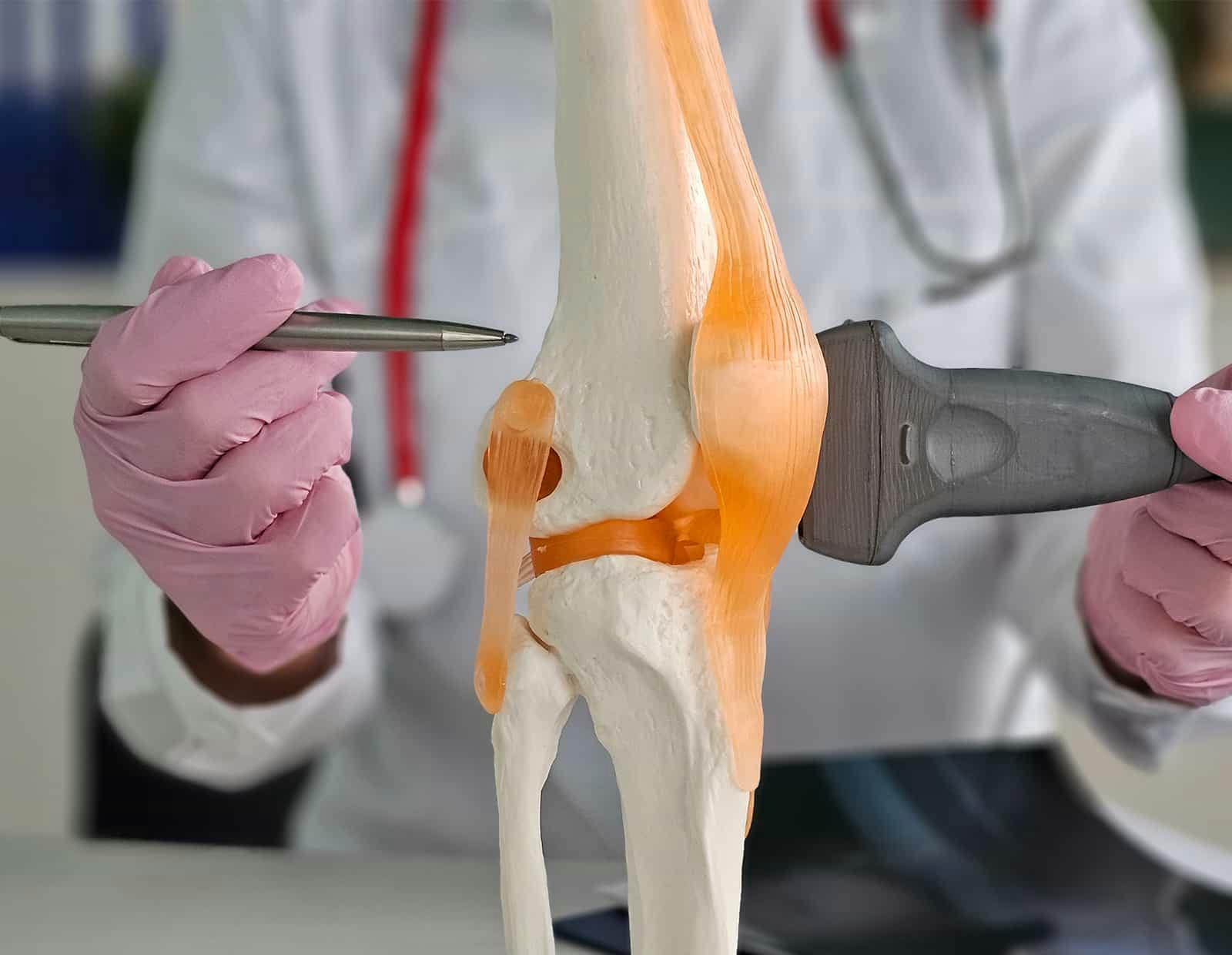
Facet joints are small, paired synovial joints located along the back of the spine at every vertebral level. They guide spinal movement, prevent excessive rotation, and contribute to overall stability. Like any joint in the body, they are vulnerable to degeneration, inflammation, and injury over time.
A facet joint injection places a combination of local anesthetic and corticosteroid directly into the affected joint capsule. The corticosteroid works to reduce inflammation and provide therapeutic pain relief.

The anesthetic component serves a diagnostic function: whether or not the patient experiences meaningful relief after the injection tells the clinical team something imaging cannot reliably determine on its own, whether the facet joint is genuinely the primary driver of the patient's symptoms. That combination of therapeutic and diagnostic value is what makes facet joint injections particularly useful in cases of chronic axial spinal pain where the source remains uncertain.

We’re here to help you move forward.

Contact Us

Where Can Facet Joint Injections Be Performed?

Facet joint degeneration can occur at any level of the spine. Our West Orange team performs injections across all three spinal regions based on the location of each patient's pain.

Cervical Facet Joint Injections

Cervical facet injections target the joints of the neck and are used for chronic axial neck pain as well as referred pain into the upper back and shoulders that originates from facet joint pathology rather than disc or nerve involvement. Cervical facet disease is responsible for a substantial share of chronic neck pain cases and is frequently overlooked as the primary source.

Thoracic Facet Joint Injections

Thoracic facet injections address the mid-spine and are appropriate for patients with upper or mid-back pain that can be traced to thoracic facet joint involvement. Though less commonly needed than cervical or lumbar injections, they can produce significant relief when the thoracic facets are confirmed as the pain source.

Lumbar Facet Joint Injections

Lumbar facet injections are among the most frequently performed spinal injections in clinical practice. They are used to treat lower back pain caused by facet joint arthritis, degeneration, or injury, particularly in patients whose pain is concentrated in the lower back, worsens with extension and rotation, and does not radiate prominently into the legs.

Conditions Treated With Facet Joint Injections

Facet joint injections are used to evaluate and treat spinal pain when the facet joints are identified as a likely or confirmed contributor to a patient's symptoms. Appropriate conditions include:

  • Facet joint arthropathy and osteoarthritis
  • Facet joint syndrome at any spinal level
  • Degenerative spondylosis with facet joint involvement
  • Spinal pain following injury, whiplash, or repetitive mechanical stress
  • Mechanical neck or back pain with a suspected facet origin
  • Spinal stenosis with a meaningful facet contribution to symptoms

Facet injections are typically considered after physical therapy and oral anti-inflammatory medications have been given a reasonable trial without sufficient relief.

Banner media

Are You a Candidate for Facet Joint Injections in West Orange?

Strong candidates typically present with moderate to severe axial spinal pain lasting three months or longer, imaging findings showing facet joint changes consistent with their symptoms, and a pain pattern characteristic of facet origin, centralized in the neck or back, aggravated by extension or lateral bending, and without significant radiation into the arms or legs. Facet injections are less appropriate when the primary driver of pain appears to be nerve root compression, disc herniation, or another non-facet source, or when active infection, bleeding disorders, or medication contraindications are present. Our West Orange team will conduct a thorough clinical evaluation before recommending any injection, weighing the full picture rather than relying on imaging findings in isolation.

medical equipment

What to Expect From Facet Joint Injections in West Orange

Facet joint injections are straightforward outpatient procedures with minimal recovery time. Most patients complete the appointment within an hour and return to their normal routine the following day.

Before Your Procedure

Your consultation will cover your symptoms, imaging, and treatment history in detail. Our team will explain what the procedure involves, walk through what a positive or negative response means for your ongoing care, and provide clear pre-procedure instructions, including specific guidance for patients who take blood thinners or other relevant medications.

The Day of Your Procedure

You will lie face down on the procedure table while the injection site is prepared and numbed with a local anesthetic. Under fluoroscopic guidance, the needle is advanced precisely into the target facet joint, and the medication is delivered. The procedure is typically completed in under 30 minutes. Mild soreness at the injection site for a day or two following the procedure is normal and resolves on its own.

Recovery After Your Procedure

Most patients return to their regular activities the day after the injection. The anesthetic component provides prompt but short-lived relief, while the corticosteroid typically takes several days to reach its full anti-inflammatory effect. Many patients experience relief lasting anywhere from several weeks to several months. If the injection confirms the facet joint as the pain source but the relief achieved does not last, medial branch block injections and radiofrequency ablation may be discussed as a more durable long-term solution.

Doctor media

Why Choose Gerling Spine Care and Research Institute?

Chronic spinal pain that has not responded to standard treatment usually has a specific source that has not yet been properly identified. At Gerling Spine Care and Research Institute, that kind of diagnostic persistence is built into how our West Orange team approaches every case, combining the precision of interventional techniques with the broader clinical perspective that comes from managing spinal conditions across their full range of complexity. Patients who have tried injections elsewhere without clear answers will find a team at our West Orange location that is genuinely invested in finding the right one.

Facet Joint Injections Frequently Asked Questions

How is a facet joint injection different from an epidural injection?

An epidural injection places medication into the epidural space surrounding the spinal cord and targets nerve-related pain that typically radiates into the arms or legs. A facet joint injection delivers medication directly into the facet joint capsule. It is used for axial neck or back pain originating from those joints, pain that tends to stay local rather than traveling in a dermatomal pattern down the limbs. The two procedures address different anatomical sources of pain.

How can I tell if my pain is coming from the facet joints?

Facet-mediated pain is typically felt as axial neck or back pain that intensifies with spinal extension or rotation and does not produce prominent symptoms below the elbow or knee. It can be difficult to distinguish from other sources of spinal pain on clinical presentation alone, which is part of why a diagnostic facet injection using local anesthetic is considered one of the most reliable methods for confirming or ruling out the facet joints as the primary pain driver.

How many facet joint injections will I need?

Some patients find lasting relief from a single injection, while others benefit from a series of treatments. Standard guidelines cap injections at three per year at a given spinal level. When repeated injections confirm facet joint involvement but relief proves short-lived, radiofrequency ablation of the medial branch nerves is typically the next consideration, offering a more durable solution by interrupting the pain signal at its source.

What does it mean if the injection does not help?

A facet injection that produces little or no relief is still clinically informative. It suggests the facet joints are likely not the primary source of the patient's symptoms, which shifts the diagnostic focus accordingly. Our West Orange team will use that information to reassess the picture and identify what other structures or conditions may be responsible.

Does insurance cover facet joint injections?

Facet joint injections are generally covered by insurance, though prior authorization is commonly required before the procedure can be scheduled. Our West Orange team will work with you to ensure the necessary documentation is prepared and the authorization process is handled as smoothly as possible.

We're here to help you move forward.

Relief starts with quality orthopedic care. Contact us today to take the next step toward a more active, pain-free life.

Schedule Appointment (opens in a new tab)
Contact us media
Accessibility: If you are vision-impaired or have some other impairment covered by the Americans with Disabilities Act or a similar law, and you wish to discuss potential accommodations related to using this website, please contact our Accessibility Manager at 201-201-7246.
Contact Us