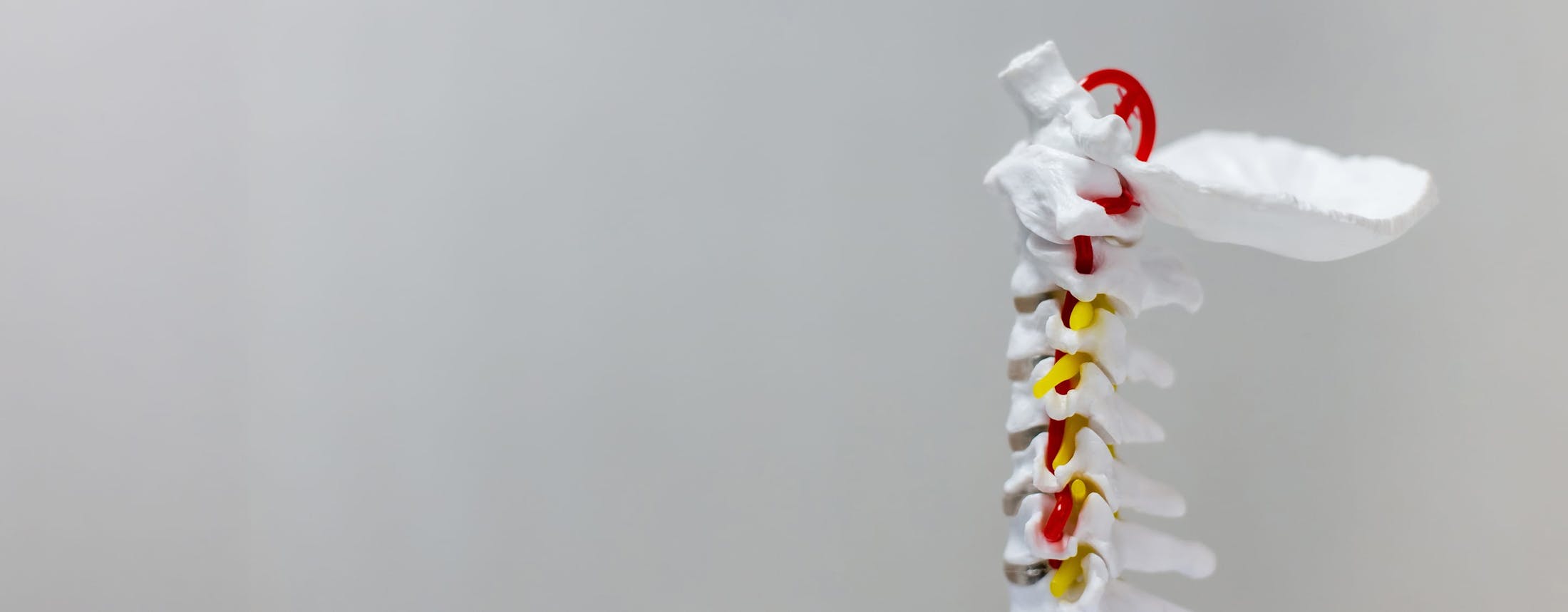
Gerling Spine Care and Research Institute in Bayonne, NJ, provides herniated disc treatment across the full range of care—from conservative management and targeted injections to advanced minimally invasive surgery—with every decision grounded in each patient's specific clinical picture.
Herniated Disc Treatment in Bayonne, NJ


The Pain Is Real, but So Are Your Options
Few spinal conditions produce symptoms as disabling as a herniated disc pressing against a nerve. The shooting pain, numbness, and weakness it causes can make even the most routine daily tasks feel out of reach. The encouraging reality is that most patients improve without surgery. For those who do need an operation, today's minimally invasive techniques have made the process faster and far less disruptive than it once was.
At Gerling Spine Care and Research Institute, patients at our Bayonne location receive a diagnosis-first evaluation that ensures every treatment recommendation is grounded in what the imaging and clinical picture actually show. Nothing more, nothing less. Reach out to our Bayonne office today to schedule a consultation and take the first step toward lasting relief.

How Herniated Disc Is Treated at Gerling Spine Care and Research Institute
The large majority of herniated disc cases respond well to non-surgical treatment. Surgery is reserved for patients who have not improved after an appropriate course of conservative care or who present with significant or progressive neurological deficits that require more prompt intervention.
Conservative Care
Conservative care is the right starting point for the large majority of herniated disc patients. Treatment typically begins with a period of activity modification to reduce nerve irritation, combined with anti-inflammatory medications and a structured physical therapy program aimed at rebuilding the muscular support around the affected spinal level. For most patients with cervical or lumbar disc herniation, this approach produces meaningful and often substantial improvement within six to twelve weeks.
Interventional Pain Management
When conservative care falls short, targeted injections can calm nerve inflammation and create the conditions for continued recovery. Options at our Bayonne location include epidural steroid injections to reduce inflammation around the compressed nerve root, selective nerve root blocks to confirm which specific nerve is contributing to symptoms, and cervical or lumbar transforaminal injections for more precise delivery of anti-inflammatory medication to the affected level.
Regenerative Medicine
For patients whose disc herniation is occurring alongside early degenerative disc disease, addressing the underlying biology—rather than just managing the acute nerve symptoms—may be an important part of the long-term picture. Regenerative options, including platelet-rich plasma injections and disk cell and scaffold treatment, may be appropriate in these cases and will be discussed as part of a broader management strategy during your consultation.
Minimally Invasive and Surgical Treatment
Surgery is considered when non-surgical treatment has not produced adequate improvement after a reasonable trial, or when neurological deficits are significant or continuing to progress. The specific approach depends on where the herniation is located and the details of the patient's anatomy. For lumbar herniations, minimally invasive lumbar discectomy removes the offending fragment through a small incision, with most patients experiencing rapid relief of radiating symptoms. Endoscopic discectomy is available for patients who are appropriate candidates and prefer an even less invasive option. For cervical herniations, ACDF is the most frequently performed procedure. Artificial Cervical Disc Replacement offers a motion-preserving alternative for eligible patients, and endoscopic approaches are available in select cases.

Are You a Candidate for Herniated Disc Treatment in Bayonne?
If you are experiencing back or neck pain alongside radiating arm or leg symptoms, numbness, tingling, or weakness, a formal evaluation at our Bayonne location is appropriate. Getting assessed early improves the accuracy of diagnosis, allows treatment to begin at the right stage, and ensures any neurological changes are identified and monitored before they have the chance to progress. Surgical candidacy is evaluated on an individual basis, taking into account the location and nature of the herniation, how long symptoms have been present, what prior treatment has been attempted, and what the imaging shows. Our Bayonne team will walk you through the findings and give you a straight, honest assessment of where things stand.

Why Choose Gerling Spine Care and Research Institute?
Treating a herniated disc well comes down to sequencing: the right conservative care first, a targeted interventional step when needed, and surgery only when it is genuinely the best option, performed with the least invasive technique appropriate for that patient. Our Bayonne team brings both the clinical judgment and the technical depth that kind of sequencing requires, backed by published outcomes in minimally invasive spine surgery and more than 300 peer-reviewed publications across the institute.
Herniated Disc Treatment in Bayonne Frequently Asked Questions
Can a herniated disc heal without treatment?
Often, yes. The body has a genuine capacity to reabsorb herniated disc material over weeks to months, and the nerve inflammation that drives the most acute symptoms frequently settles as that process unfolds. A trial of conservative care is appropriate for most patients before anything more invasive is considered. The exception is when neurological symptoms are significant or getting worse; in those cases, closer monitoring and earlier specialist involvement are warranted rather than a wait-and-see approach.
How long does recovery from a herniated disc typically take?
Most patients with cervical or lumbar disc herniation see meaningful improvement within six to twelve weeks of beginning conservative treatment, though some cases take longer. Patients who undergo minimally invasive discectomy often notice significant relief from radiating symptoms within the first few days following surgery.
What is the difference between a herniated disc and a bulging disc?
A bulging disc means the outer wall has expanded beyond its normal boundary while remaining intact. A herniated disc means the inner material has actually broken through the outer wall. Herniations tend to be more likely to cause significant nerve compression, though both can produce symptoms depending on their size and proximity to neural structures.
Will I need surgery for a herniated disc?
The majority of herniated disc patients recover without surgery. Conservative management resolves symptoms for most people when given adequate time and appropriate support. Surgery enters the picture when that conservative trial has not produced meaningful improvement, when neurological symptoms are significant or worsening, or when the imaging findings and clinical picture clearly indicate that a structural problem is not going to resolve on its own. Our Bayonne team will give you a direct, evidence-based answer about whether surgery is genuinely warranted for your situation.
What gives patients the best chance at a fast recovery?
Staying appropriately active, starting physical therapy early, and using anti-inflammatory medications as directed give most herniated disc patients the strongest foundation for recovery. Extended rest without movement tends to slow things down rather than speed them up. For the subset of patients who do need surgery, minimally invasive discectomy delivers some of the most rapid symptom relief of any spine procedure. Many patients notice a significant reduction in radiating pain within the first several days after the operation.