Structural Problems Need Structural Solutions

Lumbar instability, vertebral slippage, and advanced disc degeneration share one important characteristic: they do not resolve on their own once they reach a certain threshold. Time and conservative treatment can manage symptoms for a period, but when that period has passed without adequate relief, continuing down the same road produces diminishing returns. Posterior lumbar fusion offers a well-established, reliable path to lasting stability for patients who have reached that point.

At Gerling Spine Care and Research Institute, our Bayonne team brings minimally invasive precision and genuine research expertise to every posterior lumbar fusion case, ensuring that when surgery is recommended, it is for the right reasons and performed the right way. Contact our Bayonne office today to find out whether posterior lumbar fusion is the right solution for your condition.

What Is Posterior Lumbar Fusion?

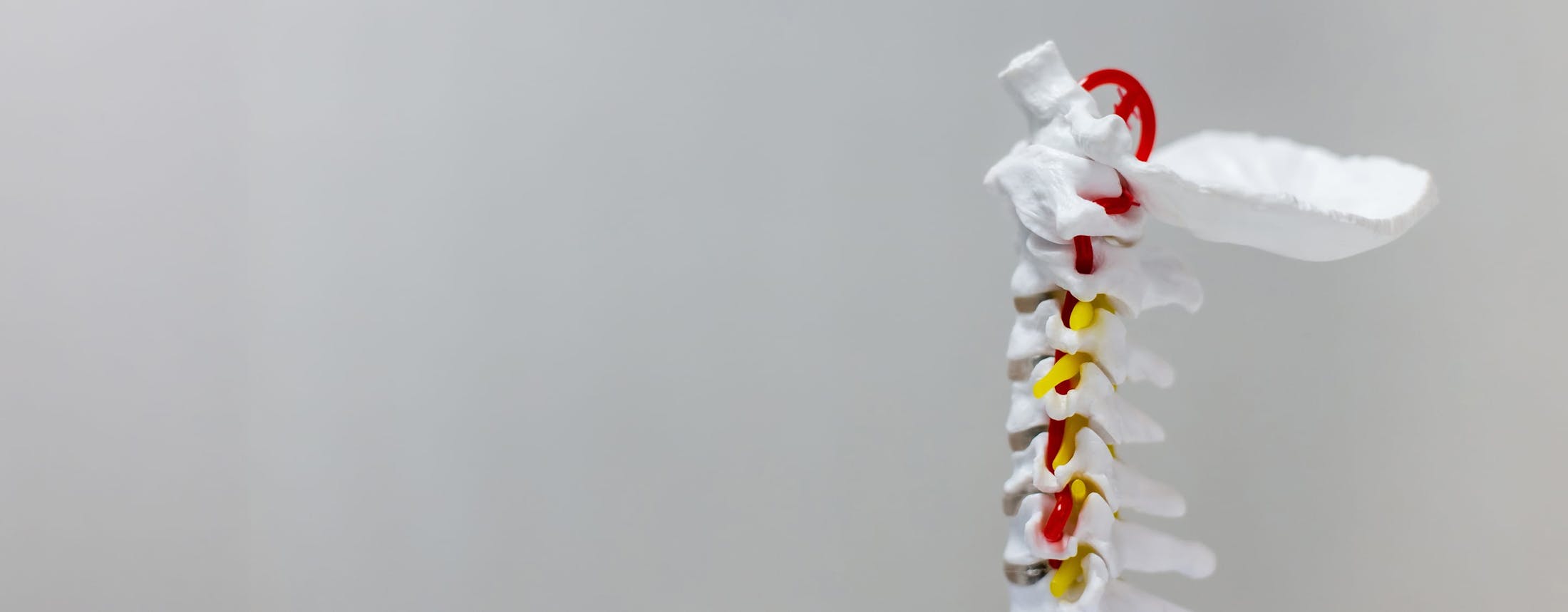
The posterior approach to lumbar fusion works from the back of the body, giving the surgeon direct access to the vertebrae, the spinal canal, and the posterior elements of the spine in a single surgical corridor. Pedicle screws are anchored into the vertebral bodies on both sides and linked by rods that set and hold the spine in its correct alignment. Bone graft, either harvested from the patient, sourced from a bone bank, or a combination of both, is packed alongside the instrumented levels, where it triggers a biological process that gradually replaces it with living bone, bridging the vertebrae together permanently.

PLIF and TLIF: Adding Interbody Support

In many posterior lumbar fusion cases, an interbody cage packed with bone graft is also placed directly into the disc space to restore the disc height that degeneration has lost, improve overall spinal alignment, and increase fusion rates. When this interbody component is added through a posterior approach, the procedure is referred to as PLIF, Posterior Lumbar Interbody Fusion, or TLIF, Transforaminal Lumbar Interbody Fusion, depending on the trajectory used to access the disc space. PLIF approaches the disc from both sides of the midline; TLIF enters through one side via the foramen, which requires less nerve retraction. Both are effective, and the choice between them is dictated by the patient's anatomy and the specific goals of the surgery.

Minimally Invasive Technique

Applying minimally invasive principles to posterior lumbar fusion changes the recovery experience in ways patients notice immediately. Smaller incisions and muscle-sparing retraction techniques mean the soft tissue surrounding the fusion site heals alongside it rather than recovering from its own separate trauma. The result is a lower post-operative pain burden, less blood loss during surgery, and a hospital stay that is as short as the clinical situation allows. Our surgical team's track record includes some of the shortest hospital stays in the NYU system, not as a point of pride, but as a measurable reflection of what this approach consistently delivers.


We’re here to help you move forward.

Contact Us
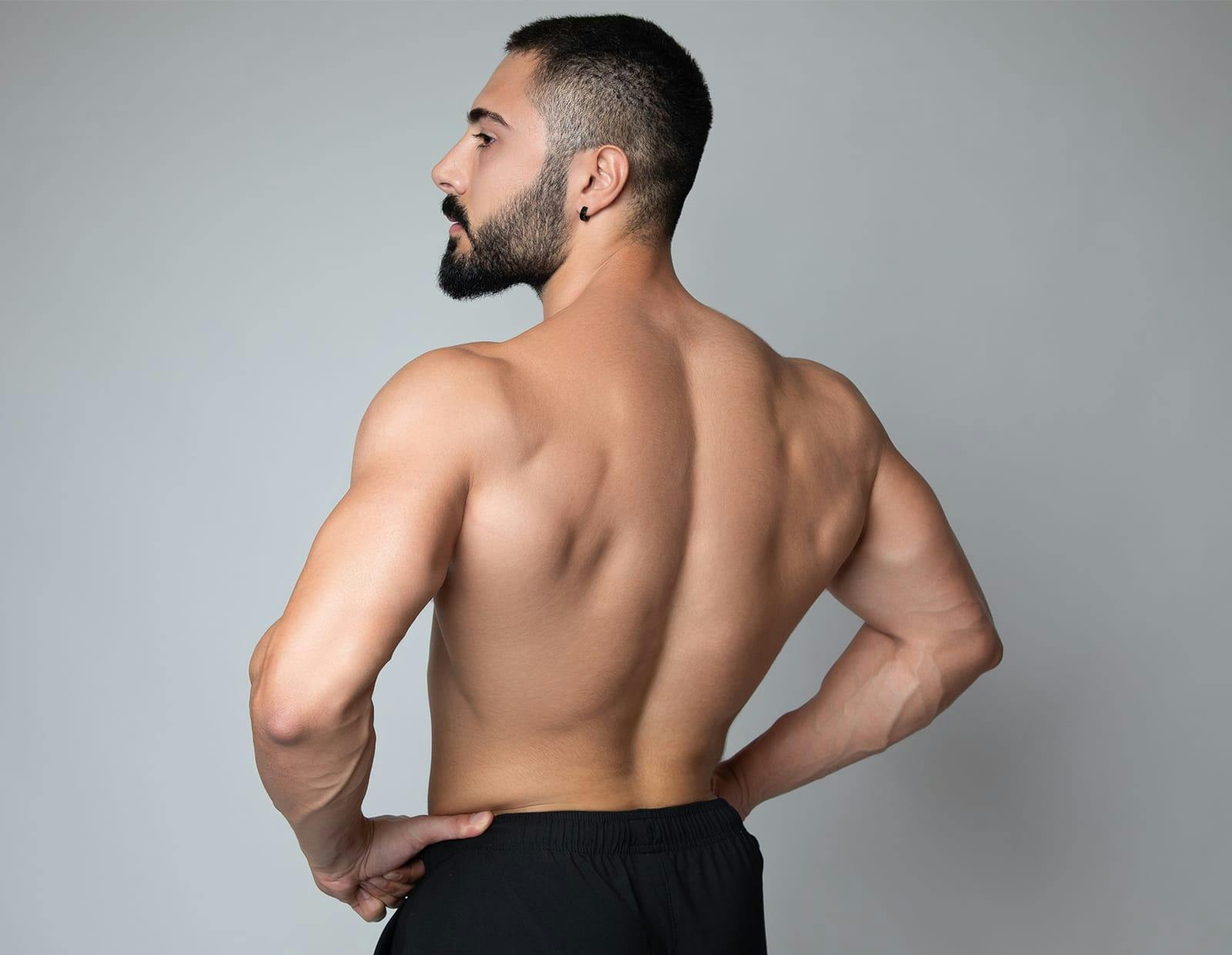
Man's back

Conditions Treated With Posterior Lumbar Fusion

Posterior lumbar fusion is appropriate across a broad range of lumbar conditions where instability, deformity, or painful disc-level motion is a central part of the problem, including:

  • Spondylolisthesis, causing chronic back and leg pain
  • Lumbar spinal stenosis with associated instability
  • Degenerative disc disease producing disabling axial back pain
  • Degenerative lumbar scoliosis or spinal deformity
  • Lumbar fractures or trauma requiring stabilization
  • Revision surgery following failed prior lumbar procedures
  • Adjacent segment degeneration following earlier lumbar fusion

Are You a Candidate for Posterior Lumbar Fusion in Bayonne?

The starting point for candidacy is a clear structural problem on imaging that explains the patient's symptoms — instability, slippage, degeneration, or deformity that has not responded to a genuine and sustained effort at conservative management. Beyond that, the posterior approach is particularly appropriate when the pathology involves the posterior elements of the spine, when multiple levels need to be addressed together, or when prior abdominal or retroperitoneal surgery makes a lateral or anterior approach impractical. Revision cases for patients who have had prior lumbar surgery that needs to be corrected or extended also frequently require a posterior approach. Bone density, overall medical health, smoking history, and the number of levels involved all factor into both the decision to operate and the specifics of how the surgery is planned. Our Bayonne team evaluates all of these variables before making any recommendations.

Banner media

What to Expect From Posterior Lumbar Fusion in Bayonne

Before Your Procedure

The preoperative consultation at our Bayonne location is not a formality. Our surgeons go through your imaging in detail, explaining specifically what they see and how it translates into a surgical plan. The reasoning behind choosing a posterior approach over lateral or anterior alternatives is discussed directly, along with the interbody component decision — whether PLIF, TLIF, or posterior stabilization alone is most appropriate for your anatomy. You will leave that appointment with a clear, honest picture of what the surgery involves, what recovery demands, and what outcomes are realistic for your specific situation.

The Day of Your Procedure

The procedure is performed under general anesthesia, with operating time varying based on the number of levels being fused and whether interbody fusion is performed alongside posterior stabilization. Most patients remain in the hospital for one to three days. Our focus on minimally invasive techniques and operating room efficiency is specifically aimed at reducing time under anesthesia and setting recovery up for the smoothest possible start.

Recovery After Your Procedure

Recovery from posterior lumbar fusion is a process with several distinct phases. The first few weeks are focused on managing surgical soreness, protecting the fusion site, and beginning carefully supervised movement. Physical therapy typically starts within the first few weeks and progressively builds in intensity as healing allows, targeting the core and lumbar stabilizers that support the fused levels long-term. The functional milestones—like returning to desk work, resuming driving, and getting back to physical activity—arrive at different points for different patients depending on the scope of the surgery and individual healing factors. Solid fusion confirmed by imaging is the final milestone, and it generally arrives somewhere between six and twelve months after surgery, occasionally later for multilevel cases.

Doctor media

Why Choose Gerling Spine Care and Research Institute?

The decisions made before and during a posterior lumbar fusion matter as much as the technical execution of the procedure itself. Which levels to include, whether interbody support is genuinely necessary, how to manage adjacent segment risk, and how to sequence decompression and stabilization are all judgment calls that experienced surgeons make differently than less experienced ones — and the outcomes reflect it. At Gerling Spine Care and Research Institute, our Bayonne team brings the analytical depth those decisions require, built on a career of focused lumbar spine practice and a research program with more than 300 peer-reviewed publications behind it.

Posterior Lumbar Fusion Frequently Asked Questions

What is the difference between PLIF and TLIF?

Both add an interbody cage to a posterior lumbar fusion construct, but they access the disc space from different angles. PLIF enters from both sides of the midline, providing bilateral disc space access but requiring more retraction of the nerve roots. TLIF enters from one side through the foramen, reducing the degree of nerve manipulation required. Both produce effective interbody fusion; the choice between them comes down to the patient's anatomy and what the surgery needs to accomplish at each specific level.

How does posterior lumbar fusion compare to LLIF?

LLIF preserves the back muscles entirely by approaching from the side of the body, which generally produces less post-operative pain and a faster early recovery. Posterior fusion involves some degree of posterior muscle retraction but offers greater versatility; it can be used across all lumbar levels, allows for direct posterior decompression, and is often the only viable option for revision cases or patients with prior abdominal surgery. Neither approach is universally superior; the right choice depends on the patient's specific anatomy, pathology, and surgical history.

Will fusion affect my ability to move and bend normally?

The honest answer is yes, to a degree that depends on how many levels are fused. A single-level fusion produces a modest reduction in lumbar range of motion that most patients adapt to without significant lifestyle impact. Multi-level fusion has a more meaningful cumulative effect on flexibility — bending, twisting, and certain physical activities become more limited. Most patients in this category find that the elimination of pain and instability makes that trade-off clearly worthwhile. Still, our Bayonne team will be specific and straightforward about what to expect for your particular situation rather than offering a generic reassurance.

How long does the full recovery process take?

Recovery unfolds on a timeline that varies based on the number of levels fused, whether interbody support was added, the patient's age and overall health, and how closely they follow the post-operative physical therapy program. As a general framework, most patients are functional and managing light activities within two to four weeks, returning to office work within four to six weeks, and resuming more physically demanding activities somewhere between three and six months post-surgery. Biological fusion—the point at which imaging confirms solid bone bridging—arrives at six to twelve months in most cases, sometimes later. Our team follows that process at every stage with regular clinical and imaging follow-up.

What factors affect whether the fusion heals properly?

The biology of bone fusion can be supported or undermined by a range of patient-specific factors. Smoking is the most impactful modifiable risk as it significantly reduces blood flow to healing bone and is associated with substantially higher rates of failed fusion. Poorly controlled diabetes, obesity, osteoporosis, and nutritional deficiencies all contribute as well. The number of levels being fused also matters; each additional level adds complexity to the biological process. Our Bayonne team addresses all of these factors proactively, identifying them during the preoperative evaluation, recommending modifications where possible, and incorporating them into the surgical plan and post-operative monitoring strategy.

We're here to help you move forward.

Relief starts with quality orthopedic care. Contact us today to take the next step toward a more active, pain-free life.

Schedule Appointment (opens in a new tab)
Contact us media
Accessibility: If you are vision-impaired or have some other impairment covered by the Americans with Disabilities Act or a similar law, and you wish to discuss potential accommodations related to using this website, please contact our Accessibility Manager at 201-201-7246.
Contact Us