Spinal Stenosis Doesn't Announce Itself All at Once—It Takes Things Away Gradually

For most patients, spinal stenosis does not arrive as a sudden crisis. It accumulates: a shorter walking distance, more time needed to rest, and activities that used to be effortless become reliably painful. By the time many patients reach a specialist, they have already significantly reorganized their lives around what the stenosis will allow. Surgery does not just relieve pain; for these patients, it restores the functional independence that has been quietly slipping away.

At Gerling Spine Care and Research Institute, our Bayonne team brings the full spectrum of decompression options to every stenosis case, with the clinical judgment to select and execute the right one for each patient's specific anatomy and condition. Contact our Bayonne office today to find out whether spinal stenosis surgery is the right next step for you.

What Is Spinal Stenosis?

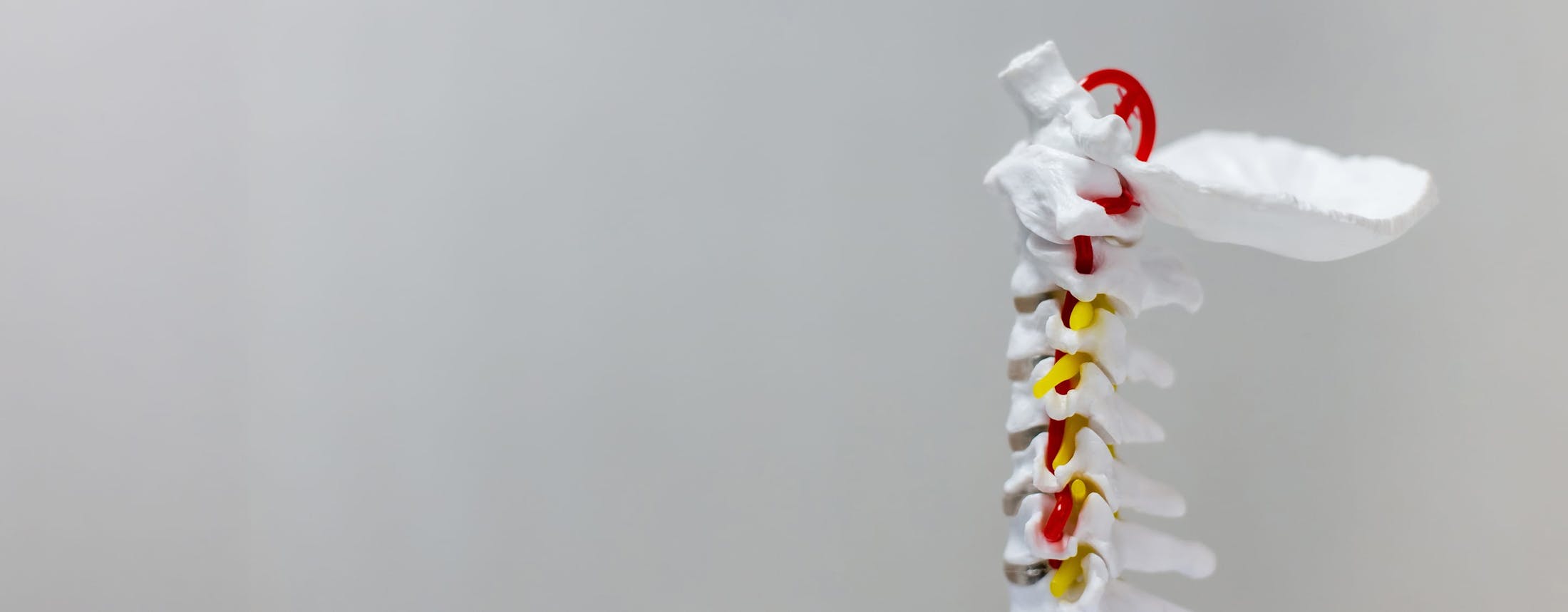
The spinal canal is a bony channel running through the vertebrae that houses and protects the spinal cord and nerve roots as they travel from the brain to the rest of the body. When that channel narrows—whether from thickened ligaments, arthritic bone spurs, bulging discs, or vertebral slippage—the structures inside it run out of room. The pressure that results is what produces the symptoms patients experience as spinal stenosis, and where those symptoms show up in the body depends entirely on where in the spine the narrowing is occurring.

Lumbar Stenosis

Lumbar stenosis compresses the nerve roots of the lower spine, producing the characteristic symptom pattern known as neurogenic claudication: leg pain, cramping, heaviness, or weakness that builds with walking or prolonged standing and relieves with sitting or leaning forward. The forward flexion posture opens the canal slightly, which is why patients instinctively lean on shopping carts or walk slightly bent — the posture is not a habit, it is a mechanical response to the narrowing.

Cervical Stenosis

Cervical stenosis narrows the canal in the neck, where the spinal cord itself passes through. When compression reaches the cord rather than just individual nerve roots, the condition is called myelopathy — a more serious presentation that can affect arm and hand function, balance, coordination, and, in advanced cases, bladder control. Unlike lumbar stenosis, cervical myelopathy often warrants earlier surgical consideration because the spinal cord, unlike nerve roots, has limited capacity for recovery once it has been damaged.

We’re here to help you move forward.

Contact Us
Medical professional examining patient’s upper spine with hands

What Causes Spinal Stenosis?

In the vast majority of patients, stenosis is the cumulative product of decades of spinal wear rather than any single identifiable event. Several degenerative processes typically converge simultaneously: the ligamentum flavum stiffens and buckles inward, facet joints enlarge as arthritis sets in, discs lose height and bulge outward, and in some patients, vertebral slippage adds further canal compromise on top of everything else. Each of these changes individually might produce only mild narrowing; together, they can reduce the available space for neural structures to the point where symptoms become unavoidable. Patients born with a naturally narrow canal reach that threshold sooner than others, which is why some people develop significant stenosis symptoms earlier than their degree of degeneration alone would predict.


When Is Surgery Needed for Spinal Stenosis?

The path to surgical consideration for spinal stenosis is almost always gradual. Physical therapy, activity modification, anti-inflammatory medications, and epidural steroid injections form the foundation of initial management and keep the majority of stenosis patients functioning adequately without surgery, sometimes for years.

The conversation shifts when those measures stop working, when the walking distance keeps shrinking, when injections that once lasted months now last weeks, or when leg weakness begins progressing in a way that raises concern about permanent neurological change. Cervical myelopathy occupies a different category. 

Once the spinal cord itself is compressed rather than individual nerve roots, the window for conservative management narrows considerably. The spinal cord does not recover from significant compression the way nerve roots do, and allowing myelopathy to progress while waiting for conservative care to work is a risk that often does not serve the patient well.

Surgical Options for Spinal Stenosis

The right procedure depends on where the stenosis is located, how extensive it is, whether instability is present alongside the narrowing, and the patient's overall anatomy and health. Our Bayonne team is experienced across the full range of the following approaches.

Laminectomy

Laminectomy is the most frequently performed surgical procedure for spinal stenosis and the one with the longest clinical track record. It removes the lamina, the bony roof of the spinal canal, at the affected levels, directly enlarging the space the neural structures occupy. The procedure is effective across both lumbar and cervical stenosis. At our Bayonne location, it is performed using minimally invasive techniques wherever the anatomy supports them, achieving the same decompressive result with considerably less disruption to the surrounding tissue.

Laminoplasty

For patients with stenosis spanning multiple cervical levels, laminoplasty offers a way to decompress the spinal cord without fusing a single level. The lamina is cut, hinged open, and held in its expanded position with small implants, permanently enlarging the canal while leaving the posterior bony structure of the spine intact. For a patient who would otherwise need three, four, or five levels fused to achieve adequate decompression, the preservation of cervical mobility that laminoplasty offers is a clinically meaningful advantage.

Foraminotomy

Some patients' stenosis is concentrated not in the central canal but in the foramina, the narrow openings on each side of the vertebrae through which individual nerve roots exit the spine. When foraminal narrowing is the primary driver of symptoms, a foraminotomy targets those openings specifically, removing the bone and tissue compressing the nerve root at that location. It is a precise, targeted procedure that is frequently performed in combination with a laminectomy and adapts well to a minimally invasive technique.

Spinal Fusion

Stenosis and instability frequently coexist, and when they do, decompression without stabilization is an incomplete solution. Removing the tissue causing compression while leaving the underlying instability unaddressed allows the vertebrae to continue shifting, often producing symptom recurrence and sometimes requiring a second surgery. When meaningful instability or spondylolisthesis is confirmed on preoperative imaging, fusion is incorporated into the surgical plan from the start, addressing both problems in a single procedure rather than sequentially.

Minimally Invasive and Endoscopic Approaches

Wherever anatomy and the extent of the surgery permit, our Bayonne team uses minimally invasive and endoscopic techniques, achieving the same decompressive goals through smaller incisions with meaningfully less muscle disruption, lower blood loss, and a faster return to daily activity than traditional open approaches.

Background media

Are You a Candidate for Spinal Stenosis Surgery in Bayonne?

The clearest candidates for spinal stenosis surgery are patients whose imaging findings match their symptoms closely, whose conservative treatment has been genuine and sustained rather than cursory, and whose quality of life or neurological status has deteriorated to the point where the expected benefit of surgery clearly outweighs its risks. That last judgment call, weighing benefit against risk for a specific individual, is where the preoperative evaluation does its most important work.

Medical comorbidities, including cardiovascular disease, diabetes, and osteoporosis, do not automatically disqualify a patient but do factor meaningfully into surgical planning and the selection of technique. Our Bayonne team evaluates all of these variables carefully before arriving at any recommendation.

sitting area

What to Expect From Spinal Stenosis Surgery in Bayonne

Before Your Procedure

The preoperative consultation at our Bayonne location goes beyond reviewing imaging and explaining the procedure. Our surgeons spend time establishing that what the scan shows actually explains what the patient is experiencing, because surgery that addresses the imaging finding rather than the clinical problem does not produce the outcomes patients are hoping for. That correlation between imaging and symptoms is something our team verifies carefully before recommending any procedure.

The Day of Your Procedure

Procedure length and approach vary based on the type and extent of surgery being performed. Minimally invasive decompression-only procedures may allow for same-day discharge. Cases involving fusion or multiple levels typically require a one-to-three-day hospital stay. Our focus on operating room efficiency and minimally invasive techniques is specifically aimed at reducing time under anesthesia and making the transition to recovery as smooth as possible.

Recovery After Your Procedure

Walking is encouraged within 24 hours of surgery for most patients. Return to light activities typically follows within two to six weeks, depending on the procedure performed, with more complex cases requiring longer timelines. Physical therapy is a central component of recovery, progressively rebuilding the strength, walking function, and mobility that stenosis had been eroding. Our Bayonne team provides a detailed post-operative plan and follows your progress closely throughout.

Doctor media

Why Choose Gerling Spine Care and Research Institute?

The most important judgment call in spinal stenosis surgery is not how to perform the procedure; it is which procedure to perform, and whether to add fusion to decompression. Getting that decision right requires a team that has seen enough of these cases to recognize the variables that matter and weigh them accurately. At Gerling Spine Care and Research Institute, our Bayonne team brings that depth of experience to every stenosis case, backed by more than 300 peer-reviewed publications and active leadership in NASS, CSRS, and LSRS.

Spinal Stenosis Surgery Frequently Asked Questions

Can stenosis return after surgery?

Surgery permanently addresses the specific narrowing that was treated, but the underlying biological process that caused it, degenerative change, does not stop. Adjacent levels can develop their own narrowing over time, and in some cases, scar tissue at the treated site contributes to recurrent symptoms years down the line. Neither of these outcomes is inevitable, and both can be influenced by how well the patient maintains their physical conditioning and spinal health after surgery. Our Bayonne team discusses the realistic long-term picture honestly during your consultation.

Is spinal stenosis surgery a realistic option for older patients?

Age alone is not a disqualifying factor. The research on stenosis surgery in older patients consistently supports meaningful functional improvement. For many elderly patients, the ability to walk further, stand longer, and live more independently is among the most significant quality-of-life gains surgery can produce. What determines candidacy is overall health, cardiovascular fitness, and an honest assessment of whether the expected benefits are proportionate to the individual's risk profile.

How is the decision made between decompression alone and adding fusion?

The decision hinges on stability. A spine that is compressed but structurally stable can generally be treated with decompression alone, removing the tissue causing the problem without needing to fix the vertebrae rigidly in place. A spine that is both compressed and unstable requires both components, because relieving the compression while leaving the instability unaddressed tends to produce a predictable pattern of progressive worsening. The presence and degree of spondylolisthesis on imaging, combined with dynamic X-rays that assess how much movement exists at the affected levels, provides the information needed to make that determination accurately.

How durable are the results of spinal stenosis surgery?

Most patients experience lasting improvement in the specific symptoms that surgery addressed. Long-term outcomes depend on the overall health of the spine, how closely the patient follows the post-operative physical therapy program, and whether degeneration continues to develop at adjacent levels over time. Your Bayonne surgeon will discuss what is realistic for your specific anatomy and how to maximize the durability of your result.

Will I need physical therapy after spinal stenosis surgery?

Physical therapy after spinal stenosis surgery is not optional, but a core part of what makes the surgery work over the long term. Decompression relieves the pressure on the neural structures; physical therapy rebuilds the muscular infrastructure around the decompressed spine that supports it going forward. Patients who engage seriously with post-operative physical therapy consistently achieve better functional outcomes than those who do not, and our Bayonne team structures the rehab program around each patient's specific procedure and recovery trajectory.

We're here to help you move forward.

Relief starts with quality orthopedic care. Contact us today to take the next step toward a more active, pain-free life.

Schedule Appointment (opens in a new tab)
Contact us media
Accessibility: If you are vision-impaired or have some other impairment covered by the Americans with Disabilities Act or a similar law, and you wish to discuss potential accommodations related to using this website, please contact our Accessibility Manager at 201-201-7246.
Contact Us