The Path to the Spine Shapes the Entire Recovery

Two patients can undergo lumbar fusion for the same condition and have vastly different recovery experiences, not because of the fusion itself, but because of how the surgeon got there. The approach determines how much tissue is disturbed, how much blood is lost, how long the patient is hospitalized, and how quickly they get back to their life. For the right candidate, the lateral approach represents a meaningful step forward from the traditional posterior route.

At Gerling Spine Care and Research Institute, our Bayonne team brings genuine experience across the full spectrum of lumbar fusion techniques and the clinical judgment to recommend the one that actually fits each patient's condition rather than defaulting to a single familiar approach. Contact our Bayonne office today to find out whether LLIF is the right approach for your condition.

What Is Lateral Lumbar Interbody Fusion?

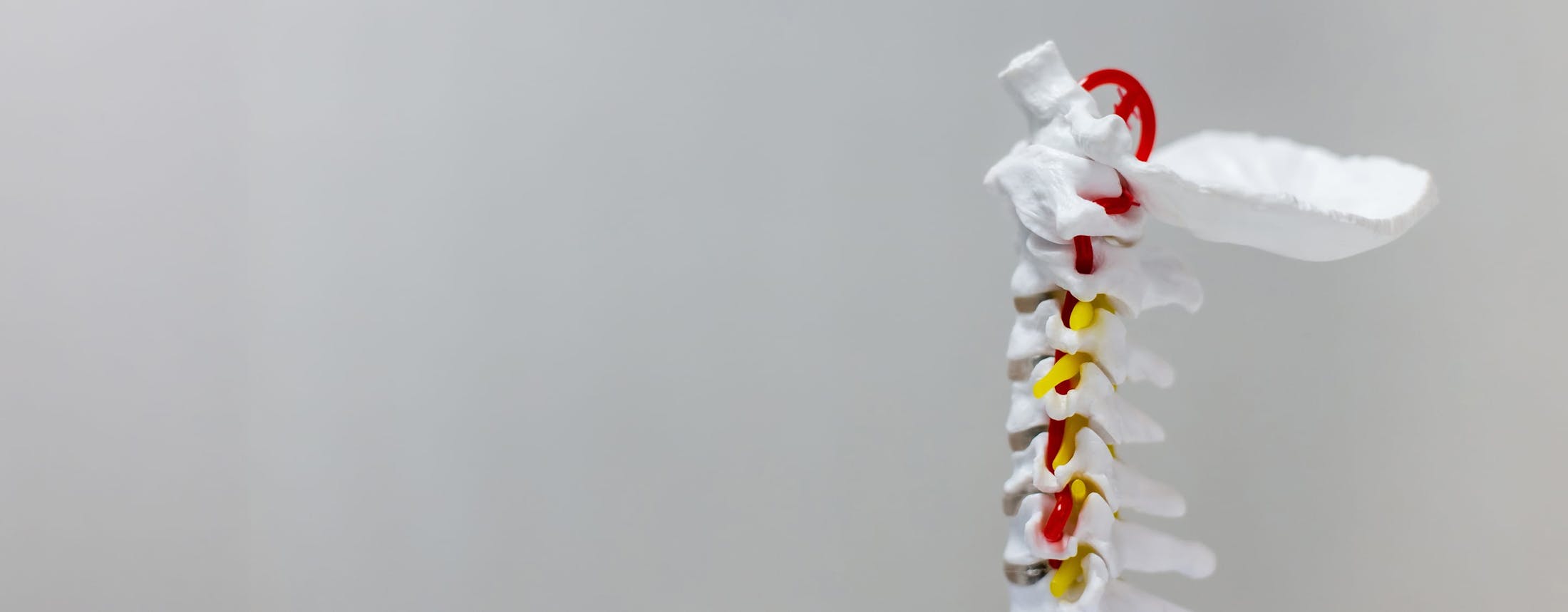
LLIF tackles lumbar disc degeneration from an entirely different direction than most patients expect. Rather than opening the back, the surgeon works through a small incision at the side of the waist, removing the damaged disc and placing a bone graft spacer in the cleared disc space. That spacer does several things at once: it rebuilds the collapsed disc height, reopens the foraminal channels that nerve roots pass through, and provides the structural environment the surrounding vertebrae need to grow together into a permanent, stable union.

How LLIF Works

Reaching the lumbar spine from the side requires navigating a narrow anatomical corridor that runs between the abdominal contents and the posterior musculature. Continuous electromyographic nerve monitoring is used throughout the approach to identify and protect the lumbar plexus nerves that occupy this region. Once the corridor is established and the disc space is exposed, the degenerated disc is removed, the vertebral endplates are carefully prepared, and a bone graft-filled spacer sized precisely for that patient's anatomy is placed into the disc space. The question of whether to add posterior fixation—pedicle screws and connecting rods inserted through a separate small incision at the back—is determined by how much instability is present at the treated levels and what the imaging shows about the surrounding bony and ligamentous structures. Some patients need it; others do not.

What Sets the Lateral Approach Apart

Traditional posterior lumbar fusion requires the surgeon to work through the back muscles to reach the disc space — retracting them, working around them, and leaving them to recover from that disruption postoperatively. That recovery is where a significant portion of posterior fusion pain and downtime originates. The lateral approach eliminates that variable. The back muscles are never touched, which means the post-operative pain profile is fundamentally different, and patients consistently notice it. Blood loss is lower, operative time is shorter, and the transition from hospital to home to light activity happens faster than most patients anticipate.

We’re here to help you move forward.

Contact Us
patient handing over paperwork

Conditions Treated With Lateral Lumbar Interbody Fusion

LLIF is used to address a range of degenerative and deformity-related lumbar conditions, including:

  • Lumbar degenerative disc disease
  • Lumbar spinal stenosis with foraminal or central narrowing
  • Spondylolisthesis with associated instability
  • Degenerative lumbar scoliosis and spinal deformity
  • Adjacent segment degeneration following prior lumbar surgery
  • Lumbar instability causing chronic back and leg pain

Conservative treatments, including physical therapy, medications, and injections, are typically explored thoroughly before LLIF is recommended.

Are You a Candidate for Lateral Lumbar Interbody Fusion in Bayonne?

The anatomical limits of LLIF are important to understand upfront. The lateral approach works well from L2 to L4 but cannot safely access L5-S1 due to the position of the iliac crest and the vascular anatomy at that level. Patients whose primary pathology sits at L5-S1 will need a different approach, like ALIF, TLIF, or a combination, and our Bayonne team will identify that during the preoperative evaluation rather than after the patient has already committed to a plan. Beyond anatomy, good candidates have clear imaging-symptom correlation, have worked through conservative treatment without achieving adequate relief, and do not have prior retroperitoneal surgery, severe osteoporosis, or anatomical variations that make the lateral corridor inaccessible. Each of these factors is assessed during a thorough preoperative consultation before any recommendation is made.

Banner media

What to Expect From Lateral Lumbar Interbody Fusion in Bayonne

Before Your Procedure

Your consultation will cover your symptoms, imaging, and treatment history in detail. Our surgeons explain the procedure and its rationale clearly, walk through every available alternative, and make sure all questions are answered before a surgical decision is finalized.

The Day of Your Procedure

The procedure is performed under general anesthesia and typically takes between one and a half to three hours, depending on the number of levels being treated. The incision is made at the side of the waist, and the entire approach is designed to minimize disruption to surrounding tissue. Most patients are discharged within one to two days following surgery.

Recovery After Your Procedure

The recovery experience after LLIF tends to surprise patients who have heard stories about lumbar fusion recovery from friends or family who underwent traditional posterior approaches. Without back muscle disruption in the picture, the early post-operative pain is meaningfully lower, and the progression from hospital discharge to functional independence happens on a compressed timeline. Most patients are managing light daily activities within two to four weeks. The deeper recovery, rebuilding core and lumbar stability, allowing the fusion to mature biologically, continues over the following months and is supported by a structured physical therapy program our Bayonne team designs and monitors throughout.

Doctor media

Why Choose Gerling Spine Care and Research Institute?

Lumbar fusion performed by a team that genuinely knows one technique well is a different thing from lumbar fusion performed by a team that knows all of them. The first produces a recommendation shaped by familiarity. The second produces one shaped by what the patient's specific anatomy, diagnosis, and lifestyle actually require. At Gerling Spine Care and Research Institute, our Bayonne surgeons are experienced across LLIF, TLIF, ALIF, and posterior fusion, which means when LLIF is recommended, it is because it is the right fit, not the most familiar path—more than 300 peer-reviewed publications back that clinical judgment.

Lateral Lumbar Interbody Fusion Frequently Asked Questions

What does interbody fusion actually mean?

Interbody refers to the space between two vertebral bodies, the location where the disc normally sits. Interbody fusion removes the degenerated disc from that space and replaces it with a bone graft spacer. Over time, bone grows through and around the graft, permanently joining the two vertebrae into a single stable unit and eliminating the painful motion at that level.

Is LLIF the same as XLIF or DLIF?

Functionally, yes. XLIF and DLIF are trade names used by different device manufacturers to describe the same fundamental lateral approach to interbody fusion. The surgical corridor, technique, and clinical goals are essentially identical; the naming difference is commercial rather than clinical.

How does LLIF differ from posterior lumbar fusion approaches?

The difference comes down to what the recovery is recovering from. Posterior fusion disturbs the back muscles to reach the spine, and those muscles have to heal alongside the fusion itself, contributing significantly to post-operative pain and the length of the recovery period. LLIF reaches the disc space without touching the back muscles at all, which removes that layer of tissue trauma from the equation. For appropriate candidates, this produces a qualitatively different recovery experience — faster, less painful, and with fewer activity restrictions in the early weeks.

Will I need screws and rods in addition to the spacer?

Not always. Some patients achieve adequate stability with the interbody spacer alone. Others require supplemental posterior fixation—screws and rods placed through a separate small incision—to ensure proper alignment and provide additional structural support during the fusion process. Whether you need it depends on the degree of instability present and the specific levels being treated, which your surgeon will evaluate during preoperative planning.

How long does it take for the fusion to become solid?

Solid fusion is a biological process that cannot be rushed. Most patients feel meaningfully better, often significantly so, well before imaging confirms complete union. Radiographic evidence of solid fusion typically appears at six to twelve months, sometimes longer, depending on the number of levels involved and individual healing factors. Our team monitors your progress with appropriate imaging throughout that window.

We're here to help you move forward.

Relief starts with quality orthopedic care. Contact us today to take the next step toward a more active, pain-free life.

Schedule Appointment (opens in a new tab)
Contact us media
Accessibility: If you are vision-impaired or have some other impairment covered by the Americans with Disabilities Act or a similar law, and you wish to discuss potential accommodations related to using this website, please contact our Accessibility Manager at 201-201-7246.
Contact Us