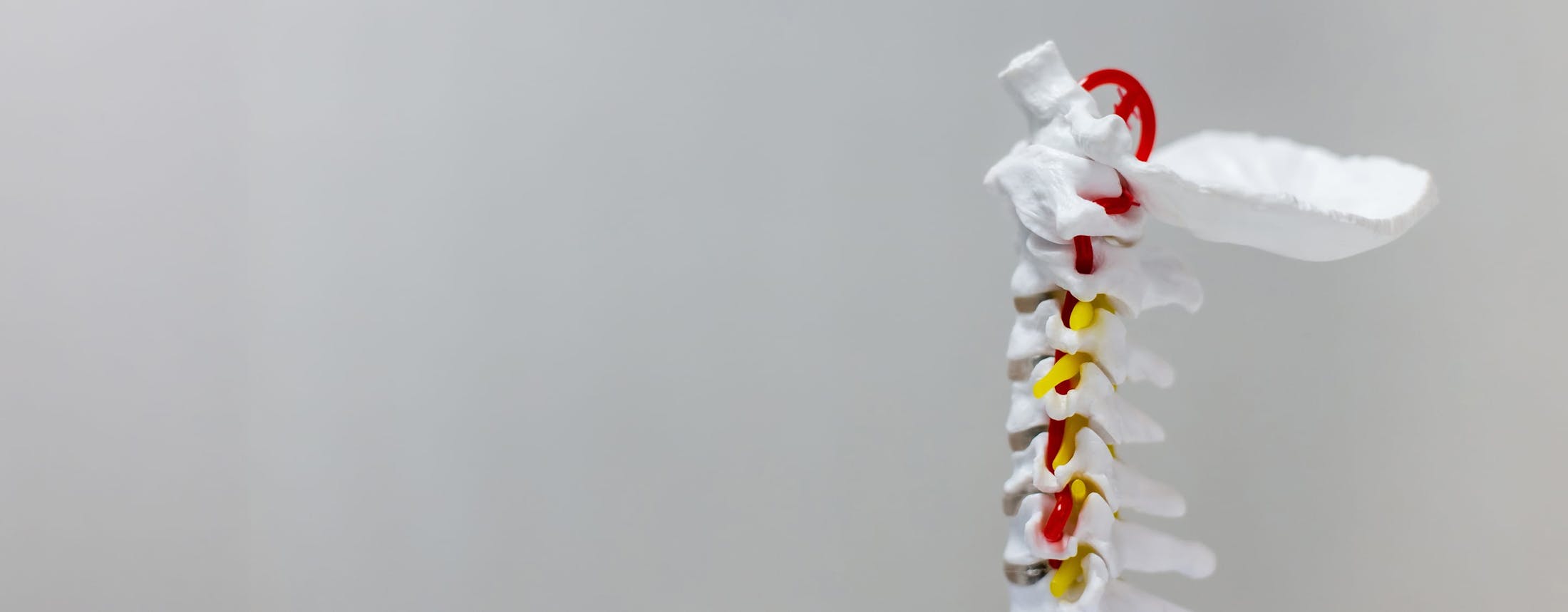
Herniated disc treatment at our Queens, NY location offers a precise, individualized path to relief, from conservative care and targeted injections to minimally invasive surgery when it is truly needed.
Herniated Disc Treatment in Queens

A Herniated Disc Is a Structural Problem That Deserves a Structural Answer
Few spinal conditions produce more disabling symptoms than a herniated disc pressing on a nerve. The radiating pain, numbness, and weakness it causes can make even ordinary tasks feel impossible. At Gerling Spine Care and Research Institute, Queens patients receive a thorough evaluation, an accurate diagnosis, and a treatment plan built around the specific characteristics of their herniation — not a one-size-fits-all approach.
Contact our Queens office today to schedule a consultation and take the first step toward meaningful relief.
What Is a Herniated Disc?
An intervertebral disc is composed of two parts: a tough fibrous outer layer called the annulus fibrosus, and a soft, gel-like inner core called the nucleus pulposus. When the outer layer weakens or tears, the inner material can bulge or rupture outward. If this herniated material presses against a nearby nerve root or the spinal cord, it produces the pain, numbness, and weakness characteristic of disc herniation. Herniated discs most commonly occur in the lumbar spine (lower back) and the cervical spine (neck). Thoracic herniation, affecting the mid-back, is less common but can also occur.

Symptoms of a Herniated Disc
Symptoms vary depending on the location of the herniation and which nerve structures are affected.
Lumbar Herniated Disc Symptoms
Lumbar disc herniation most commonly causes sciatica: sharp, radiating pain that travels from the lower back through the buttock and down one leg, often accompanied by numbness, tingling, or weakness in the leg or foot. Some patients experience primarily lower back pain, while others have leg symptoms predominantly with little back pain.
Cervical Herniated Disc Symptoms
Cervical disc herniation typically causes neck pain combined with radiating pain, numbness, or weakness in the shoulder, arm, or hand. In cases where the spinal cord is compressed rather than just a nerve root, symptoms may include coordination problems, difficulty with fine motor tasks, and, in severe cases, changes in gait or bladder function.


Why Choose Gerling Spine Care and Research Institute?
Herniated disc treatment at its best requires both precision and patience — the right diagnosis, the right treatment sequence, and surgery only when it genuinely makes sense.
Our team has spent decades refining minimally invasive surgical techniques for disc herniation and has published extensively on outcomes in this area. Queens patients benefit from a practice where conservative management and advanced surgical expertise exist side by side, ensuring every patient gets the most appropriate care at every stage.
Herniated Disc Treatment Frequently Asked Questions
Can a herniated disc heal on its own?
Yes, in many cases. The herniated disc material can gradually shrink and be reabsorbed by the body over weeks to months, and the associated nerve inflammation often resolves with it. This is why a trial of conservative care is appropriate for most patients before considering more invasive treatment. However, significant neurological deficits or symptoms that are not improving warrant closer evaluation.
How long does it take for a herniated disc to get better?
Most patients with lumbar or cervical disc herniation experience meaningful improvement within six to twelve weeks of beginning conservative treatment. Some cases take longer. Patients who undergo minimally invasive discectomy often notice dramatic relief from radiating symptoms within days of surgery.
Is there a difference between a herniated disc and a bulging disc?
Yes, though the terms are often used interchangeably. A bulging disc means the outer wall of the disc has expanded beyond its normal boundary but has not ruptured. A herniated disc means the inner material has broken through the outer wall. Herniations are generally more likely to cause significant nerve compression, but both can be symptomatic.
Will I need surgery for a herniated disc?
The majority of herniated disc patients do not require surgery. Most improve with conservative treatment over time. Surgery becomes appropriate when conservative care has failed after a reasonable trial, when neurological symptoms are significant or worsening, or when imaging findings correlate closely with severe clinical symptoms.
What is the fastest way to recover from a herniated disc?
Early, appropriate activity modification combined with physical therapy, anti-inflammatory medication, and targeted injections when needed gives most patients the best chance at a rapid recovery. Prolonged bed rest is generally not recommended. For patients who do require surgery, minimally invasive discectomy offers some of the fastest recovery times available for any spine procedure.