Regenerative Medicine Is Evolving. So Is the Way We Treat Spinal Pain.

Exosome therapy sits at the leading edge of regenerative medicine, offering a uniquely sophisticated way to support the body's healing processes. Unlike treatments that simply manage symptoms, exosomes work at the cellular communication level, delivering the biological signals that direct tissue repair, reduce chronic inflammation, and stimulate regeneration.

At Gerling Spine Care and Research Institute, our commitment to advancing spine and musculoskeletal care means Queens patients have access to this emerging therapy as part of a thoughtful, evidence-informed regenerative medicine program.

Contact our Queens office today to learn more about Exosome Therapy and whether it may be right for you.

What Is Exosome Therapy?

Exosomes are microscopic extracellular vesicles—tiny particles naturally released by cells—that serve as messengers within the body's biological communication network. They carry proteins, lipids, and genetic material including RNA, which they transfer between cells to regulate a wide range of biological processes, including tissue repair, immune response, and inflammation control.

How Exosomes Differ From PRP and Bone Marrow Aspirate

While PRP and bone marrow aspirate concentrate the body's own healing agents from the patient's blood or marrow, exosomes used in therapy are typically derived from donor-sourced mesenchymal stem cells and are processed under rigorously controlled lab conditions. Rather than delivering whole cells or platelets, exosomes deliver concentrated biological signals: growth factors, cytokines, and regulatory molecules that instruct the body's own cells to begin the repair process. This distinction matters. Because exosomes are acellular, meaning they contain no living cells, they carry a different risk and regulatory profile than cell-based therapies. They can also be produced with a high degree of consistency, making them a compelling option within a comprehensive regenerative treatment plan.

Where Exosome Therapy Fits in Regenerative Care

At Gerling Spine Care and Research Institute, exosome therapy is one tool within a broader regenerative medicine philosophy. It may be used on its own or in combination with PRP or bone marrow aspirate, depending on the nature and severity of the condition being treated.

Our team will determine the most appropriate approach based on a thorough evaluation of each patient's individual situation.

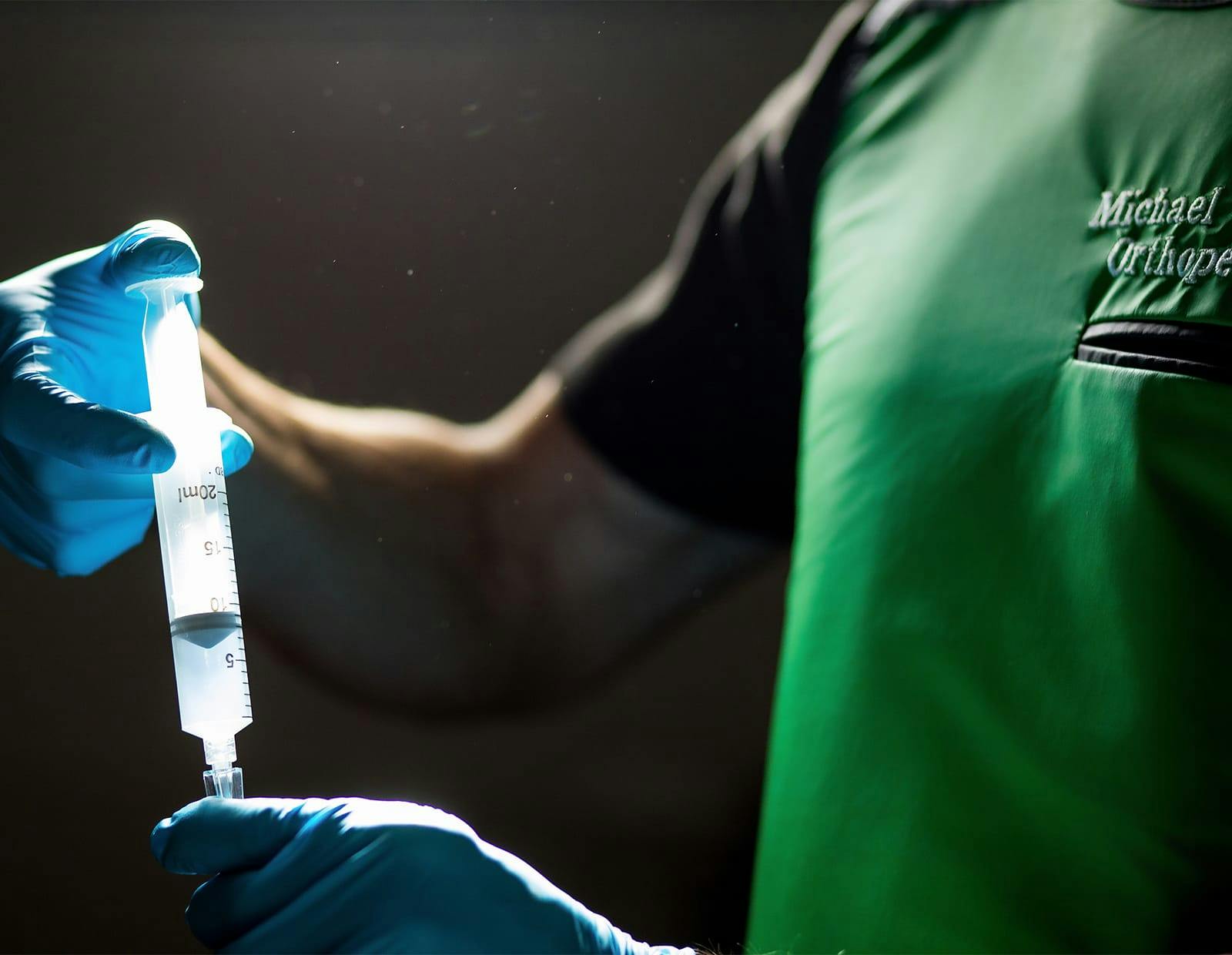
Medical professional wearing gloves preparing a syringe

Conditions Treated With Exosome Therapy

Exosome therapy is used to promote healing and reduce pain across a range of spinal and musculoskeletal conditions, including:

  • Degenerative disc disease of the cervical or lumbar spine
  • Herniated or bulging discs
  • Spinal arthritis and facet joint degeneration
  • Sacroiliac joint dysfunction
  • Osteoarthritis of the spine, hip, knee, or shoulder
  • Chronic tendinopathy and soft tissue injuries
  • Ligament injuries and cartilage damage
  • Sports-related musculoskeletal conditions

It is particularly relevant for patients seeking a non-surgical regenerative option or those who have not achieved adequate or lasting results from PRP or conventional injection therapies.


Are You a Candidate for Exosome Therapy in Queens?

Exosome therapy may be appropriate for adults with confirmed musculoskeletal or spinal conditions who are seeking a non-surgical regenerative approach and have not achieved satisfactory results from conventional treatments, including physical therapy, standard injections, or other biologics.

It is generally not appropriate for patients with active infections, certain autoimmune disorders, active cancer, or those who are on immunosuppressive medications. As with all regenerative treatments, a thorough medical history review is an essential part of determining candidacy.

Because exosome therapy is an emerging field, patient selection and realistic expectation-setting are especially important. Our Queens team will take the time to walk through the current evidence, what exosome therapy can and cannot be expected to achieve, and whether it fits appropriately within your broader treatment plan.

We’re here to help you move forward.

Contact Us

What to Expect From Exosome Therapy in Queens

Exosome therapy is a minimally invasive outpatient procedure with minimal downtime and a straightforward recovery.

Before Your Exosome Therapy

Your consultation will include a detailed review of your condition, imaging, and prior treatments. Our team will explain the procedure clearly, set realistic expectations about the timeline for improvement, and address all questions before any decision is made. Any relevant pre-procedure instructions regarding medications will be discussed at this time.

The Day of Your Surgery

The procedure involves the injection of prepared exosomes directly into the target area under imaging guidance. It is minimally invasive, does not require general anesthesia, and is typically completed in under an hour.

Most patients experience only mild discomfort during the injection itself. Unlike procedures requiring bone marrow harvest, there is no additional collection step involved in exosome therapy, making the appointment straightforward and efficient.

Recovering After Your Procedure

Most patients return to light activities shortly after the procedure. Some temporary soreness at the injection site is normal. As with other regenerative therapies, improvement is gradual and reflects the biological nature of the healing process.

Many patients begin to notice meaningful benefit within four to eight weeks, with continued progress over the months that follow. Our team will monitor your response and discuss whether additional treatments or complementary therapies are warranted as part of your ongoing care plan.

Background media
Doctor media

Why Choose Gerling Spine Care and Research Institute?

Staying at the frontier of spine and musculoskeletal care is not incidental to what we do at Gerling Spine Care and Research Institute — it is central to our mission. Our institute's active involvement in research, including engagement with regenerative and biologic therapies, means that Queens patients are not receiving trend-driven treatments but evidence-informed ones.

With over 300 peer-reviewed publications across the institute, leadership in NASS, CSRS, and LSRS, and a clinical culture built around advancing the standard of care, we are one of the few practices equipped to offer exosome therapy within a genuinely rigorous clinical framework.

Exosome Therapy Frequently Asked Questions

How are exosomes different from stem cells?

Stem cell therapy involves introducing living cells into the body with the goal of generating new tissue. Exosome therapy delivers acellular vesicles, meaning particles that carry biological signals but contain no living cells. This distinction reduces certain risks associated with cell-based therapies and makes exosomes easier to standardize and store, while still delivering many of the regenerative signals that stem cells produce.

Is exosome therapy FDA approved?

Exosome therapy occupies an evolving regulatory space. The FDA currently permits exosome treatments under specific guidelines, and reputable providers adhere strictly to FDA-compliant sourcing and processing standards. Our team will be transparent about the current regulatory status and what it means for your care during your consultation.

How does exosome therapy compare to PRP?

PRP concentrates growth factors from the patient's own blood. Exosomes deliver a broader and more complex set of biological signals, including regulatory RNA and proteins, that direct cellular behavior at a deeper level. For some conditions and patients, exosomes may offer a more potent regenerative stimulus, and the two therapies can also be combined for enhanced effect.

How many exosome treatments will I need?

Many patients begin with a single treatment and are monitored over several months before determining whether additional sessions are warranted. The number of treatments depends on the condition, its severity, and the individual's biological response. Our team will guide you through this process based on your progress and goals.

Is exosome therapy covered by insurance?

Exosome therapy is currently not covered by insurance and is considered an investigational regenerative treatment. Our Queens team will provide full transparency about costs during your consultation so you can make a well-informed decision.

We're here to help you move forward.

Relief starts with quality orthopedic care. Contact us today to take the next step toward a more active, pain-free life.

Schedule Appointment (opens in a new tab)
Contact us media
Accessibility: If you are vision-impaired or have some other impairment covered by the Americans with Disabilities Act or a similar law, and you wish to discuss potential accommodations related to using this website, please contact our Accessibility Manager at 201-201-7246.
Contact Us