When Spinal Joint Pain Is the Problem, Precision Is the Solution

Facet joint pain is one of the most common and most frequently overlooked sources of neck and back pain. When these small joints become inflamed or arthritic, the result can be persistent axial pain that limits movement and affects daily life. At Gerling Spine Care and Research Institute, facet joint injections are a key part of our conservative treatment approach, giving Queens patients a precise, minimally invasive path to relief.

Contact our Queens office today to find out whether Facet Joint Injections are the right next step for you.

What Are Facet Joint Injections?

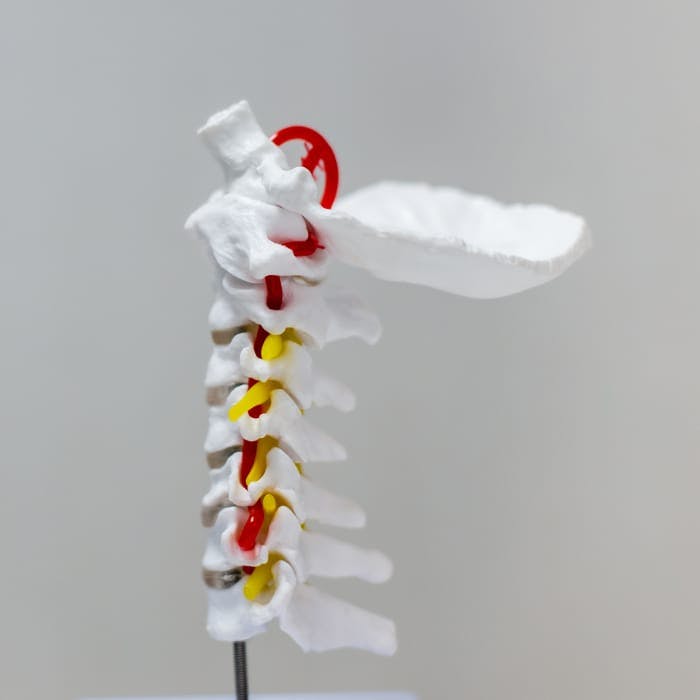
Facet joints are small paired joints located along the back of the spine between each vertebra. They provide stability and guide spinal movement, but like any joint in the body, they can become inflamed, arthritic, or injured over time.

A facet joint injection delivers a combination of local anesthetic and corticosteroid medication directly into the affected joint, reducing inflammation and relieving pain at its source. The procedure serves two purposes: therapeutic, providing meaningful pain relief, and diagnostic, helping confirm whether the facet joint is the primary source of a patient's symptoms.

spine

Where Can Facet Joint Injections Be Performed?

Facet joint pain can occur at any level of the spine, and injections can be performed in each region depending on where the problem originates.

Cervical Facet Joint Injections

Cervical facet joint injections target the joints in the neck and are used to treat axial neck pain, as well as pain that radiates into the shoulders or upper back. Cervical facet disease is estimated to be the source of pain in a significant proportion of patients with chronic neck pain.

Thoracic Facet Joint Injections

Thoracic facet injections address the mid-spine and are used less commonly, but can be effective for patients with upper or mid-back pain originating from the thoracic facet joints rather than the discs or nerves.

Lumbar Facet Joint Injections

Lumbar facet injections are among the most commonly performed spinal injections. They treat lower back pain caused by facet joint arthritis or injury, and are particularly appropriate for patients with axial pain that does not predominantly radiate down the legs.

Medical professional preparing syringe

Conditions Treated With Facet Joint Injections

Facet joint injections are used when the facet joints are identified as a significant source of spinal pain. Common conditions include:

  • Facet joint arthropathy or osteoarthritis
  • Facet joint syndrome
  • Degenerative spondylosis with facet involvement
  • Spinal stenosis with facet contribution to pain
  • Whiplash or injury-related facet joint inflammation
  • Mechanical neck or lower back pain with facet origin

They are typically recommended after first-line conservative treatments, including physical therapy and oral anti-inflammatory medications, have not provided adequate relief.


Are You a Candidate for Facet Joint Injections in Queens?

Good candidates for facet joint injections generally have moderate to severe spinal pain lasting three months or longer, with imaging showing facet joint changes that correlate with their symptoms.

The pain is typically axial in nature, meaning it is centered in the neck or back rather than radiating significantly into the arms or legs.

Facet injections may not be appropriate for patients whose pain is primarily nerve-compression related, whose imaging does not support facet involvement, or who have an active infection, bleeding disorder, or allergy to the medications used. Our Queens team will conduct a thorough evaluation before recommending any injection, and will always consider the full clinical picture rather than imaging findings alone.

We’re here to help you move forward.

Contact Us

What to Expect From Facet Joint Injections in Queens

Facet joint injections are outpatient procedures with minimal downtime. Most patients are in and out within an hour and return to light activities the following day.

Before Your Facet Joint Injection

Your consultation will include a review of your symptoms, imaging, and prior treatments. Our team will explain the procedure clearly, discuss what level of relief is realistic, and answer all questions before moving forward. Patients on blood thinners will receive specific instructions about pausing their medication before the procedure.

The Day of Your Surgery

The procedure is performed with fluoroscopic guidance to ensure precise needle placement. You will lie on your stomach while the injection site is cleaned and numbed with a local anesthetic. The needle is then guided into the target facet joint and the medication is delivered. The procedure typically takes less than 30 minutes. Some patients experience mild soreness at the injection site for one to two days afterward.

Recovering After Your Procedure

Most patients return to their normal activities the day after the injection. Pain relief from the anesthetic component may be felt immediately, while the corticosteroid generally takes several days to reach its full effect. Many patients experience relief lasting several weeks to several months.

If facet injections confirm the joint as the pain source but relief does not last, additional options such as medial branch block injections or radiofrequency ablation may be considered as a next step.

Background media
Doctor media

Why Choose Gerling Spine Care and Research Institute?

Gerling Spine Care and Research Institute approaches spine pain with the same precision and clinical rigor, whether the solution is surgical or not. Our lead surgeon has over 40 peer-reviewed publications, and the institute has more than 300 in total, with active leadership in NASS, CSRS, and LSRS.

Queens patients benefit from a team committed to accurate diagnosis, conservative-first care, and a treatment plan that is always tailored to the individual.

Facet Joint Injections Frequently Asked Questions

How is a facet joint injection different from an epidural injection?

An epidural injection delivers medication into the epidural space around the spinal cord and is primarily used for nerve-related pain that radiates into the arms or legs. A facet joint injection targets the joint itself and is used for axial pain originating from the facet joints, rather than from disc or nerve compression.

How do I know if my pain is coming from my facet joints?

Facet pain is typically felt as axial neck or back pain that worsens with extension, lateral bending, or rotation. It does not usually radiate significantly below the knee or elbow. A diagnostic facet injection, which uses local anesthetic only, is one of the most reliable ways to confirm the facet joint as the pain source.

How many injections will I need?

Some patients experience meaningful relief from a single injection. Others may benefit from a series of injections. Guidelines generally recommend no more than three injections per year at a given joint level, depending on the clinical situation and the patient's response.

What happens if the facet injection does not relieve my pain?

If an injection does not provide meaningful relief, it suggests the facet joint may not be the primary pain source, and further diagnostic workup may be needed. If temporary relief is achieved but does not last, radiofrequency ablation of the medial branch nerves supplying the joint may offer a longer-lasting solution.

Are facet joint injections covered by insurance?

Facet joint injections are typically covered by insurance but often require prior authorization. Our team will work with you to navigate the insurance process and ensure the necessary documentation is in place before your procedure.

We're here to help you move forward.

Relief starts with quality orthopedic care. Contact us today to take the next step toward a more active, pain-free life.

Schedule Appointment (opens in a new tab)
Contact us media
Accessibility: If you are vision-impaired or have some other impairment covered by the Americans with Disabilities Act or a similar law, and you wish to discuss potential accommodations related to using this website, please contact our Accessibility Manager at 201-201-7246.
Contact Us