When Your Lower Back Needs More Than Relief, It Needs Stability

Chronic lower back and leg pain caused by lumbar instability, degeneration, or deformity can be debilitating — and for many patients, conservative treatments only go so far. Posterior Lumbar Fusion addresses the root cause by stabilizing the affected spinal levels from the back, providing lasting structural support and meaningful relief. At Gerling Spine Care and Research Institute, our Queens patients receive this procedure from a team recognized for surgical precision and minimally invasive expertise.

Contact our Queens office today to find out whether Posterior Lumbar Fusion is the right solution for your condition.

What Is Posterior Lumbar Fusion?

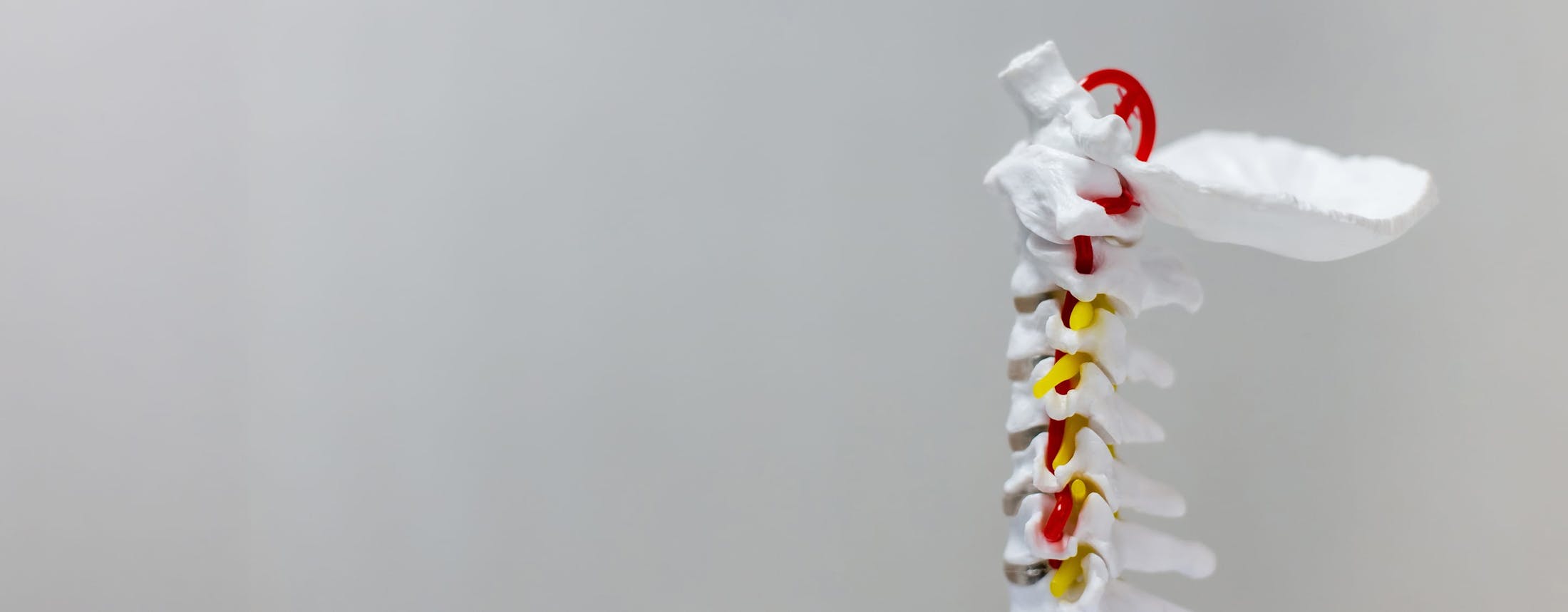
Posterior Lumbar Fusion is a surgical procedure that stabilizes the lumbar spine by joining two or more vertebrae together through an incision at the back of the body. Screws, rods, and bone grafts are used to hold the vertebrae in proper alignment while fusion occurs, eliminating painful motion at the affected levels.

How Posterior Lumbar Fusion Works

The surgeon accesses the spine through a midline incision in the back. Depending on the specific needs of the patient, decompression — such as a laminectomy or discectomy — is performed to relieve pressure on the spinal cord or nerve roots. Screws are placed into the vertebrae on both sides and connected by stabilizing rods. A bone graft is added to encourage the vertebrae to fuse into a single, solid unit over time.

In many cases, an interbody cage packed with bone graft is also placed in the disc space to restore height and provide additional structural support. This combined approach, sometimes referred to as PLIF (Posterior Lumbar Interbody Fusion) or TLIF (Transforaminal Lumbar Interbody Fusion), enhances both decompression and long-term fusion success.

The Role of Minimally Invasive Technique

Where anatomy and patient condition allow, our surgeons employ minimally invasive techniques that reduce muscle disruption, limit blood loss, and shorten recovery. Our commitment to operating room efficiency — reflected in some of the shortest hospital stays in the NYU system — means Queens patients spend less time under anesthesia and more time recovering at home.

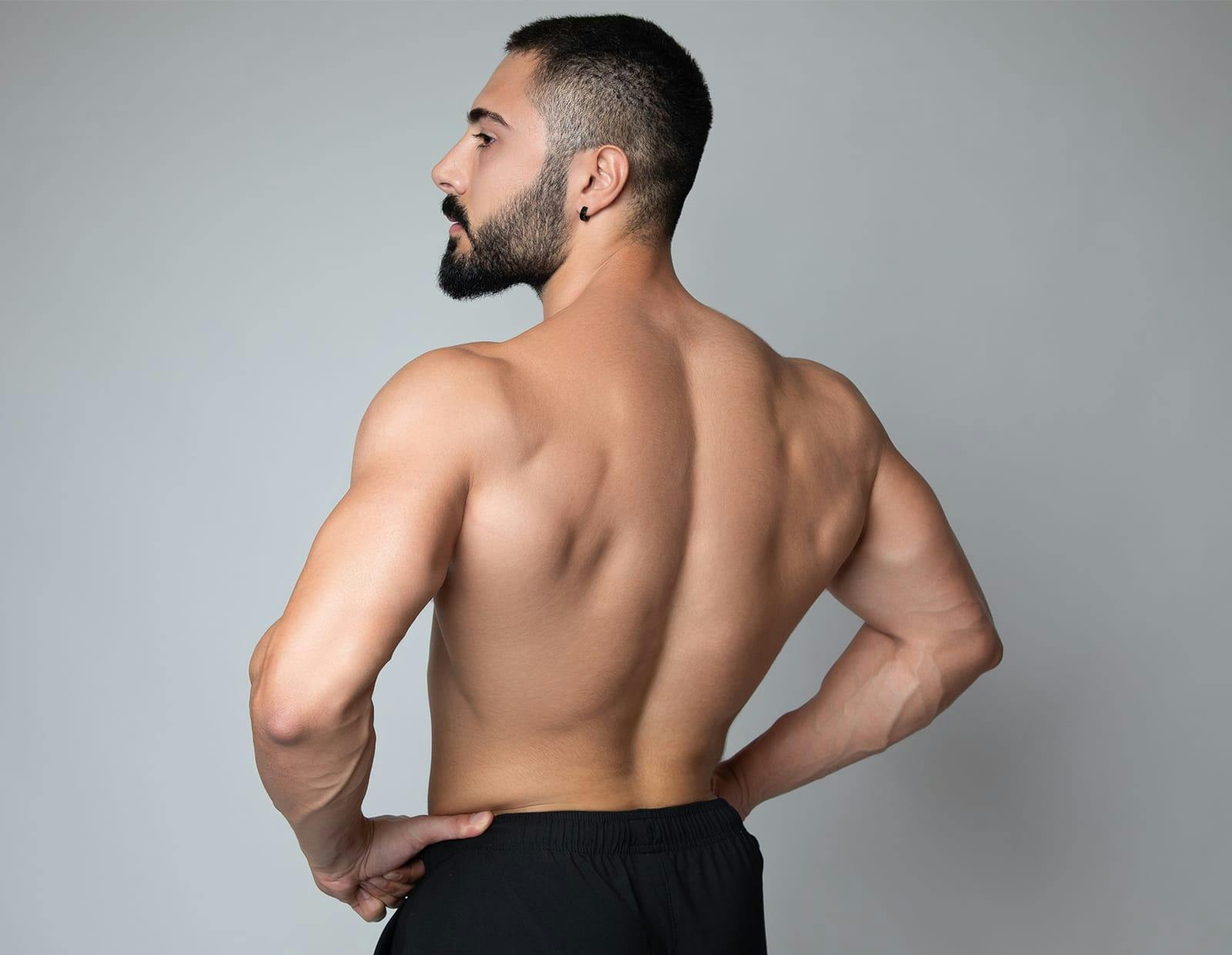
Man's back

Conditions Treated With Posterior Lumbar Fusion

Posterior Lumbar Fusion is a versatile procedure used to treat a broad range of lumbar spine conditions, including:

  • Lumbar spinal stenosis with instability
  • Degenerative disc disease of the lumbar spine
  • Spondylolisthesis (vertebral slippage)
  • Degenerative scoliosis or lumbar deformity
  • Lumbar fractures or trauma
  • Failed prior lumbar surgery requiring revision and stabilization
  • Lumbar instability causing chronic back and leg pain

It is typically recommended after conservative treatments — including physical therapy, medication, and injections — have not provided adequate relief.


Are You a Candidate for Posterior Lumbar Fusion in Queens?

Good candidates for Posterior Lumbar Fusion generally present with chronic, debilitating lower back or leg pain, neurological symptoms such as numbness or weakness, and spinal conditions that have not responded to non-surgical care.

Because it approaches the spine from the back, Posterior Lumbar Fusion is particularly well-suited for patients with posterior or multilevel pathology, or those who are not candidates for a lateral or anterior approach.

Overall health, spinal alignment, prior surgical history, and bone quality all factor into candidacy. Our Queens team will conduct a thorough evaluation, including imaging review and full medical history, before recommending any surgical approach.

We’re here to help you move forward.

Contact Us

What to Expect From Posterior Lumbar Fusion in Queens

From your first consultation to your final follow-up, our team is with you at every step, focused on the best possible outcome.

Before Your Posterior Lumbar Fusion

Your consultation will include a detailed review of your symptoms, imaging, and treatment history. Our surgeons take the time to explain the procedure clearly, walk through all available options, and answer every question before any decision is made.

The Day of Your Surgery

The procedure is performed under general anesthesia. The surgeon accesses the spine through the back, performs any necessary decompression, and places the instrumentation to stabilize the fused levels. Procedure length varies depending on the number of levels and whether interbody fusion is performed. Most patients remain in the hospital for one to three days following surgery.

Recovering After the Procedure

Most patients begin to notice improvement in symptoms within two to four weeks of surgery. Return to light daily activities typically occurs within a few weeks, while more physically demanding work may require several months. Physical therapy is an essential part of recovery, helping rebuild strength, stability, and mobility. Our team monitors your progress closely throughout the healing process.

Background media
Doctor media

Why Choose Gerling Spine Care and Research Institute?

Gerling Spine Care and Research Institute brings together the surgical precision, clinical depth, and compassionate patient care that complex lumbar conditions require. Our lead surgeon has over 40 peer-reviewed publications, and the institute has more than 300 in total, with active leadership in NASS, CSRS, and LSRS. We are committed to finding the least invasive, most effective solution for each patient and to restoring independence as quickly as possible.

Posterior Lumbar Fusion Frequently Asked Questions

What is the difference between posterior lumbar fusion and LLIF?

Posterior Lumbar Fusion approaches the spine from the back, while LLIF approaches from the side. Posterior fusion allows for direct decompression and is well-suited for a wider range of conditions and spinal levels, including L5-S1, which is not typically accessible via a lateral approach.

What is PLIF versus TLIF, and how do they relate to posterior lumbar fusion?

PLIF and TLIF are both forms of posterior lumbar interbody fusion that involve placing a cage in the disc space to support the fusion. PLIF accesses the disc space from both sides of the midline, while TLIF approaches from one side through the foramen. Both are frequently performed as part of a posterior lumbar fusion procedure.

Will I need a brace after surgery?

Some patients are advised to wear a soft lumbar support brace for a period following surgery, particularly during physical activity. Your surgeon will provide specific guidance based on the extent of your procedure and your recovery progress.

How long does it take to confirm the fusion is solid?

Bone fusion is a biological process that unfolds over months. While patients often feel meaningfully better well before fusion is complete, solid fusion as confirmed by imaging typically takes several months to up to a year or more, depending on the individual and the number of levels fused.

Can posterior lumbar fusion be revised if something goes wrong?

Yes, revision surgery is possible in cases where fusion does not occur as expected or where hardware complications arise. Our team has experience managing complex revision cases and will discuss all options with you thoroughly if a concern arises.

We're here to help you move forward.

Relief starts with quality orthopedic care. Contact us today to take the next step toward a more active, pain-free life.

Schedule Appointment (opens in a new tab)
Contact us media
Accessibility: If you are vision-impaired or have some other impairment covered by the Americans with Disabilities Act or a similar law, and you wish to discuss potential accommodations related to using this website, please contact our Accessibility Manager at 201-201-7246.
Contact Us