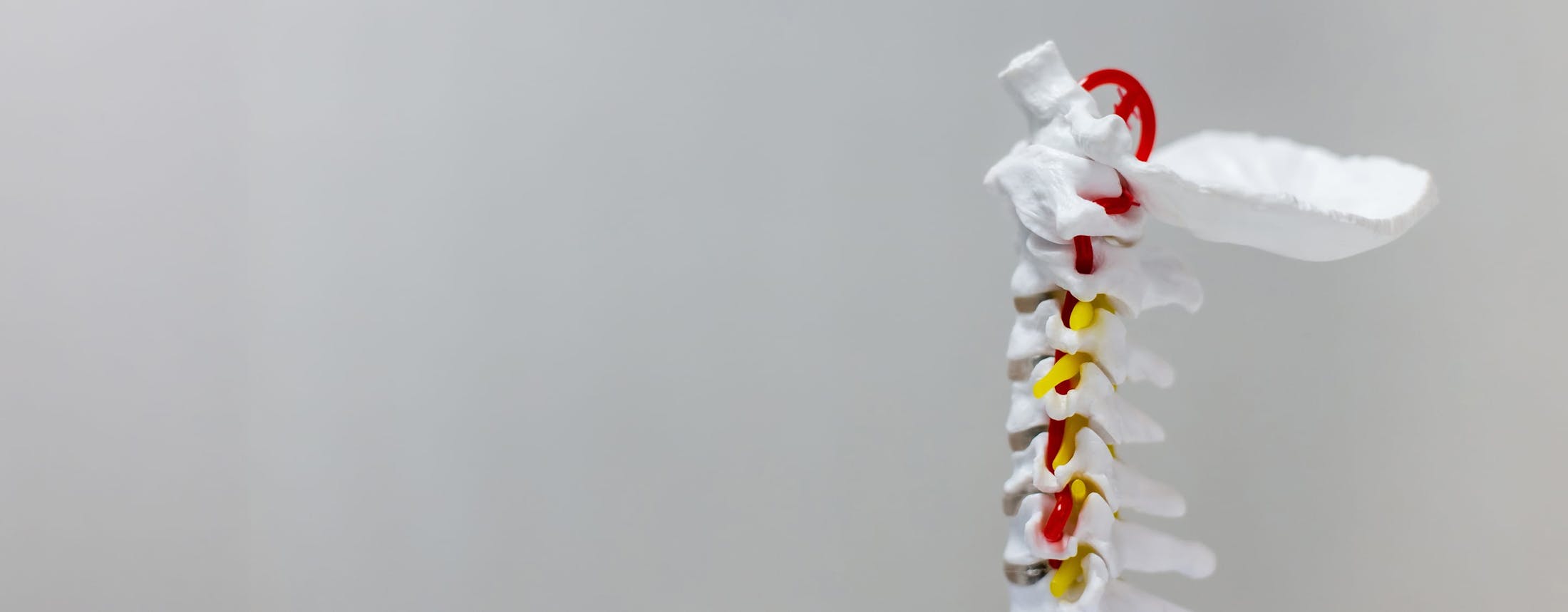
When Your Spine Is Closing In on Your Nerves, the Right Surgery Opens Everything Back Up

Spinal stenosis is one of the most common causes of chronic back and leg pain, particularly as we age. When the spinal canal narrows and compresses the spinal cord or nerve roots, the results—pain, numbness, weakness, difficulty walking—can be life-altering. At Gerling Spine Care and Research Institute, our Queens patients receive a thorough evaluation and access to the full spectrum of surgical decompression options, performed with the minimally invasive precision our team is known for.

Contact our Queens office today to find out whether Spinal Stenosis Surgery is the right next step for you.

What Is Spinal Stenosis?

Spinal stenosis is the narrowing of the spinal canal or the openings through which nerve roots exit the spine. This narrowing puts pressure on the spinal cord and nerves, causing a range of symptoms that vary depending on the location and severity of the compression.

Stenosis most commonly affects the lumbar spine (lower back) and the cervical spine (neck). Lumbar stenosis often causes pain, cramping, or weakness in the legs that worsens with walking or standing. Cervical stenosis can cause pain, numbness, or weakness in the arms and hands, and in more severe cases may affect balance, coordination, and bladder function.

The condition is most often caused by age-related degenerative changes, including thickening of spinal ligaments, bone spur formation, disc degeneration, and facet joint arthritis. It may also result from spondylolisthesis, herniated discs, or congenital factors.
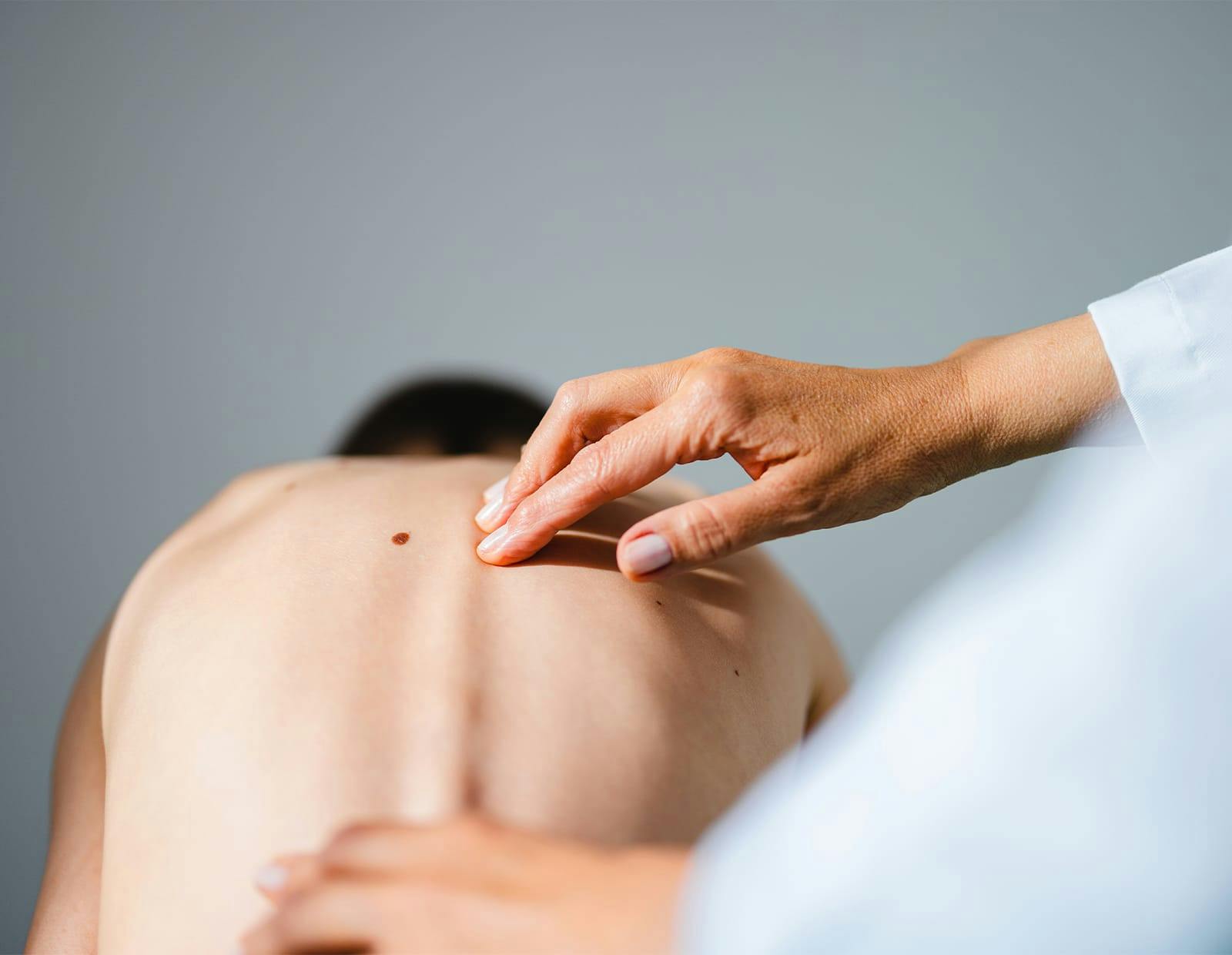

Medical professional examining patient’s upper spine with hands

When Is Surgery Needed for Spinal Stenosis?

Surgery is not the first line of treatment for spinal stenosis. Most patients are managed initially with conservative care, including physical therapy, anti-inflammatory medications, activity modification, and epidural steroid injections.

Surgical intervention is typically considered when conservative treatments have failed to provide adequate relief after a sustained trial, when symptoms are severe or significantly limiting daily function, or when neurological deficits — such as progressive weakness or loss of bladder or bowel control — are present or worsening.

At Gerling Spine Care and Research Institute, we approach the decision to operate thoughtfully and conservatively, always weighing the potential benefits of surgery against the individual patient's overall health and goals.

Surgical Options for Spinal Stenosis

Several surgical approaches can effectively treat spinal stenosis, and the right choice depends on the location, severity, and cause of the narrowing. Our Queens team is experienced in all of the following procedures.

Laminectomy

Laminectomy is the most commonly performed surgery for spinal stenosis. It involves removing part or all of the lamina — the bony arch at the back of the vertebra — to create more space in the spinal canal and relieve pressure on the spinal cord or nerve roots. It can be performed at one or multiple levels.

Laminoplasty

Used primarily for cervical stenosis, laminoplasty reshapes and hinges the lamina open rather than removing it, expanding the spinal canal while preserving the bone and maintaining spinal stability. This is a motion-preserving alternative to a laminectomy for appropriate cervical cases.

Foraminotomy

When stenosis is caused by narrowing of the foramen — the openings through which nerve roots exit the spine — a foraminotomy widens those openings to relieve nerve root compression. It is often performed alongside a laminectomy.

Spinal Fusion

When stenosis is accompanied by spinal instability or spondylolisthesis, decompression alone may not be sufficient. In these cases, fusion is performed alongside decompression to stabilize the affected levels and prevent further slippage or painful motion.

Minimally Invasive and Endoscopic Approaches

Where anatomy permits, our surgeons favor minimally invasive and endoscopic techniques that achieve the same decompressive goals through significantly smaller incisions, with less muscle disruption, reduced blood loss, and faster recovery.

Background media

We’re here to help you move forward.

Contact Us

Are You a Candidate for Spinal Stenosis Surgery in Queens?

Candidates for spinal stenosis surgery generally have imaging-confirmed narrowing of the spinal canal, symptoms that significantly affect their quality of life, and have not achieved adequate relief from conservative care.

Factors such as overall health, bone quality, degree of instability, number of affected levels, and prior surgical history all influence the choice of procedure and the likelihood of a successful outcome.

Certain health conditions — including poorly controlled diabetes or significant cardiovascular disease — may affect surgical risk and will be carefully evaluated during your consultation.

Our Queens team will conduct a comprehensive evaluation before making any surgical recommendation.

Banner media

What to Expect From Spinal Stenosis Surgery in Queens

Every patient's care plan is individualized, but here is what the general process looks like for most of our Queens patients.

Before Your Spinal Stenosis Surgery

Your consultation will include a detailed review of your symptoms, imaging, and treatment history. Our surgeons explain all appropriate surgical options clearly, discuss the risks and expected benefits, and ensure you feel fully informed before any decision is made.

The Day of Your Surgery

Procedure length and approach vary depending on the type and extent of surgery being performed. Decompression-only procedures are often shorter and may allow for same-day discharge.

Cases involving fusion or multiple levels typically require a one-to-three-day hospital stay. Our operating room efficiency and minimally invasive approach are designed to minimize your time under anesthesia and get you on your feet as quickly as possible.

Recovering After Your Procedure

Most patients are encouraged to begin walking within 24 hours of surgery. Return to light activities typically occurs within a few weeks, with full recovery taking two to three months for most patients, longer for more complex cases.

Physical therapy is an important part of the recovery process, helping restore strength, stability, and walking function. Our team provides a detailed post-operative plan and monitors your progress throughout.

Doctor media

Why Choose Gerling Spine Care and Research Institute?

Gerling Spine Care and Research Institute offers Queens patients a team with the breadth of expertise to match every case of spinal stenosis with the right surgical approach. Our lead surgeon has over 40 peer-reviewed publications, and the institute has more than 300 in total, with leadership in NASS, CSRS, and LSRS. We are committed to the least invasive, most effective solution for every patient, and to restoring independence and mobility as quickly as possible.

Spinal Stenosis Surgery Frequently Asked Questions

Can spinal stenosis come back after surgery?

Decompression surgery addresses the specific area of narrowing treated, but cannot prevent future degeneration at other levels. In some cases, scar tissue or continued degeneration at the treated level may cause symptoms to recur over time. Our team will discuss realistic long-term expectations during your consultation.

Is spinal stenosis surgery safe for older patients?

Age alone is not a disqualifier for spinal stenosis surgery. Research supports good outcomes in well-selected older patients. What matters most is overall health, functional status, and whether the expected benefits outweigh the surgical risks for that individual.

What is the difference between decompression and fusion for spinal stenosis?

Decompression removes the tissue causing the nerve compression. Fusion stabilizes the spine by permanently joining vertebrae. Not all stenosis patients need fusion — it is added when instability or spondylolisthesis is present alongside the narrowing.

How long do the results of spinal stenosis surgery last?

Most patients experience lasting relief from their primary symptoms. Long-term outcomes depend on the extent of the stenosis treated, the patient's overall spine health, and adherence to post-operative care and physical therapy. Our team will discuss realistic expectations based on your specific case.

Will I need physical therapy after spinal stenosis surgery?

Yes, physical therapy is a standard and important part of recovery from spinal stenosis surgery. It helps restore strength and mobility, supports proper healing, and reduces the risk of recurrence by improving the muscular support around the spine.

We're here to help you move forward.

Relief starts with quality orthopedic care. Contact us today to take the next step toward a more active, pain-free life.

Schedule Appointment (opens in a new tab)
Contact us media
Accessibility: If you are vision-impaired or have some other impairment covered by the Americans with Disabilities Act or a similar law, and you wish to discuss potential accommodations related to using this website, please contact our Accessibility Manager at 201-201-7246.
Contact Us